







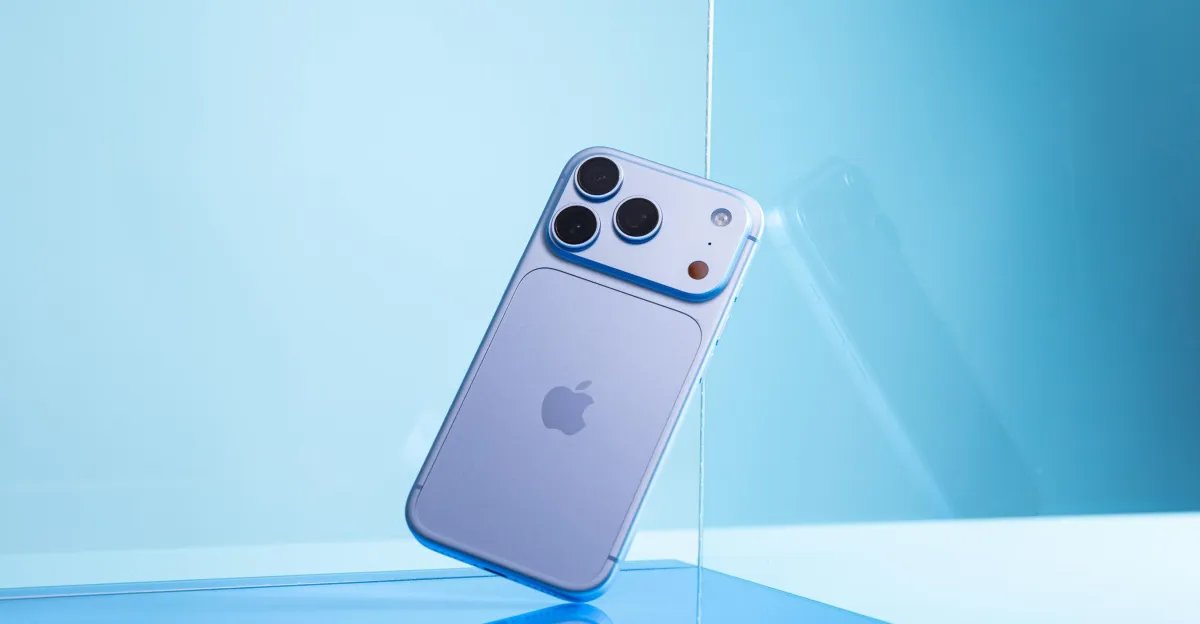
The smartphone landscape has reached a point of saturation where annual hardware updates are often predictable, iterative, and minor. Apple’s latest release, the iPhone 18 Pro, fits firmly into this category. While the foldable iPhone Duo has captured the public imagination as a bold design departure, the 18 Pro remains a study in refinement. It is a device that maintains the familiar form factor of its predecessor, the iPhone 17 Pro, even sharing case compatibility. For the average user, the 18 Pro offers few surprises, though it introduces a significant, albeit subtle, evolution in camera hardware.
A Technical Shift in Aperture Control
The standout hardware addition to the iPhone 18 Pro is a moving, variable aperture system integrated into the main camera. Most contemporary smartphone cameras rely on fixed apertures due to the constraints of compact lens and sensor housings. Apple has opted to break this convention, providing the ability to switch between f/1.48, f/1.8, f/2.8, and f/4.
This adjustment serves two distinct purposes. In low-light environments, the wider f/1.48 aperture allows more light to reach the sensor, potentially reducing image noise and allowing for faster shutter speeds. Conversely, the ability to stop down to f/4 is useful for controlling depth of field. While these changes offer measurable improvements, the practical impact is nuanced. Because smartphone sensors are physically small, even the widest setting of f/1.48 maintains a deep focus compared to dedicated camera systems. The aperture shift is a technical achievement that provides greater flexibility for photographers, but it remains a subtle tool rather than a transformative one for day-to-day snapshots.
Manual Controls and Image Processing
For years, power users have requested more granular control over the photographic process within Apple’s native camera app. The 18 Pro finally addresses this with the introduction of pro-level adjustments. Users can now manually configure shutter speed, white balance, and focus, alongside the new aperture controls.
One notable consequence of these manual settings is the shift in how the iPhone processes images. Engaging a manual shutter speed overrides the default multi-frame HDR processing, resulting in a single-frame capture. While this reduces the camera’s ability to manage extreme dynamic range, it produces a less-processed aesthetic that many enthusiasts prefer. This inclusion represents a shift toward transparency and manual utility, acknowledging that while computational photography remains the primary driver of quality, there is a growing demand for a more traditional shooting experience.
The Quest for Authentication: Reference Image
As AI-generated media becomes increasingly prevalent, verifying the authenticity of digital photographs has become a priority. The iPhone 18 Pro introduces a feature called Reference Image to address this. By using a new main camera sensor, the 18 Pro can attach encrypted, tamper-evident metadata to files.
Users can activate this feature via the settings menu and capture images that function similarly to a traditional “digital negative.” When these files are processed through Apple’s secure cloud compute systems, they provide an verifiable account of the image as it was captured, free from unauthorized modifications. Although the system is currently in its early stages and requires specific settings to function, it establishes a robust framework for content provenance that will likely evolve as the software ecosystem catches up.
Performance and Thermal Management
Under the hood, the 18 Pro is powered by the A20 Pro chip, paired with an updated vapor chamber designed to improve thermal efficiency. During initial setup and heavy processing tasks, the device is capable of sustaining peak performance for longer durations than the previous generation.
Battery life remains competitive, with the Pro model providing up to 36 hours of video playback and the Pro Max reaching up to 45 hours. The 18 Pro also marks the debut of Apple’s in-house C2 cellular modem. Integration of the new modem and the N1 networking chip appears seamless, offering efficient transitions between Wi-Fi and cellular networks. While long-term battery degradation will only be determined with time, initial testing indicates the 18 Pro is well-equipped to handle high-intensity workflows.
Balancing Innovation and Utility
Apple has also refined the aesthetic and functional aspects of the display, most notably by shrinking the Dynamic Island. The Face ID sensors are now hidden behind a specialized pixel pattern, allowing the screen to occupy more space when the island is not in use.
Ultimately, the iPhone 18 Pro is a testament to the challenge of iterating on a mature product. The new aperture system and manual camera controls represent a genuine attempt to bridge the gap between a smartphone and a dedicated camera, even if the device remains fundamentally a communications tool. By introducing accessories like a dedicated wrist strap and focusing on professional-grade controls, Apple is catering to those who want a more tactile, intentional photography experience. The 18 Pro does not reinvent the smartphone, but it successfully elevates the Pro lineup by offering more agency to the user, ensuring the device remains a top-tier tool for both casual users and enthusiasts alike.
Disclaimer: This content is auto-generated for informational purposes only.
Source: Read Original News