








The serene waters of Lake Pamvotida, a landmark feature of the northwestern Greek city of Ioannina, have long served as a mirror for the region’s natural beauty. However, recent cleanup operations have revealed that the lakebed acts as a repository for far more than just silt and aquatic life. In a stark reminder of the area’s tumultuous history, recovery teams have pulled an assortment of Second World War-era munitions and military equipment from the lake’s depths.
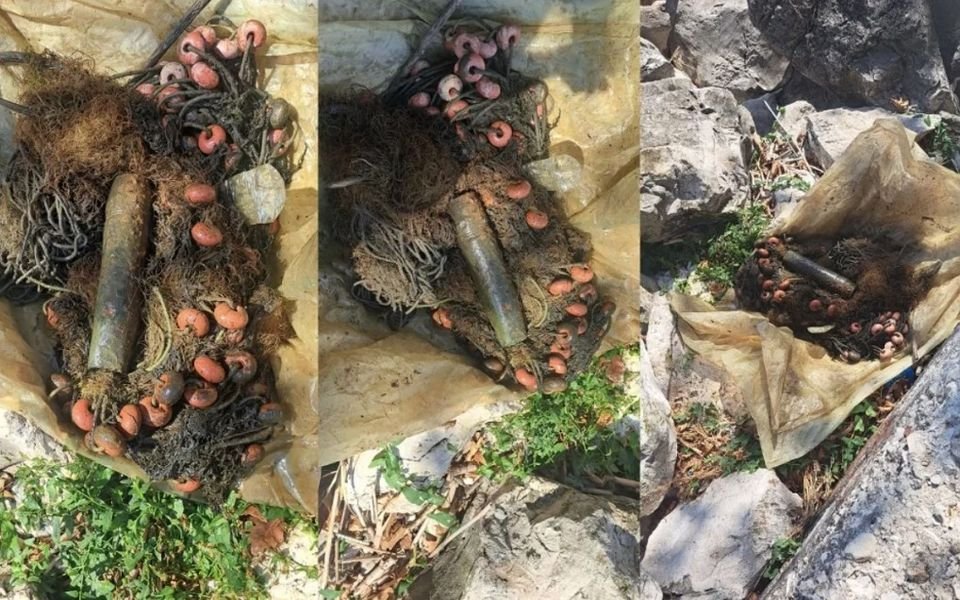
The latest discovery included a live artillery shell, a British automatic rifle, and four military helmets. The items were retrieved by divers during a routine environmental cleanup aimed at improving the health and safety of the lake ecosystem. The artillery shell, which was ensnared in discarded fishing nets, posed an immediate threat to the public, prompting an urgent response from local authorities.
Upon the discovery, the dive team contacted local law enforcement and military officials. A specialized army ordnance disposal unit was dispatched to the site to secure the area. The artillery shell was subsequently removed from the lake in a controlled procedure and transported to a secure location for destruction, neutralizing the danger it posed to the local community and the lake’s fragile habitat.
Among the historical artifacts recovered alongside the weapon were four helmets, three of German origin and one identified as Greek. These remnants offer a somber insight into the heavy fighting that gripped the Epirus region during the 1940s. While these items hold historical significance, their presence in the water highlights the long-lasting environmental and safety challenges posed by “legacy pollution”—the hazardous materials left behind by conflict that remain dormant in soil and water for decades.
Lake Pamvotida has become a focal point for environmental reclamation efforts, but the findings have consistently been a source of surprise for local authorities. Past sweeps of the lake have uncovered a bizarre and problematic collection of debris that reflects decades of urban neglect. Previous operations have recovered everything from household fixtures, such as kitchen sinks and toilet cisterns, to larger industrial and transit hazards including lampposts, motorcycles, and even sunken boats.
The frequent discovery of World War II-era mines and munitions during these cleanup campaigns underscores the necessity of caution when engaging in dredging or restoration projects in regions with a history of wartime occupation. These items, often buried under layers of sediment, can remain volatile, posing a recurring risk to both divers and the public who utilize the lake for recreation.
Environmental advocates and local officials continue to emphasize the importance of these cleanup operations, not only for the removal of dangerous ordnance but for the broader restoration of Lake Pamvotida. As the water is cleared of both modern refuse and the ghosts of the Second World War, the project serves as a crucial step in revitalizing the local environment. While the discovery of an artillery shell in a fishing net is a stark reminder of the hazards involved, the commitment to clearing these man-made threats remains a priority for the preservation of the lake’s future.
Disclaimer: This content is auto-generated for informational purposes only.
Source: Read Original News