




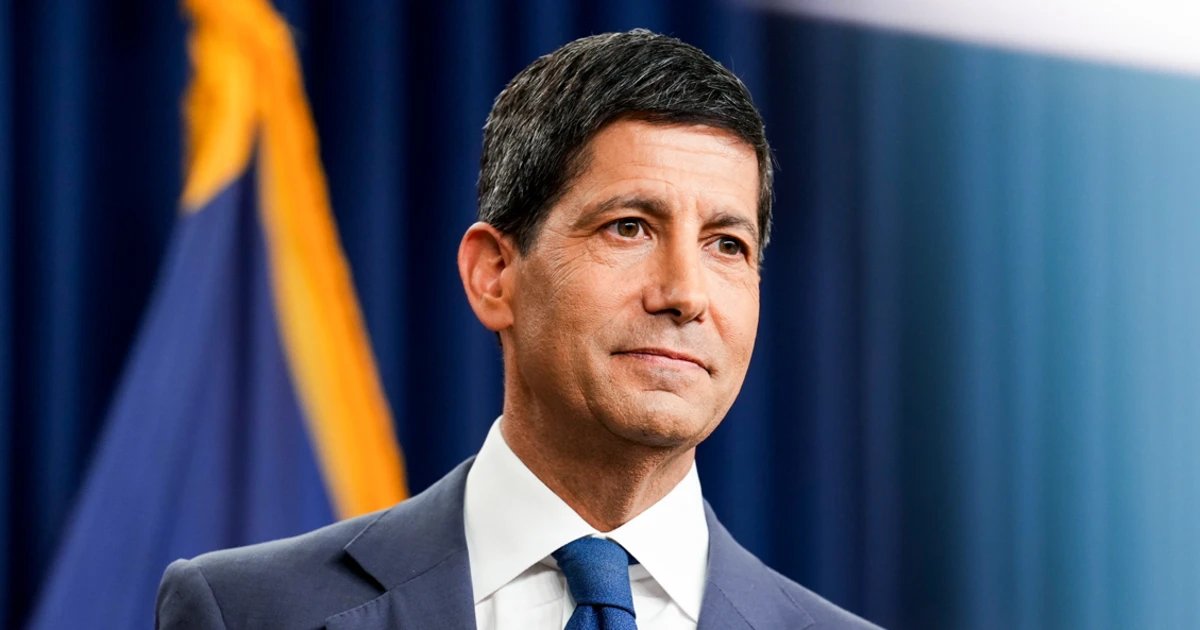
WASHINGTON — The Federal Reserve broke its long-standing pause on interest rates Wednesday, implementing a 0.25% hike as the central bank moves to combat a resurgence in inflation. The decision marks the first rate increase since 2023, shifting the flagship federal funds rate to a target range of 3.75% to 4.00%.
The move, which was supported unanimously by the Federal Open Market Committee (FOMC), reflects a growing concern among policymakers that the nation’s economic stability is under threat. In a statement released following the meeting, the Fed acknowledged that the path ahead remains treacherous. “Uncertainty remains elevated owing, in part, to geopolitical developments,” the committee noted, adding that the action was necessary to ensure a “timelier return to the Committee’s 2 percent goal.”
Economic projections released alongside the decision suggest that Wednesday’s hike may be only the beginning of a sustained tightening cycle. Historically, central banks rarely implement a single rate increase in isolation; true to form, all but two members of the FOMC have already signaled that at least one additional hike is likely before the end of the year.
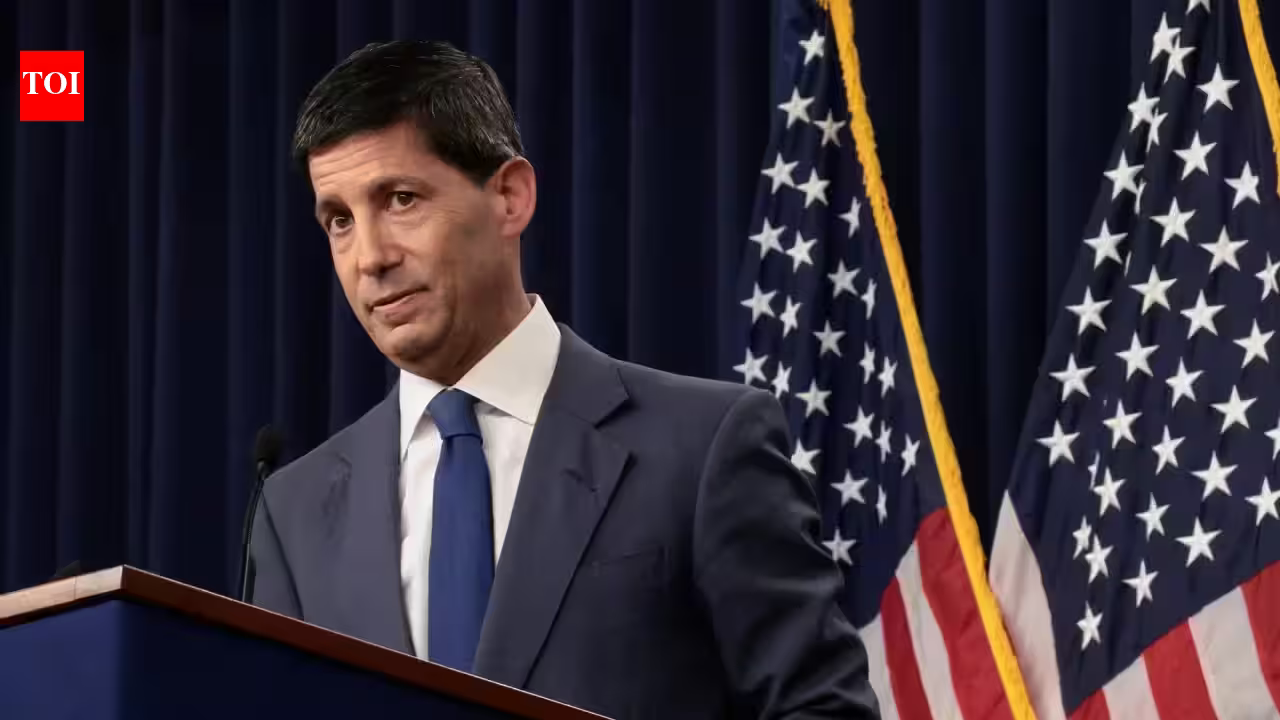
This pivot marks a dramatic shift in the political and economic landscape, particularly for Federal Reserve Chair Kevin Warsh. Less than four months into his tenure, Warsh is now presiding over a tightening monetary policy that defies the vocal demands of President Donald Trump. Throughout his administration, Trump has consistently pushed for lower interest rates, even telling NBC News in February that he would only appoint a Fed Chair willing to pursue a stimulative policy.
However, the geopolitical reality of a conflict with Iran, initiated by the United States and Israel on Feb. 28, has fundamentally reshaped the Fed’s priorities. The ensuing regional instability has fueled a global energy crisis, with oil prices surging more than 75% so far this year. Domestic impacts have been immediate and painful, with gasoline prices skyrocketing over 45% since the onset of the conflict.
These price spikes have trickled through the broader economy, pushing the August inflation rate to 3.4%. Alarmingly, this cost-of-living increase has outpaced U.S. wage growth, which currently sits at 3.1%. For the average American, this gap represents a real-term decline in purchasing power, a trend the Federal Reserve is now desperate to reverse.
By raising the cost of borrowing, the Fed aims to dampen aggregate demand, hoping to cool the economy enough to stifle inflation despite the supply-side pressures exerted by the ongoing war. While the administration may be at odds with the central bank’s decision, the consensus among policymakers is clear: in an era of soaring energy costs and volatile markets, maintaining price stability has become the Fed’s singular, unavoidable imperative.
Disclaimer: This content is auto-generated for informational purposes only.
Source: Read Original News