




A Quarter Century of Governance: Tracing Narendra Modi’s Political Evolution
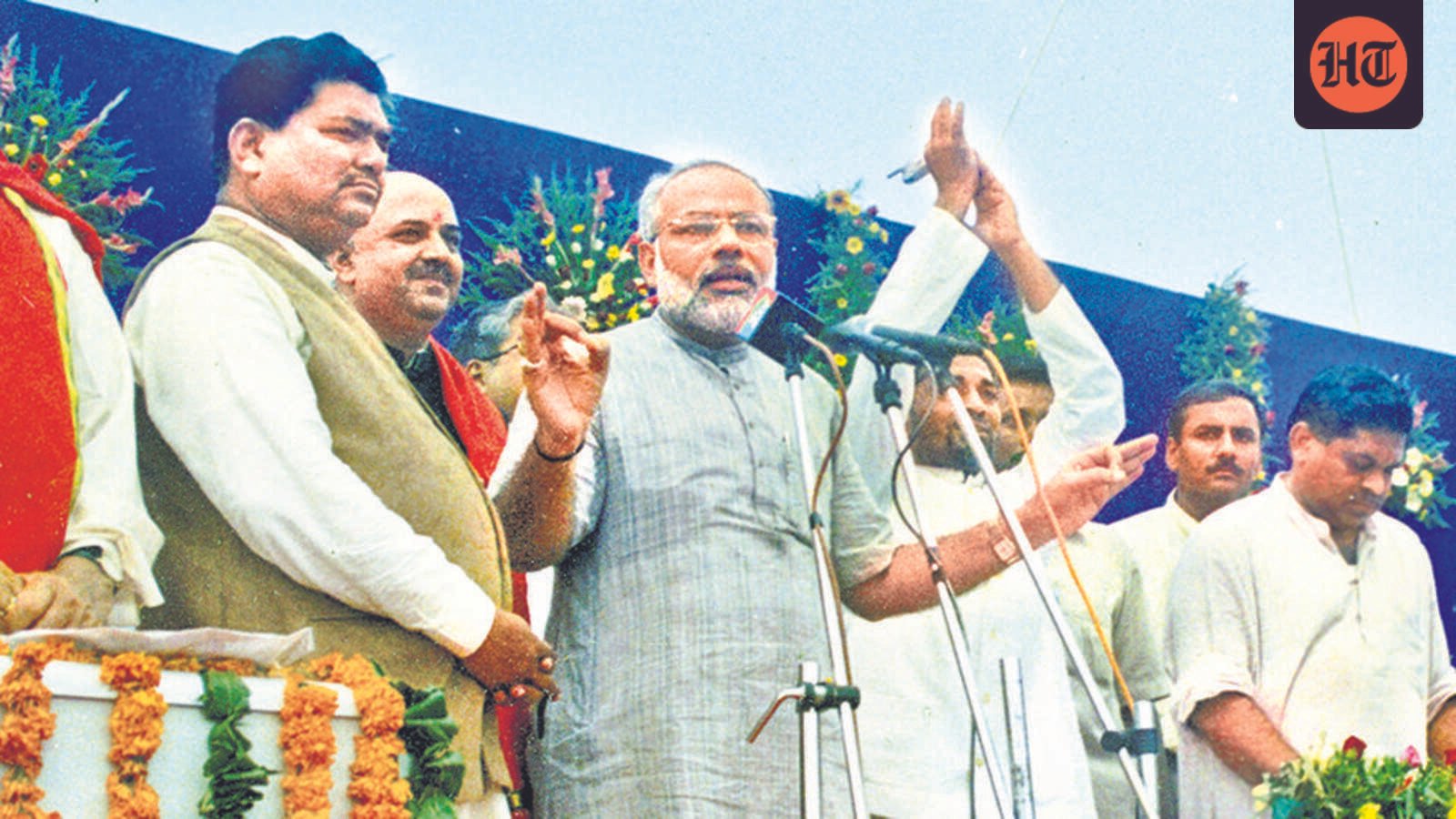
On October 7, 2001, a 51-year-old Narendra Modi stood in Gandhinagar to take the oath as the 14th Chief Minister of Gujarat. He had been thrust into the role at a moment of profound national grief, following the catastrophic earthquake that had shattered the Kutch region earlier that year. What began as an urgent administrative intervention would eventually evolve into a transformative 25-year career in public service that reshaped India’s political landscape.
From Crisis Management to Administrative Template
Modi entered the Chief Minister’s office with a reputation forged in the organizational trenches of the Bharatiya Janata Party (BJP). Yet, he inherited a state paralyzed by the aftermath of the quake, entrenched drought, and widespread administrative disillusionment. Faced with these daunting realities, he implemented a governance model that prioritized strict accountability, firm deadlines, and the decisive execution of complex projects.
This era served as a proving ground for his “Gujarat Model,” which emphasized industrial growth, infrastructure modernization, and an unwavering commitment to antyodaya—the ideological principle of uplifting the most marginalized citizen. His focus on outcomes and his willingness to make difficult, pragmatic choices laid the groundwork for his eventual shift to national leadership in 2014.
Scaling the Vision: The Prime Ministerial Years
The transition from a state-level leader to the head of the Union government saw Modi scale up his early administrative lessons to a national level. Colleagues often point to his ability to blend traditional ideological goals—such as the construction of the Ram Temple in Ayodhya and the reorganization of Jammu and Kashmir—with a modern developmental agenda.
His tenure has been marked by a constant drive for reinvention. From global diplomacy, where he has sought to elevate India’s voice on the world stage, to domestic initiatives focused on technology and climate change, Modi has maintained a focus on future-ready governance. Party leaders frequently highlight his curiosity and his unconventional approach to communication as key factors in his enduring popularity across diverse demographics, including the younger generation.
Navigating Modern Challenges
As he marks 25 years in public service, Modi finds himself navigating a complex political environment. His third term at the Centre has presented new hurdles, characterized by a more competitive parliamentary dynamic that necessitates collaboration with coalition partners. Additionally, the government faces contemporary pressures, ranging from regional employment concerns to the complexities of a volatile global geopolitical landscape marked by ongoing international conflicts and shifting trade policies.
Despite these challenges, the Prime Minister remains a central figure in Indian politics. His recent electoral successes in states like West Bengal demonstrate his continued influence as a primary vote-puller for the BJP. As the country looks toward the 2029 Lok Sabha elections, the BJP continues to position Modi as the pivot of its national strategy.
Reflecting on his journey, the Prime Minister has often credited his formative years and his mother’s early advice to prioritize the poor and maintain integrity as the guiding lights of his career. Whether addressing internal security or fostering ties with global powers, the consensus within his party remains clear: Narendra Modi’s political trajectory remains the defining force of modern Indian governance, evolving from the rebuilding of a quake-stricken state to the stewardship of a rising global power.
Disclaimer: This content is auto-generated for informational purposes only.
Source: Read Original News