








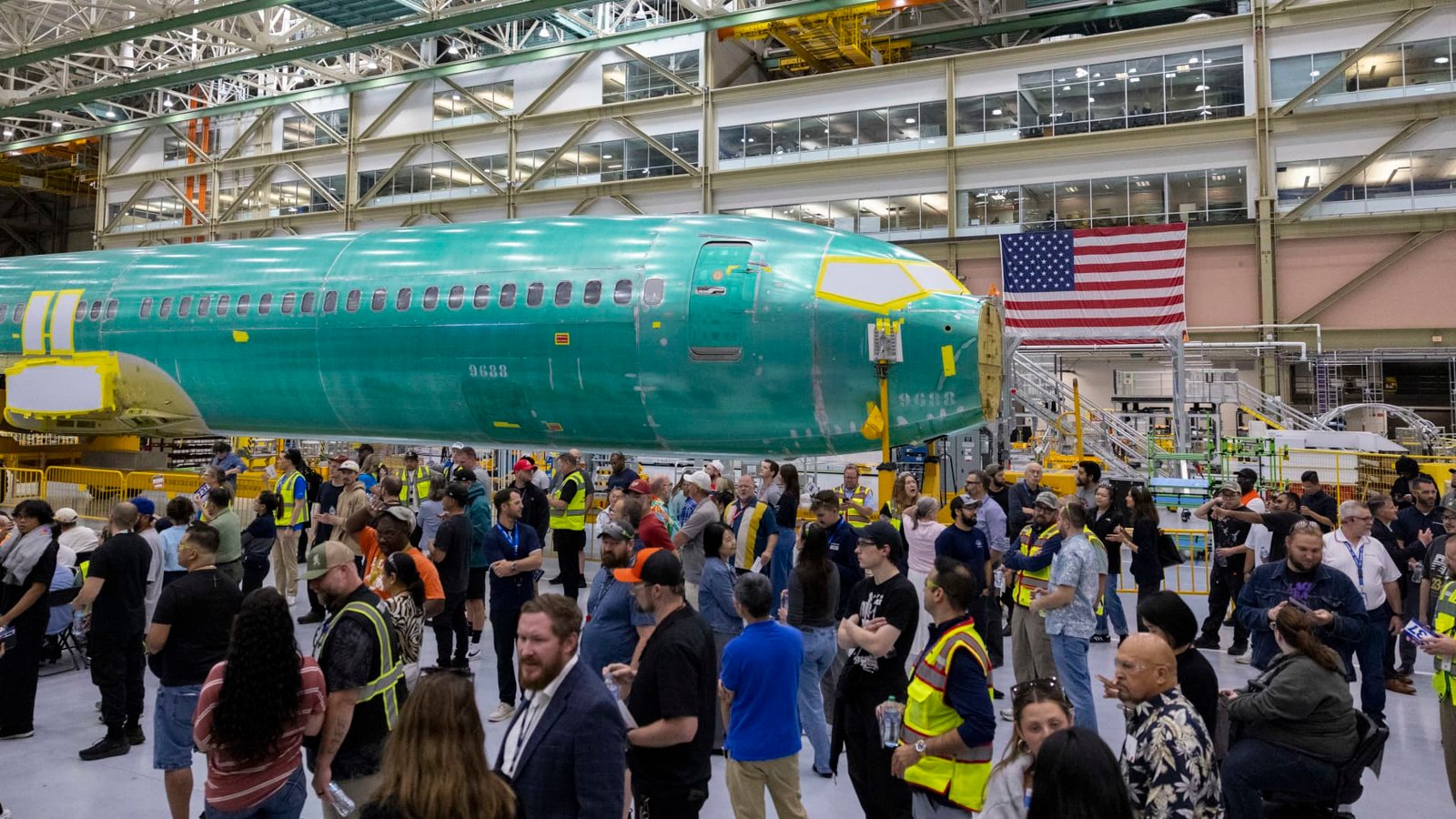
Boeing is navigating a complex recovery phase as the aerospace giant attempts to stabilize the production of its flagship 737 MAX aircraft. During a recent investor appearance at the Morgan Stanley industry conference, CEO Kelly Ortberg offered a candid assessment of the company’s current operational hurdles, noting that the manufacturing cadence is taking longer to normalize than previously anticipated.
While Boeing is currently maintaining a monthly output of approximately 47 aircraft, the path to sustained growth remains bumpy. Ortberg highlighted specific bottlenecks at the company’s Renton, Washington, facility, where wing production has emerged as a primary constraint. Despite these mechanical and logistical delays, the leadership team remains optimistic about the trajectory for 2026, promising a ramp-up in delivery volumes in the coming year as internal efficiencies improve.
Tech-Driven Manufacturing and the Search for Efficiency
In an era where the aviation industry is increasingly reliant on digital twins, predictive analytics, and automated assembly systems, Boeing is leaning into high-tech solutions to mitigate its manufacturing woes. The integration of advanced robotics and AI-driven quality control software is essential for the company to achieve the precision required for modern aircraft certification.
The push toward modernized factory floors is not just a quest for speed, but a response to intensified scrutiny from regulators and the public. By leveraging real-time data monitoring on the assembly line, Boeing aims to catch defects before they leave the factory floor. This digital transformation is expected to play a critical role in stabilizing output, as the company works to replace outdated, manual-heavy processes with a streamlined, tech-integrated workflow that mimics the rapid iteration cycles found in the broader software and hardware sectors.
The Race Toward Max 10 Certification
A major pillar of Boeing’s recovery strategy is the certification of the 737 MAX 10. As the largest variant in the 737 family, the model is vital for competing with Airbus’s long-range narrowbody offerings. Ortberg struck a confident tone during the investor session, stating that the company expects to secure certification “very soon.”
This milestone is widely viewed by industry analysts as the potential turning point for Boeing. Once certified, the MAX 10 will allow the company to diversify its delivery mix, providing airlines with the high-capacity, fuel-efficient narrowbody aircraft they need to support post-pandemic travel growth. Success in this final regulatory hurdle could provide the momentum needed to boost investor confidence and allow the company to pivot from defensive crisis management to offensive market expansion.
Strengthening the Supply Chain with Data
Beyond internal factory walls, Boeing’s strategy involves leveraging data-sharing partnerships with its sprawling network of suppliers. In today’s globalized tech landscape, supply chain visibility is paramount. Boeing is reportedly utilizing sophisticated cloud-based platforms to monitor component logistics, ensuring that no single part—like the wings identified by Ortberg—becomes a bottleneck for the entire line.
By applying tech-industry methodologies to aerospace manufacturing, Boeing is attempting to create a more resilient ecosystem. As the aerospace sector continues to converge with the tech industry, the focus on supply chain transparency and iterative software improvements for aircraft systems has become a baseline requirement for success. While the current stabilization process is clearly a test of patience for shareholders, the ongoing investments in factory automation and digital oversight reflect a long-term commitment to restoring the company’s reputation for reliability.
As the industry waits for the imminent FAA nod on the MAX 10, the broader market will be watching closely to see if Boeing’s blend of traditional engineering and modern technical oversight can finally deliver the stability the market has been demanding.
Disclaimer: This content is auto-generated for informational purposes only.
Source: Read Original News