









The unexpected arrival of the iOS 27.2 developer beta marks a significant turning point in Apple’s current software cycle. While the initial release of iOS 27 earlier this week introduced the highly anticipated Siri AI, the feature was strictly limited to English-language users. This rapid iteration demonstrates an aggressive commitment to globalizing advanced machine learning capabilities, skipping the typical minor patch cycle to prioritize language localization.
Expanding the Reach of Intelligent Computing
The core of the iOS 27.2 update is the significant expansion of linguistic support for the Siri AI suite. Previously, users outside of the English-speaking world were relegated to standard voice command functionality, missing out on the deeper generative and contextual processing that defines the new AI framework. By integrating French, Japanese, Korean, Portuguese, and Spanish into the beta, Apple is enabling a broader demographic to leverage sophisticated request handling.
This development is crucial for maintaining competitive parity in the global market. Language processing in artificial intelligence requires nuanced datasets to account for cultural idioms, syntax, and varying grammatical structures. By rolling these out within a developer beta, Apple is signaling that their underlying large language models are reaching a level of maturity that allows for stable, high-performance interactions in multiple major languages.
Technical Architecture and Hardware Integration
Siri AI functions by balancing on-device processing with secure server-side compute. The architecture utilizes the Neural Engine within the latest iPhone silicon to manage privacy-sensitive tasks, while more complex reasoning is offloaded to Apple’s private cloud infrastructure. The inclusion of new languages suggests that the company has successfully optimized the language-specific tokenization and inference paths required to run these models effectively on mobile hardware.
For users, this means that the “on-device” portion of the Siri experience—such as managing local calendar events, summarizing quick notes, or controlling smart home devices—will now respond with the same AI-driven contextual awareness in their native tongue. This shift ensures that the software’s utility is no longer gated by a user’s proficiency in English, allowing for a truly personalized computing experience regardless of geographical location.
The Overhaul of the Health Application
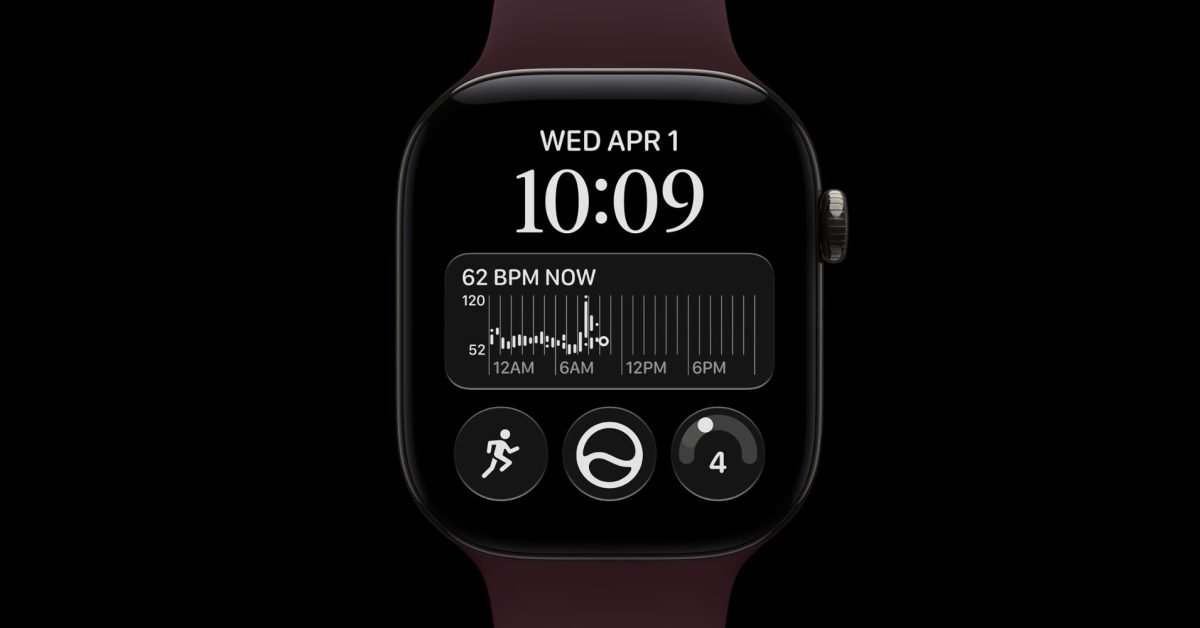
In addition to the linguistic expansion of Siri, iOS 27.2 includes a substantial redesign of the Health app. Apple has historically treated the Health platform as a data aggregator, but this update suggests a transition toward a more proactive, insights-driven tool. The interface overhaul prioritizes visual data representation, allowing users to see correlations between different metrics—such as activity levels, sleep quality, and physiological markers—more clearly than ever before.
The integration of Siri AI within the Health app is perhaps the most practical application of the new language support. Users can now ask complex queries in Spanish, French, or Japanese regarding their health trends, such as “How has my resting heart rate changed compared to my sleep duration over the last month?” The system’s ability to parse these requests and retrieve meaningful insights from disparate datasets represents a major jump in personal health management.
Impact on Developer Ecosystem and User Feedback
By bypassing the 27.1 release entirely, Apple is compressing its development schedule, forcing developers to contend with a faster deployment pace. This strategy has a direct impact on the third-party application ecosystem. Developers building apps that rely on Siri’s advanced API endpoints must now test their integrations across six distinct languages, ensuring that their voice-activated features remain functional and accurate for a global user base.
The transition to a developer beta of this magnitude also serves as a massive crowdsourcing effort. By placing these features into the hands of testers globally, Apple can capture a wider array of linguistic data, identifying edge cases and regional variations in speech that the internal testing team might have overlooked. This iterative feedback loop is essential for refining the AI’s response accuracy, tone, and reliability before the public release.
Looking Toward a Wider Deployment
As the iOS 27 cycle progresses, the industry expects this pattern of rapid iteration to continue. The quick introduction of support for five major languages serves as a proof of concept for the scalability of the current AI architecture. If the company continues at this velocity, the barrier to entry for accessing high-level generative AI on mobile devices will continue to diminish for users worldwide.
For those currently testing the beta, the transition is seamless. Provided their device language settings are configured to one of the newly supported languages, the Siri AI interface will automatically update. This seamless rollout highlights Apple’s push to unify the user experience globally, ensuring that the flagship features of the iPhone platform are accessible to its entire user base rather than restricted to specific regions. The speed of this update cycle suggests that the future of mobile interaction will be defined not just by how powerful a device is, but by how quickly it can adapt to the diverse linguistic needs of its users.
Disclaimer: This content is auto-generated for informational purposes only.
Source: Read Original News