









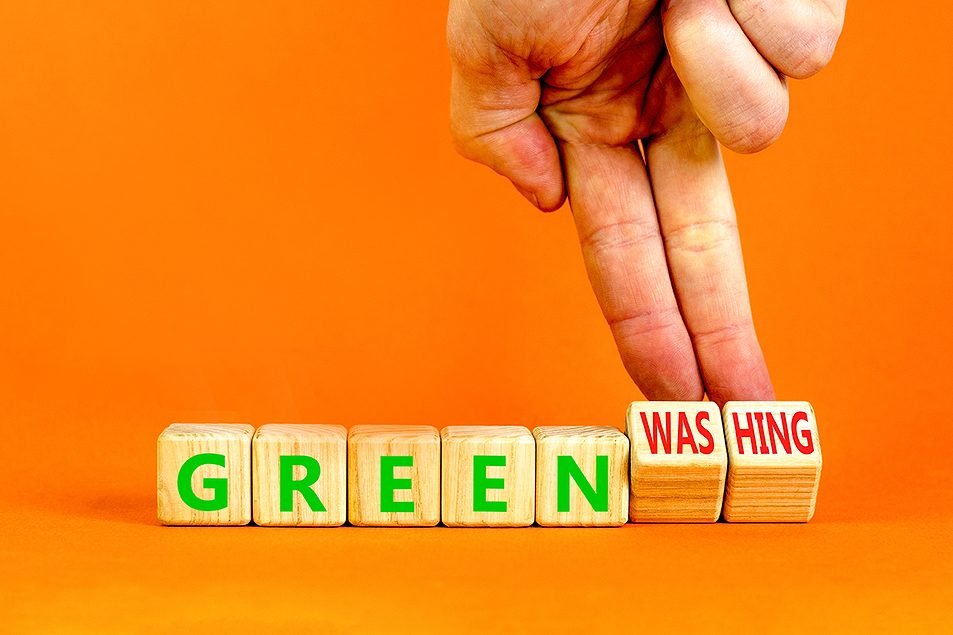
As the food industry navigates an increasingly skeptical consumer base, the strategy for sustainability has shifted from vague environmental promises to a requirement for hard, verifiable data. Modern shoppers, armed with real-time information access and a heightened awareness of corporate “greenwashing,” are moving away from brands that rely on marketing buzzwords. Instead, they are demanding third-party certifications and transparent supply chain documentation to substantiate sustainability claims.
This evolution is fundamentally changing how food producers interact with technology. Industry leaders are no longer just looking at ingredients or packaging; they are adopting advanced digital ecosystems—often leveraging tools developed by technology giants like Google—to track, verify, and communicate their environmental impact.
The Tech-Driven Pursuit of Transparency
The rise of AI and machine learning is playing a pivotal role in this transition. Companies are increasingly integrating artificial intelligence to manage complex supply chain data, allowing them to provide the granular proof consumers now demand. By utilizing cloud-based infrastructure and advanced data analytics, businesses can map their carbon footprint from farm to fork with unprecedented accuracy.
Google’s suite of enterprise tools, particularly those involving Google Cloud’s sustainability-focused data analytics, has become a cornerstone for many food processors. These platforms allow companies to process massive datasets regarding water usage, soil health, and logistics emissions. By presenting this data in clear, accessible formats—often displayed via QR codes on packaging that lead to verified sustainability reports—brands are successfully converting skeptical shoppers into loyal customers. The technology serves as a bridge, transforming internal sustainability audits into consumer-facing trust signals.
Moving Beyond Superficial Claims
The current market environment is unforgiving to brands that fail to back their environmental rhetoric. Industry analysts note that “greenwashing”—the practice of conveying a false impression of a product’s environmental friendliness—is being effectively curtailed by consumer advocacy groups and digital watchdog tools. When a consumer uses a smartphone to search for a product’s history, they are often met with AI-driven search results and independent audits that either validate or debunk a brand’s claims.
To avoid falling into the trap of deceptive marketing, food companies are pivoting toward established certifications such as Fair Trade, USDA Organic, or regenerative agriculture seals. These certifications act as a “gold standard” for shoppers. When integrated with digital storytelling, these marks provide the assurance that a third party has vetted the company’s practices. The integration of technology in this space ensures that these certifications are not static images on a label but live documents that can be verified in real-time.
Preparing for the Future of Sustainable Food
Looking ahead, the intersection of food production and digital technology will only deepen. As regulatory bodies around the globe tighten rules surrounding climate-related disclosures, food businesses will need to be even more precise. The future of the industry lies in a “trust-by-design” approach, where sustainability metrics are baked into every phase of product development.
Artificial intelligence is expected to play a larger role in predictive modeling, helping producers forecast how different farming techniques might improve yield while reducing environmental impact. By coupling these scientific advancements with robust digital reporting, the food industry is repositioning itself to meet the demands of a modern, tech-savvy generation. For those who can provide the transparency that today’s consumers expect, the path forward offers not just risk mitigation, but a significant competitive advantage in a crowded and noisy marketplace. The era of the empty claim is over; the era of verified impact has firmly begun.
Disclaimer: This content is auto-generated for informational purposes only.
Source: Read Original News