







A Unified Interface for Enhanced Productivity
Anthropic has officially announced a significant structural overhaul to its Claude ecosystem, marking a departure from fragmented workflows. The core of this update involves merging the standalone interfaces for Claude chat, the Cowork automation suite, and the Artifacts workspace into a single, cohesive environment. By consolidating these functions, Anthropic aims to solve a persistent friction point for professional users: the cognitive load associated with deciding which specific tab or interface is required for a given objective.
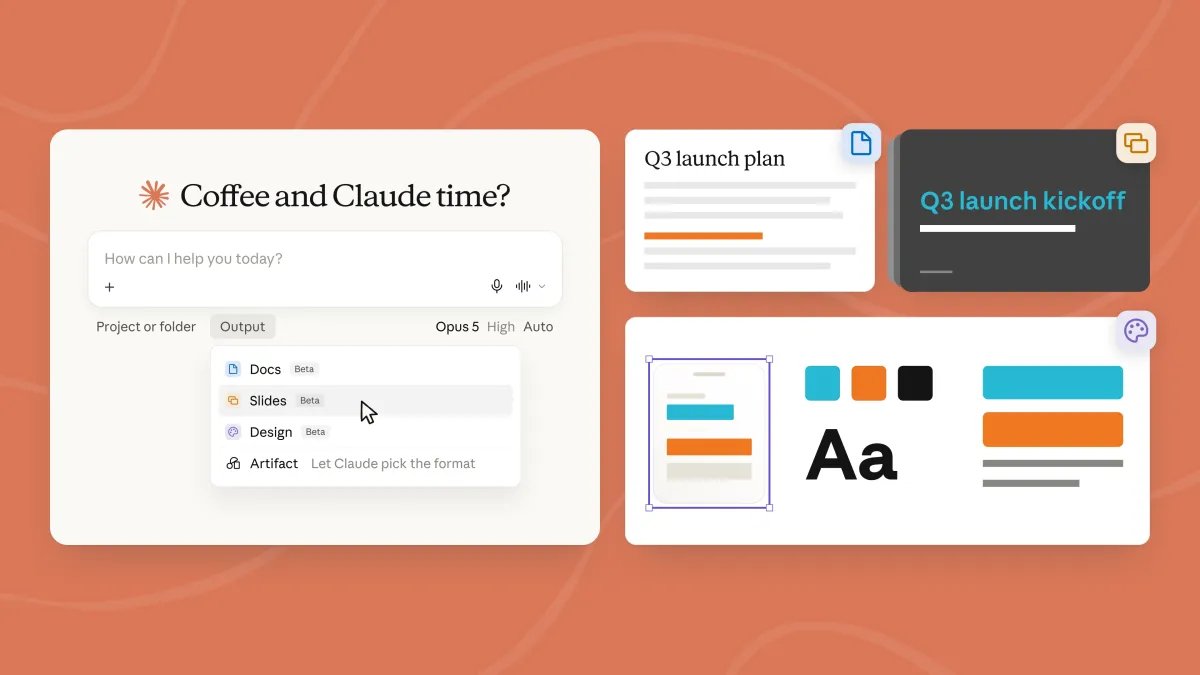
In the past, the separation between general conversation, collaborative coding or project management, and creative output generation forced users to navigate between disparate windows. This process interrupted the flow of work and often obscured the capabilities available to the user. With this new, unified front end, the platform acts as an intelligent router. When a user issues a command, the interface automatically determines whether the request necessitates the chat engine, the analytical depth of the Cowork layer, or the iterative design space of Artifacts. By abstracting the backend routing, Anthropic allows the user to remain focused on the task rather than the technical infrastructure required to complete it.
Expanding the Reach of Claude Design
The integration of Claude Design, which was originally debuted in April to assist with website prototyping and structural layouts, represents a major advancement in the tool’s accessibility. Previously, users might have felt that design tasks were siloed within specific high-level projects. Now, the utility of Claude Design is available across the entire platform. Whether a user is drafting a report in a chat window or managing a software deployment within Cowork, the ability to generate visual mockups and architectural prototypes is always at their fingertips.
This universal availability enables a more fluid transition from abstract planning to visual execution. For example, a marketing team can discuss a campaign strategy in a conversation, then immediately invoke the design tools to create the landing page components without having to migrate their data to a separate application. This feature ensures that the visual representation of a project remains synchronized with the conversational context in which it was conceived.
Automated Creation for Presentations and Documentation
Beyond structural changes, Anthropic has introduced dedicated capabilities for document and presentation management. These additions respond to the demand for generative tools that can handle standardized business formats. Users can now direct Claude to construct complete presentations, manage content, and adjust formatting. Once the AI finishes generating the slide deck, the platform provides direct export functionality, allowing users to download the content as a PDF or a structured PowerPoint file.
The Docs feature follows a similar trajectory, designed for collaborative, long-form content creation. It enables a dynamic interaction where the AI functions as a co-author. Users can annotate specific sections, query the document for clarity, and leave comments on completed segments. This reflects a shift in AI utility: moving away from simple text generation toward a model of persistent project management. The ability to create, refine, and review complex documents within the Claude environment significantly lowers the barrier for professional output, turning the AI into a partner capable of handling iterative document development.
Cross-Platform Synchronization and Mobility
A critical aspect of this update is the seamless synchronization between desktop and mobile devices. Modern work patterns are rarely confined to a single workstation, and Anthropic has accounted for this by ensuring that all progress made in the unified interface is persistent across every client. A user can begin an intensive task on a desktop environment—such as configuring a complex project with multiple artifacts—and verify the status or review progress via the mobile application while on the move.
Furthermore, the integration includes a robust sharing mechanism. Documents and presentations generated within the ecosystem can be shared via direct links, allowing for external review and team collaboration. The mobile interface has been optimized to handle these edits, meaning that a user can perform quick reviews or minor revisions on a smartphone as easily as they would on a full-sized monitor. This commitment to portability underscores the intent for Claude to serve as a persistent, reliable workstation rather than a mere chat utility.
Context Retention and Future Roadmap
This interface update follows closely on the heels of major refinements to the Cowork memory layer. By significantly upgrading the ability of the model to retain context across different sessions and long-term project lifecycles, Anthropic is addressing the “amnesia” that often plagues large language models. When combined with the new unified interface, this memory layer ensures that the AI’s understanding of a specific user’s preferences, technical constraints, and previous project decisions is carried over automatically.
For the initial rollout, these features are being deployed to users on the Pro and Max plans, covering web, desktop, and mobile platforms over the coming weeks. While these premium tiers receive the update first, Anthropic has confirmed plans to extend these capabilities to the free and team tiers in the future. By simplifying the front end and focusing on task-based routing rather than interface-based selection, Anthropic is positioning itself to provide a more intuitive and efficient user experience, potentially setting a new standard for how AI-driven platforms manage complex, multi-modal workflows.
Disclaimer: This content is auto-generated for informational purposes only.
Source: Read Original News