









The Evolution of the HD-2D Aesthetic
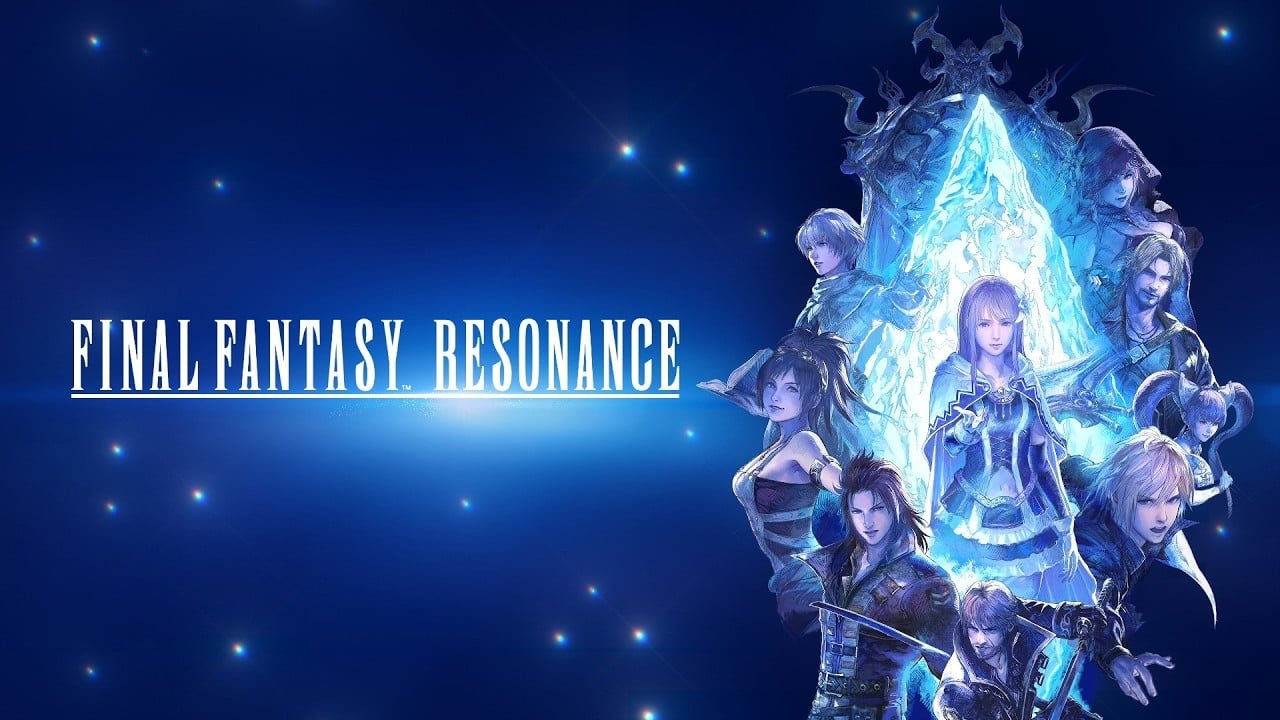
Square Enix has long been a pioneer in blending traditional Japanese role-playing game mechanics with modern graphical fidelity. With the unveiling of the Tokyo Game Show 2026 trailer for Final Fantasy Resonance, the publisher has signaled a definitive evolution for its proprietary HD-2D engine. This visual style, which juxtaposes pixelated character sprites against high-resolution, three-dimensional environments, has been refined into a more sophisticated technical showcase.
In Final Fantasy Resonance, the engine pushes boundaries by introducing dynamic lighting systems that react to the movement of these 2D characters in real-time. By utilizing advanced post-processing effects, such as depth-of-field shaders and bloom, the developers have managed to reduce the visual dissonance that often occurs when merging disparate art styles. This technical leap ensures that the characters do not merely exist on top of a 3D landscape but feel integrated into the physics and atmospheric conditions of the world. The shift in lighting geometry allows for a more cohesive color palette, moving away from the stark contrasts seen in earlier HD-2D titles toward a unified, painterly aesthetic that enhances the sense of scale.
Technical Architecture and Platform Integration
Final Fantasy Resonance is set for a wide-reaching release, spanning several generations of hardware including the PlayStation 5, Xbox Series X/S, PC, and both the Nintendo Switch and the upcoming Switch 2. Ensuring graphical parity across such a diverse range of hardware requires complex resource management. Square Enix has implemented a scalable rendering pipeline that adjusts asset density based on the host system’s compute power.
On more powerful platforms like the PlayStation 5 and high-end PCs, the game utilizes hardware-accelerated ray tracing to simulate realistic light bounces on water surfaces and metallic armor textures. For the Nintendo Switch, the engine leverages specialized texture compression algorithms that maintain the crispness of the sprite work without overtaxing the system memory. The cross-platform optimization suggests a focus on universal access, allowing players to experience the same tactical depth and visual fidelity regardless of their chosen hardware. This broad compatibility is a testament to the versatility of the engine, which is capable of scaling from handheld gaming devices to high-performance desktop configurations.
Mechanics and Turn-Based Innovation
While the visual style leans into nostalgia, the core gameplay of Final Fantasy Resonance introduces significant technical modifications to the classic turn-based formula. The development team has moved beyond the simple menu-based selection systems of the past to a more fluid, timing-based interaction model. The Resonance system, from which the game draws its name, allows characters to synchronize actions based on positioning within the 3D space.
Players must calculate the range and trajectory of their abilities to maximize the Resonance gauge. When this gauge is active, the game transitions into a high-speed command mode where multiple party members can initiate chain attacks. From a programming perspective, this requires a sophisticated queueing system that evaluates unit coordinates against spatial markers. The inclusion of these mechanics creates a deeper tactical requirement than previous titles, forcing players to account for environmental geography alongside traditional elemental weaknesses.
Accessibility and Performance Metrics
A primary focus for Square Enix during this development cycle is optimizing the performance-to-fidelity ratio. The trailer released at the Tokyo Game Show 2026 highlights a stable frame rate, indicating a rigorous focus on frame pacing. For a turn-based title, consistency in performance is vital for maintaining the flow of combat. The engine utilizes asynchronous asset loading to eliminate load screens between field exploration and combat encounters, creating a seamless experience.
Furthermore, the game includes extensive accessibility features that utilize machine learning models to provide real-time audio descriptions and adjustable text-to-speech feedback. These technical additions reflect a shift toward inclusive game design, ensuring that the complexity of the RPG mechanics remains accessible to players with varying sensory requirements. By integrating these tools directly into the game engine, the developers avoid the performance overhead usually associated with third-party software overlays.
The Impact of the HD-2D Standard
Final Fantasy Resonance represents more than just a new entry in a long-standing franchise; it serves as a technical benchmark for the HD-2D format. By standardizing this aesthetic, Square Enix has created a distinct brand identity that appeals to both modern players seeking high-fidelity lighting and long-time fans of classic isometric RPGs. The successful implementation of these techniques may influence future development projects, encouraging other studios to experiment with the fusion of legacy art styles and modern rendering technologies.
As the October 22 release date approaches, the industry interest surrounding Final Fantasy Resonance centers on its ability to balance traditional gameplay conventions with modern visual techniques. If the game successfully delivers on its promise of a fluid, visually striking, and technically stable experience, it will likely solidify the HD-2D engine as the premier toolset for future retro-inspired high-budget development. The combination of, at times, contrasting visual elements proves that technical innovation does not require the abandonment of established art, but rather a more intelligent application of digital rendering techniques to bring those visions to life.
Disclaimer: This content is auto-generated for informational purposes only.
Source: Read Original News