








WASHINGTON — The House of Representatives voted 262-159 on Wednesday to pass a sweeping sanctions package targeting Russia and Iran, marking a significant escalation in U.S. efforts to degrade the revenue streams fueling Moscow’s ongoing war in Ukraine. The legislation, which previously cleared the Senate with an 86-11 margin, now heads to the White House for President Donald Trump’s signature.
Officially titled the “Lindsey O. Graham Sanctioning Russia and Iran Act of 2026,” the 61-page bill serves as a posthumous tribute to the late senator, a staunch foreign policy hawk who championed such measures before his sudden death in July.
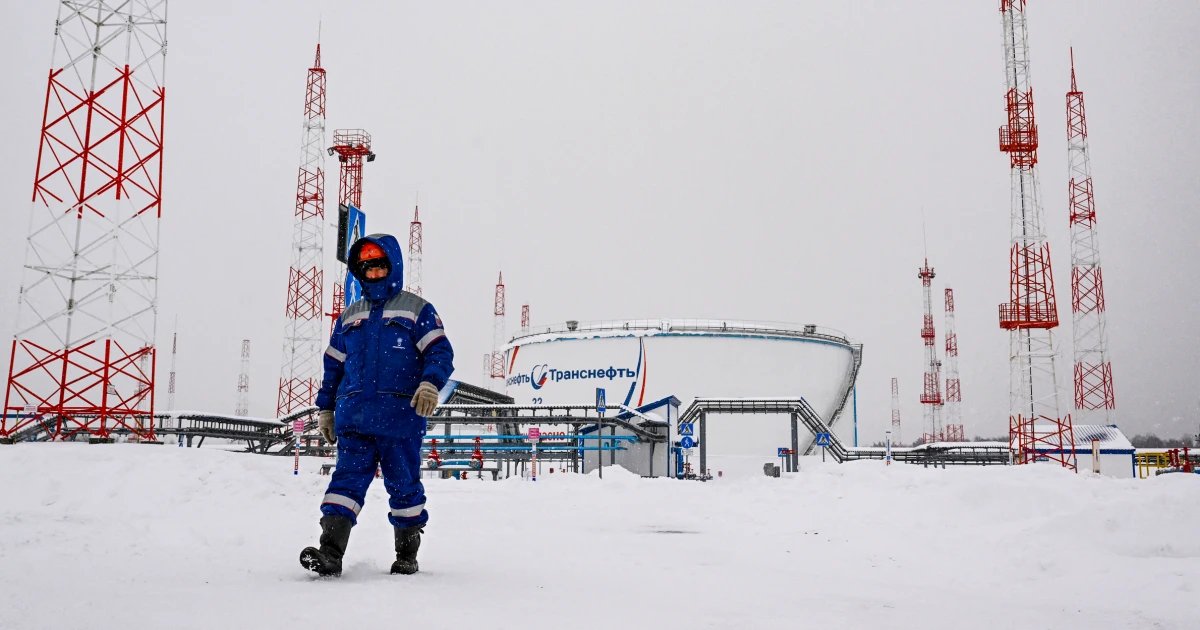
The core of the legislation centers on crippling Russia’s energy sector by aggressively penalizing the primary nations that purchase its oil and gas. Under the new authority, the administration is empowered to impose tariffs of up to 100 percent on goods imported from countries that continue to buy significant volumes of Russian energy—a move clearly aimed at economic giants like China and India.
While the bill provides a “carve-out” for countries that can demonstrate significant efforts to reduce their dependence on Russian imports—specifically those whose intake remains below 15 percent of Russia’s total annual natural gas exports—the policy represents a high-stakes gamble. The Atlantic Council noted that the strategy relies on the assumption that such steep tariffs will serve as a powerful enough deterrent to force Beijing and New Delhi to shift their energy procurement away from Moscow.
Beyond energy, the act broadens the scope of existing sanctions to target specific Russian government officials, wealthy oligarchs and their families, and major financial institutions. At President Trump’s request, the final package also includes expanded authority to further constrain funding for Iran’s weapons manufacturing and energy sectors.
The path to passage was not entirely smooth. Some House Democrats expressed reservations, voicing concerns that the legislation grants the Trump administration excessively broad tariff powers that could be subject to political abuse. However, those concerns ultimately failed to derail the bipartisan momentum. House Speaker Mike Johnson, R-La., who had spent recent weeks building consensus for the measure, praised the final outcome.
Advocacy groups have hailed the vote as a pivotal development. Daniel Balson of the organization Razom for Ukraine called the passage “momentous,” particularly as reports emerge that Moscow is moving toward full-scale mobilization and intensifying its bombing campaigns against Ukraine’s energy infrastructure.
“This bill sends an unmistakable message,” Balson said in a statement following the vote. “For so long as Putin continues to inflict suffering on Ukraine, Congress will continue to impose consequences on Putin.”
With the bill now destined for the Resolute Desk, the administration is expected to begin the implementation process shortly, setting the stage for a potential shift in the global energy market.
Disclaimer: This content is auto-generated for informational purposes only.
Source: Read Original News