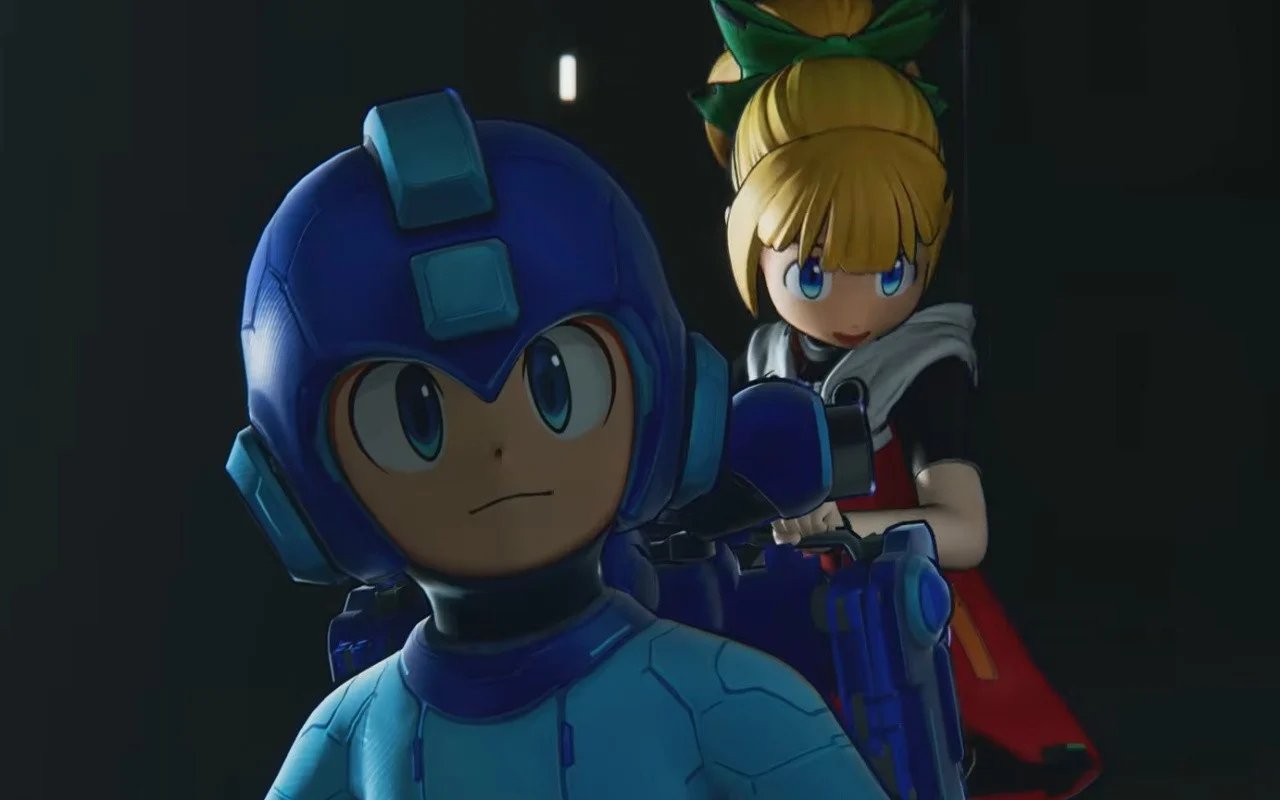








As Tokyo Game Show approaches, the Japanese gaming industry prepares to showcase several highly anticipated titles. Capcom recently hosted a preview event in San Francisco, offering a hands-on look at two major projects slated for release in 2027: “Mega Man: Dual Override” and the expansion “Monster Hunter Wilds: Ascendance.” Both titles introduce significant mechanical shifts that change how players approach combat and navigation within their respective series.
Evolving Combat in Mega Man: Dual Override
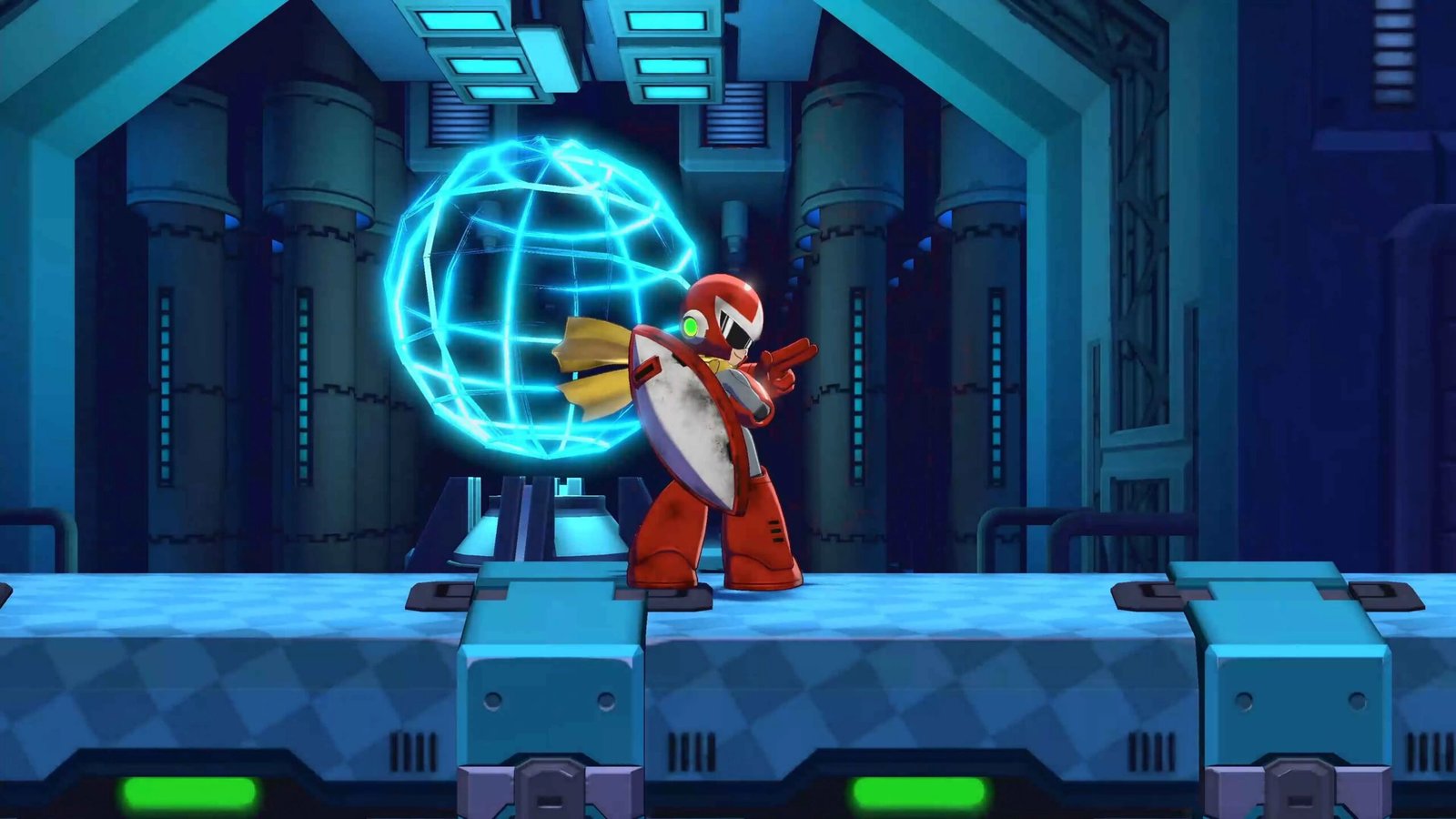
“Mega Man: Dual Override” distinguishes itself from previous entries by offering drastically different gameplay experiences depending on the chosen protagonist. During the preview, the focus was on Proto Man, a character defined by his aggressive, close-quarters playstyle and specialized defensive utility. Unlike the standard Mega Man character, Proto Man utilizes a unique shield system. Players can toggle shield attacks using the Triangle button, which includes a boomerang-style throw, a dashing maneuver, and a vertical strike reminiscent of traditional fighting game inputs.
The inclusion of a special meter adds a layer of tactical management to these maneuvers. Each defensive and offensive shield action consumes a portion of the meter, which depletes slowly over time. If a player relies too heavily on these skills, the meter fills entirely, causing the character to enter a temporary malfunction state. This design choice prevents the trivialization of combat encounters, requiring players to balance their offensive output against the vulnerability of the cool-down periods.
Strategic Depth and Proximity Mechanics
Proto Man’s engagement range is notably shorter than that of the series’ namesake, forcing players to remain in close proximity to enemies to maintain an effective damage output. While this makes standard combat more hazardous, the increased power of his charged shots and the utility of his aerial sword slashes compensate for the reduced range. Platforming also feels distinct; the shield dash maneuver provides a mobility boost that allows for wider jumps, though it requires precise timing to avoid being exposed during the animation’s recovery frames.
The boss encounters, such as the fight against Twinkle Girl, highlight these challenges. Victory requires identifying patterns and managing the Override ability—a powerful burst move that delivers significant damage but leaves the player significantly weakened afterward. This “glass cannon” mechanic creates a high-stakes finale to boss fights, where the player must decide the optimal moment to sacrifice their mobility and defense for a final, decisive strike.
Introducing the Araketa in Monster Hunter Wilds
The expansion “Monster Hunter Wilds: Ascendance” introduces a new, formidable creature called the Alpha Araketa. Visually and behaviorally inspired by corvid-like characteristics combined with heavy impact force, the Araketa presents a unique challenge due to its flock-based tactics. It frequently utilizes dive-bomb attacks and a specialized wing-mounted turbine system that can blast players attacking from the rear, effectively punishing players who attempt to camp in traditional safe zones behind the monster.
The fight is defined by the Araketa’s tendency to fly in formation with its pack before executing coordinated ground-slam attacks. This behavior creates a chaotic battlefield that forces the player to constantly move and reposition. The demo emphasized the importance of environmental awareness; players can utilize creatures like the rock-like Grodon to deal substantial damage or utilize local flora, such as paralyze toads, to mitigate the need for traditional traps.
Mastering the Booster Brace Mechanic
A central feature of the “Ascendance” expansion is the Booster Brace, a mechanical addition that functions as a high-damage burst offensive. When equipped with the Switch Axe, the Booster Brace functions similarly to a revving chainsaw, allowing for an upward sweep attack that can be chained into longer combos. This mechanic is designed to be used during the momentary pauses in a monster’s attack cycle—specifically after the Araketa’s head-slam animation.
The Booster Brace features three tiers of intensity that build up as the hunt progresses. Because the device charges relatively quickly, players are encouraged to integrate it into their standard flow of combat rather than saving it exclusively for emergencies. Mastering the timing of this activation is critical for success, particularly in time-sensitive encounters where the player must maximize their damage output within a limited window.
Technical Impact and Design Philosophy
Both “Mega Man: Dual Override” and “Monster Hunter Wilds: Ascendance” demonstrate a shift toward higher-intensity, risk-reward gameplay. By introducing character-specific meters, proximity-based combat requirements, and multi-tier gear mechanics, Capcom is providing veteran players with more nuanced ways to approach familiar series staples.
In “Mega Man,” the divergence between Mega Man and Proto Man suggests a game that relies heavily on replayability and character-driven mechanical variety. Meanwhile, in “Monster Hunter,” the emphasis on environmental hazards and the new Booster Brace system reflects a desire to keep hunts feeling dynamic and unpredictable. As these titles move toward their 2027 release dates, the reception at Tokyo Game Show will likely provide further insight into how these complex systems resonate with the broader player base, setting the stage for what appears to be a sophisticated evolution of two of Capcom’s most enduring franchises.
Disclaimer: This content is auto-generated for informational purposes only.
Source: Read Original News