








Strategic Expansion of the Street Fighter 6 Roster
Capcom has officially charted the future of Street Fighter 6 with a detailed roadmap for its Year 4 downloadable content. The fighting game, which continues to maintain a significant presence in the competitive scene, will see the arrival of the combatant Arjun on October 13, 2026. This release is part of a broader strategy to sustain player engagement through a consistent stream of new mechanics and character variety. Following Arjun, the development team has confirmed the inclusion of Tifa from the Final Fantasy VII franchise, slated for an early 2027 debut, with the character Bosch scheduled to round out the season in the spring of 2027.
To maintain visual parity with these updates, Capcom is integrating thematic content into the game’s interface, including special challenger screen images derived from the latest Street Fighter film production. Furthermore, the studio is expanding the cosmetic depth of the title with the introduction of a new swimsuit outfit for C. Viper. By pairing character roster updates with frequent cosmetic refreshes, the developers are leveraging a model that rewards long-term progression and investment from the existing player base.
Technical Advancements in Monster Hunter Wilds
The recent Capcom Spotlight served as a platform to reveal the Ascendance expansion for Monster Hunter Wilds. The expansion introduces a significant technical overhaul to the core loop of the game, most notably through the implementation of the “boost bracer.” This new hardware-inspired attachment is engineered to temporarily amplify the efficacy of specific combat actions across all fourteen weapon classes. This addition signifies a departure from static combat styles, introducing a layer of tactical resource management that requires players to account for temporary performance spikes during encounters.
The announcement also featured the return of the Elder Dragon Teostra, presented with updated graphical fidelity that leverages the enhanced hardware capabilities of newer platforms. Beyond the aesthetic improvements, the expansion introduces quality-of-life adjustments that directly address feedback regarding inventory and loadout management. By allowing players to modify equipment outside of a base camp tent and implementing faster weapon swapping, Capcom is reducing the mechanical friction that previously slowed down the pace of hunts.
Systems Architecture and Hardware Optimization
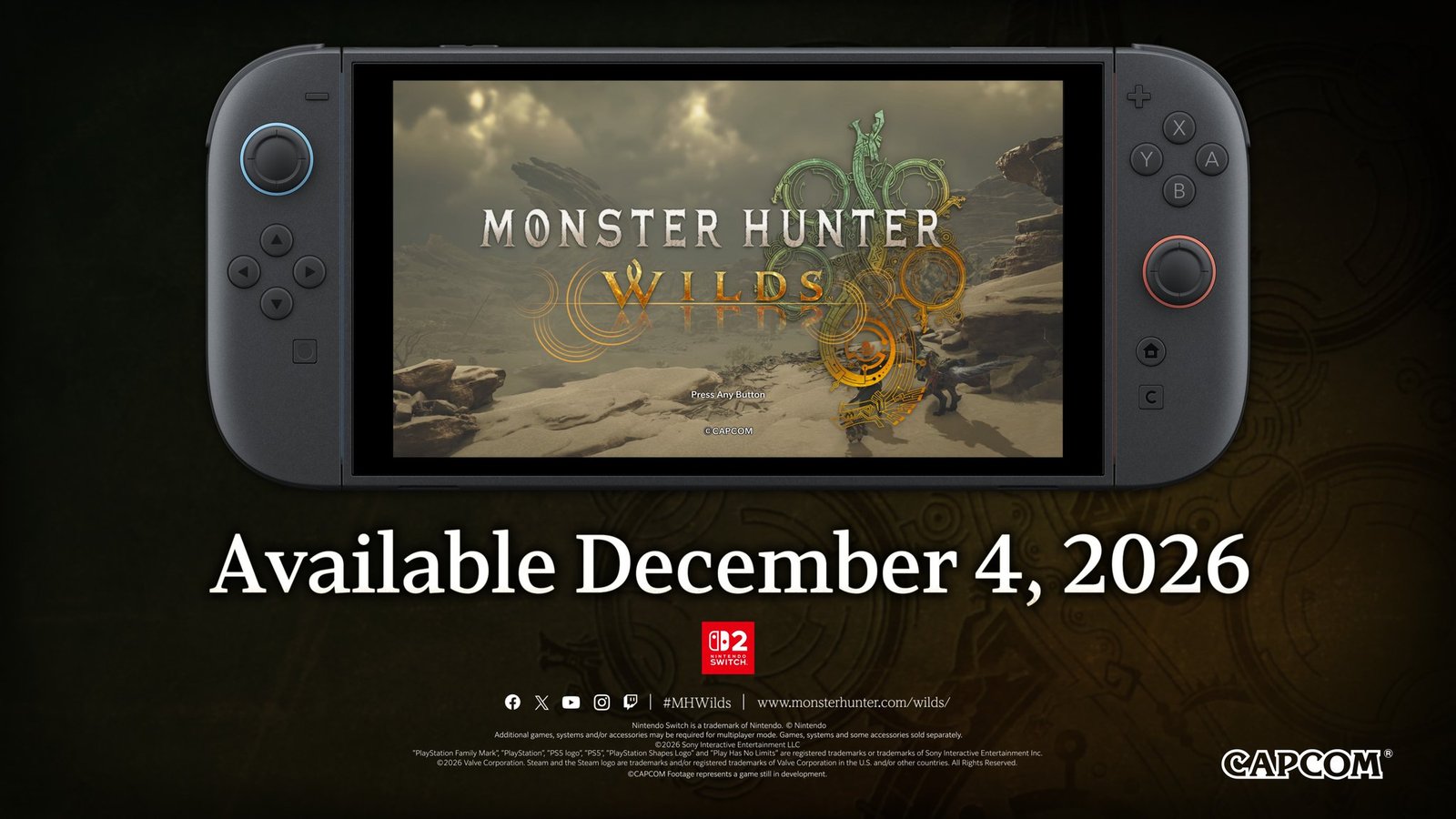
A key technical highlight of the recent announcements is the move toward broader hardware support, particularly regarding the Nintendo Switch 2. The base version of Monster Hunter Wilds is set to launch on this platform on December 4, 2026, with the Ascendance expansion following in 2027. This release schedule underscores a deliberate optimization strategy aimed at ensuring that the complex, open-world systems inherent to the Monster Hunter engine function across a diverse range of hardware profiles.
The integration of granular data displays, such as the new interface for monitoring monster hide toughness, demonstrates an focus on transparency within the game’s damage calculation systems. By surfacing these statistics, players can now make informed decisions regarding weapon selection and equipment loadouts, moving away from trial-and-error gameplay toward a more calculated approach to hunting. These technical refinements suggest a design philosophy that favors mechanical depth and user-accessible data, catering to both casual players and those dedicated to optimizing their performance in the endgame.
Driving Ecosystem Growth Through Integrated Marketing
In conjunction with these product announcements, Capcom has initiated a wide-reaching digital storefront sale across all major platforms. This campaign offers discounts of up to 88% on a curated selection of titles, effectively using the current high-profile releases to drive traffic to the company’s entire back catalog. The inclusion of Pragmata in its first-ever promotional sale serves as a strategic maneuver to increase the install base of less-established intellectual properties by piggybacking on the attention garnered by the Street Fighter and Monster Hunter announcements.
This synchronization of promotional activity with content milestones illustrates a robust marketing framework. By clustering sales events with major game updates, the company creates a recurring cycle of activity that encourages current users to deepen their investment in the ecosystem while incentivizing new players to integrate themselves into the community at a lower entry cost.
Future Outlook and Community Impact
The roadmap for 2026 and 2027 points toward an aggressive expansion of Capcom’s core service-based titles. The transition from Year 4 in Street Fighter 6 to the substantive expansion of Monster Hunter Wilds indicates that the studio is prioritizing long-term technical support over iterative, standalone sequels. By maintaining the active status of these titles through persistent content updates and hardware-specific enhancements, the company is positioning itself to capture a larger share of player time in an increasingly competitive market.
The focus on refining player loadouts, improving combat mechanics through the boost bracer, and expanding the roster with cross-brand collaborations reveals a methodology built on responding to player feedback. As the industry shifts toward extended support cycles, Capcom’s approach of balancing technical refinements with a steady cadence of playable content serves as a benchmark for developers managing long-running titles. The upcoming launch period will be a critical test for these systems, particularly regarding how successfully the company optimizes the Monster Hunter experience for the hardware specifications of the next-generation Nintendo console.
Disclaimer: This content is auto-generated for informational purposes only.
Source: Read Original News