







New Delhi Stands Firm on Energy Autonomy Amid Heightened U.S. Sanctions Threat
NEW DELHI – In a defiant stance against looming international pressure, the Indian government declared on Thursday that it remains steadfast in its mission to secure energy supplies for its populace. This reaffirmation of sovereign trade policy follows a significant legislative maneuver in Washington aimed at penalizing nations that continue to procure energy resources from Russia and Iran.
The tension follows the U.S. House of Representatives’ passage of an expansive sanctions and tariff bill. Designed to ratchet up economic isolation against Moscow following its 2022 invasion of Ukraine, the legislation grants President Donald Trump the authority to levy punitive tariffs of up to 100% on countries that maintain robust oil and gas trade ties with Russia.
Diplomatic Warnings and Strategic Interests
The Indian Ministry of External Affairs (MEA) confirmed that it has been proactively engaging with American officials throughout the legislative process. In these discussions, New Delhi communicated its concerns regarding the legislation’s potential to disrupt bilateral cooperation and destabilize the global energy market.
“The Indian side has clearly articulated its position regarding the implications for our bilateral relationship,” the MEA stated. The ministry further emphasized that the government is fully prepared to implement necessary measures to safeguard its national trade and economic interests, underscoring that its reliance on diverse suppliers is a matter of macroeconomic necessity rather than political posturing.
The Reality of Energy Dependence
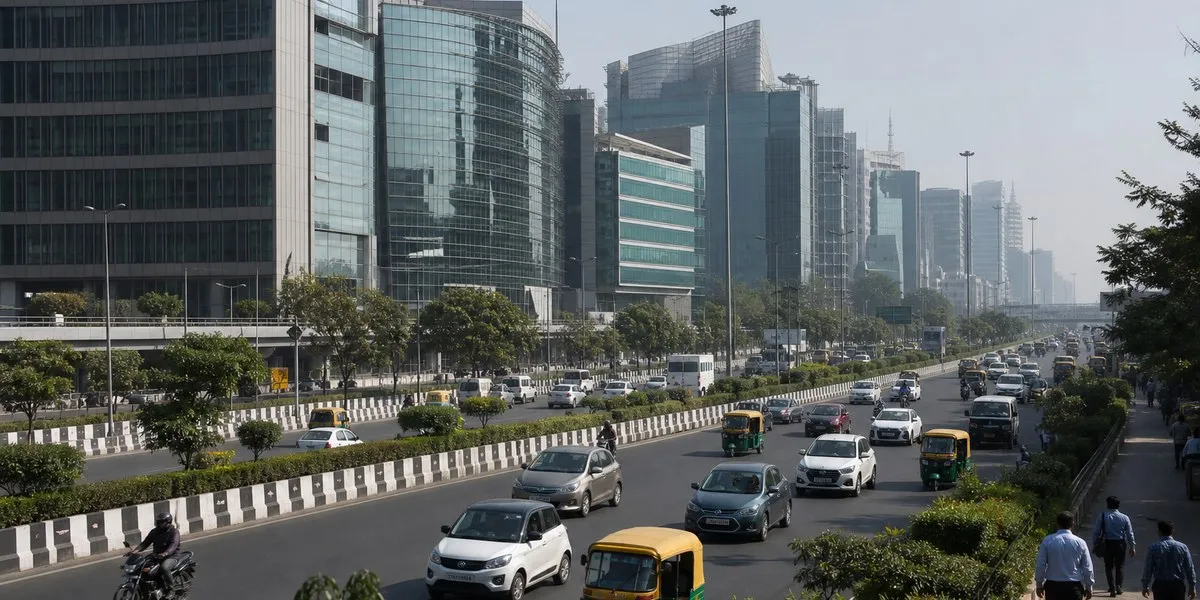
As the world’s third-largest importer of oil, India has frequently found itself at the intersection of Western geopolitical strategy and domestic developmental needs. Since the escalation of the conflict in Ukraine, India has emerged as a major destination for Russian crude. For New Delhi, these imports are viewed through the prism of affordability and reliability—crucial factors for a burgeoning economy supporting a massive population.
Indian policymakers have consistently defended this trade, arguing that the country must insulate its citizens from the volatility of global energy markets. By sourcing supplies from a variety of sellers based on competitive market dynamics, India maintains that it is fulfilling its primary obligation to fuel its industrial growth and keep inflation in check.
Navigating a Shifting Global Landscape
The bill, which is currently awaiting President Trump’s signature, represents a significant escalation in U.S. foreign policy tactics. Should the President choose to exercise the authority granted by the legislation, it could force a fundamental rethink of the current energy trade architecture between Washington and New Delhi.
In anticipation of potential market volatility, the Indian government has announced it will work in close coordination with trade associations and industry representatives. The goal is to develop a comprehensive response strategy that mitigates the impact of potential tariffs.
As the situation unfolds, India’s approach remains one of calculated pragmatism. While New Delhi values its strategic partnership with the United States, it has signaled that its primary focus will remain on securing the energy inflows required to sustain its economic trajectory, regardless of the challenges posed by external policy shifts.
Disclaimer: This content is auto-generated for informational purposes only.
Source: Read Original News