








The Significance of the NSE Initial Public Offering in the Indian Financial Ecosystem
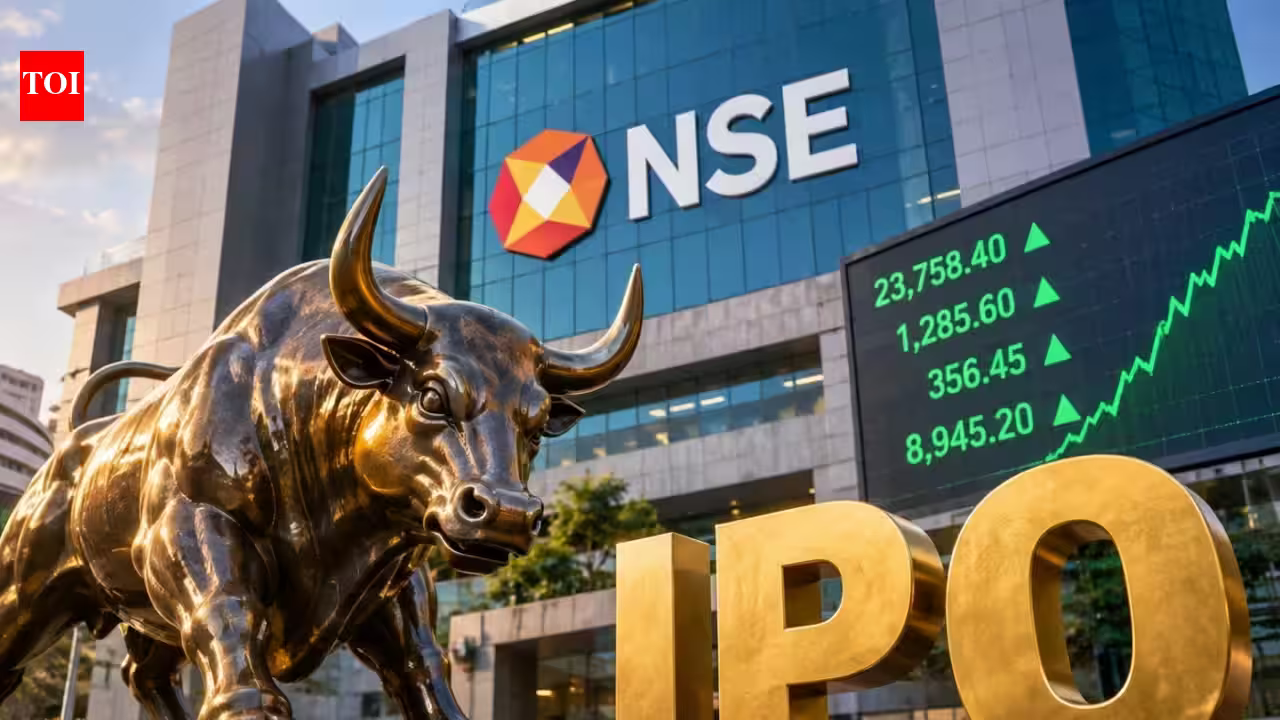
The Indian capital market has reached a monumental milestone with the National Stock Exchange (NSE) opening its long-awaited initial public offering (IPO) for subscription. As the backbone of India’s equity market infrastructure, the NSE occupies a dominant position that influences millions of investors and hundreds of corporate entities. With a total issue size of Rs 22,569 crore, this public offering represents more than just a financial transaction; it serves as a litmus test for the robustness of India’s economic growth and the institutional maturity of its stock exchanges.
The IPO, which is structured entirely as an offer-for-sale (OFS) of 12.64 crore equity shares, allows existing shareholders to divest a portion of their holdings. Because this is an OFS, the capital raised does not flow into the coffers of the exchange for corporate expansion or debt reduction. Instead, the proceeds, net of issue expenses, accrue directly to the selling shareholders. This structure is common for mature entities that are already cash-flow positive and possess a debt-free balance sheet, such as the NSE, which has maintained its leadership position in the cash and derivatives market for over two decades.
Regulatory Clarity and the Question of Self-Listing
A critical area of discussion surrounding the NSE public offering has been the regulatory stance on self-listing. Recently, SEBI Chairman Tuhin Kanta Pandey clarified that the regulator has not received any proposal from the NSE seeking approval to trade its own shares on its own platform. This clarification is essential for maintaining market integrity. In global financial markets, the concept of a self-listing exchange—where a bourse lists its own shares on its trading terminal—presents significant conflicts of interest.
The regulatory framework in India currently prohibits such an arrangement. By confirming that there is no requirement or pending proposal for the NSE to facilitate its own trading, the SEBI leadership has reaffirmed the necessity of a firewall between the exchange as a market operator and the exchange as a publicly traded company. Investors should take note that the NSE is slated to list on the Bombay Stock Exchange (BSE), a structural arrangement that ensures competitive neutrality and prevents the centralization of regulatory and commercial power. This distinction is vital for long-term institutional stability and protects the broader market from potential governance risks.
Market Valuation and Financial Fundamentals
The NSE has set its price band between Rs 1,700 and Rs 1,785 per share, projecting a post-issue market capitalisation of approximately Rs 4,41,788 crore. Such a valuation reflects the exchange’s unparalleled reach within the Indian economy. As of June 2026, the NSE boasts 132.4 million unique registered investors and serves as the primary gateway for retail and institutional capital. The sheer scale of its operations—spanning cash equities, derivatives, mutual funds, and debt instruments—creates a formidable economic moat.
Analysts have identified several pillars of strength that support this valuation. The exchange is characterized by its high-margin business model, largely driven by the explosive growth in trading volumes, particularly within the futures and options (F&O) segment. Furthermore, the NSE has effectively diversified its revenue streams beyond transaction charges to include data services, index licensing, and technology solutions. These ancillary services provide a buffer against the inherent volatility of trading volumes, offering a more stable revenue profile that appeals to long-term institutional investors.
The Dynamics of Retail Participation and Market Sentiment
The grey market premium (GMP) for the NSE IPO, hovering around 9%, suggests a pragmatic view among market participants. Unlike speculative retail-heavy offerings that often witness irrational exuberance, the NSE IPO is being viewed through the lens of fundamental strength. A moderate GMP indicates that while investors recognize the long-term potential of the exchange, they are also sensitive to the current valuation and the risks associated with potential regulatory shifts in the derivatives segment.
Retail investor enthusiasm remains a key driver for the success of this IPO. With a minimum application size of Rs 14,280 at the upper price band, the issue is accessible to a broad demographic of Indian investors who have participated in the record-breaking surge of demat account openings over the past few years. However, this high participation rate also highlights a dependency on retail sentiment. The NSE’s performance is deeply tethered to the health of the Indian stock market; a sustained period of bearish trends or a significant decline in retail trading frequency could impact the exchange’s revenue trajectory.
Navigating Long-Term Risks and Strategic Challenges
While the NSE’s market leadership is well-established, it is not without challenges. Regulatory oversight is the primary risk factor. As the volume of options trading continues to rise, SEBI has consistently signaled its intent to monitor speculation and protect retail investors, which may lead to policy changes that constrain trading activity. Since a substantial portion of the NSE’s revenue is linked to transaction volume, any tightening of rules governing derivatives trading could affect the exchange’s bottom line.
Furthermore, the technological demands on an exchange of this size are immense. Maintaining a high-frequency, ultra-low-latency trading environment requires consistent and heavy capital expenditure on technology infrastructure and cybersecurity. In an era where digital threats are increasing, the cost of safeguarding the market infrastructure is a persistent overhead. Additionally, the exchange faces competition from other domestic players and global entities that are increasingly interested in the Indian financial services space. The ability of the NSE to innovate and retain its competitive edge through technological superiority and exclusive product offerings will be the primary determinant of its success in the coming decade.
Conclusion: A New Chapter for Indian Market Infrastructure
The listing of the NSE is a watershed event for the Indian financial system, effectively bringing its most critical market operator under the scrutiny of public shareholders. For the investor, this represents an opportunity to participate in the growth of the infrastructure that powers India’s financial economy. The exchange enters the public markets with a solid foundation, a debt-free status, and a dominant market share that is difficult to replicate.
As the NSE moves toward its listing date on the BSE, the focus for stakeholders will shift from the mechanics of the subscription to the long-term governance and operational performance of the exchange. Investors must weigh the clear advantages of market leadership and high-margin business operations against the inherent risks of regulatory evolution and market volatility. Ultimately, the NSE IPO is a reflection of the depth and maturity of the Indian financial market, providing a new venue for domestic and foreign institutional investors to gain exposure to the growth of India’s capital markets through the very entity that facilitates them.
Disclaimer: This content is auto-generated for informational purposes only.
Source: Read Original News