









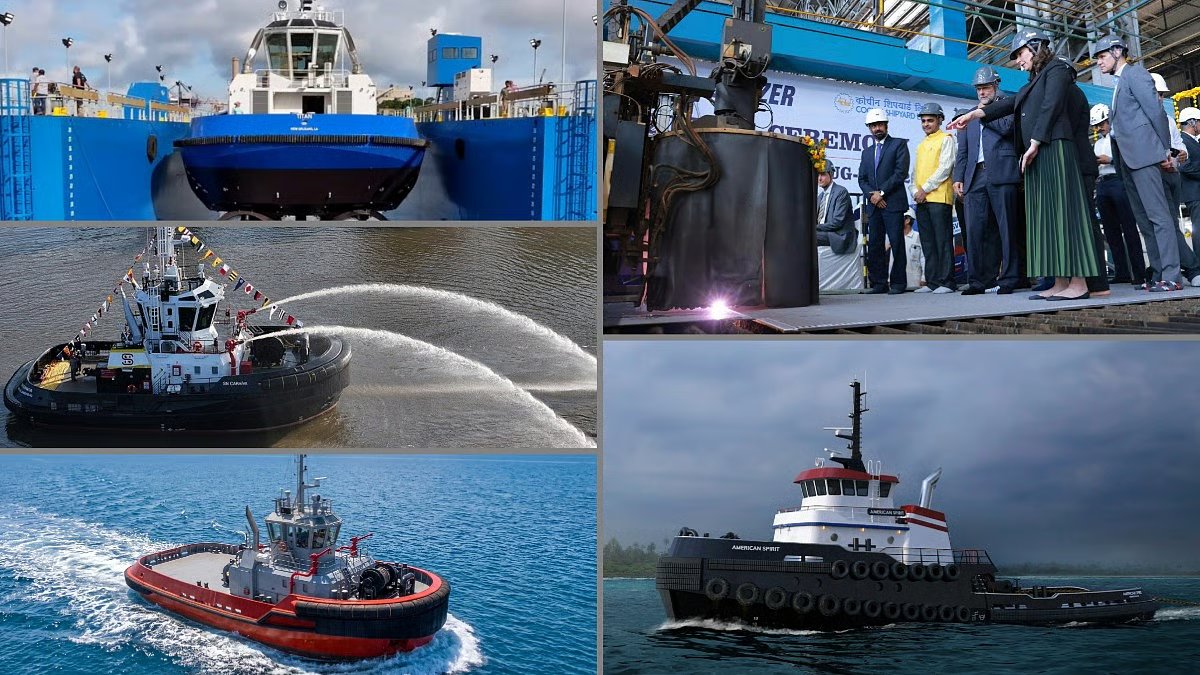
Indian Shipyards Poised to Strengthen Global Tugboat Fleet
NEW DELHI — India’s burgeoning shipbuilding sector is playing a pivotal role in the global maritime infrastructure market, as international demand for high-performance tugboats reaches new heights. Recent industry reports confirm that while new vessels have been successfully commissioned and delivered to operators in the United States and Brazil, the domestic Indian manufacturing landscape remains a hive of activity, with several keystone projects nearing completion.
Strengthening Global Maritime Logistics
The global surge in port activity and the requirement for more powerful, eco-friendly harbor craft have shifted the spotlight onto the technical capabilities of Indian shipyards. As shipowners in the West and South America look to renew their aging fleets, Indian manufacturers are increasingly being tapped for their cost-competitive engineering and robust production capacity.
The current wave of construction includes advanced tugs designed for high-maneuverability, essential for navigating the increasingly complex traffic of modern international ports. By leveraging indigenous design expertise alongside international maritime standards, Indian shipyards are ensuring that these vessels meet the stringent safety and environmental regulations required by global shipping giants.
A Growing Hub for Shipbuilding
The ongoing construction efforts within India form part of a broader trend of decentralized maritime manufacturing. Alongside counterparts in Chile, Indian yards have distinguished themselves through consistent delivery timelines and an ability to customize tug designs to suit specific operational climates—ranging from the choppy, high-traffic corridors of North America to the heavy-duty demands of South American bulk export terminals.
“The consistency we are seeing in Indian shipbuilding centers reflects a maturing industrial ecosystem,” says maritime analyst Rohit Verma. “It is no longer just about meeting domestic requirements; India is effectively becoming a reliable export partner for complex harbor craft. The quality of output matches global benchmarks, making these facilities prime candidates for future international contracts.”
Technological Advancements in Tug Design
The vessels currently under assembly in India incorporate the latest in propulsion technology and onboard automation. As port authorities globally move toward “Smart Port” initiatives, the tugboats being manufactured are designed to integrate seamlessly with digital fleet management systems. These enhancements allow for real-time monitoring of fuel consumption and mechanical health, significantly reducing the carbon footprint of port operations.
Furthermore, the emphasis on local manufacturing aligns with the government’s long-term “Make in India” goals, encouraging the localization of critical vessel components. This shift not only strengthens the supply chain but also fosters a skilled workforce capable of handling sophisticated naval engineering tasks, effectively positioning India as a global competitor in the medium-to-heavy maritime construction segment.
Looking Ahead: The Future of Export Growth
As construction continues at an accelerated pace, the maritime industry expects a steady stream of vessel deliveries originating from Indian docks over the next eighteen months. With the US and Brazil already successfully integrating their recent arrivals into their existing fleets, the performance of these vessels will likely serve as a benchmark for future orders.
The continued momentum in the sector suggests that India is well-positioned to maintain its trajectory as a key player in the global tugboat market, bridging the gap between design innovation and heavy-industrial execution. As these projects reach the water, they reinforce the reality that India’s maritime infrastructure is increasingly vital to the efficiency of international supply chains.
Disclaimer: This content is auto-generated for informational purposes only.
Source: Read Original News