








India heads into the 20th Asian Games in Aichi-Nagoya with a singular, ambitious objective: to prove that its historic haul of 107 medals at the Hangzhou Games was no mere flash in the pan. As the nation sets its sights on a potential bid for the 2036 Summer Olympics, the upcoming continental showcase serves as a vital proving ground. Indian sports authorities are eager to cement the country’s status as a burgeoning global sporting powerhouse, firmly entrenched just behind the traditional Asian “big three”—China, Japan, and South Korea.
The psychological significance of the Aichi-Nagoya Games cannot be overstated. With the government viewing the 2036 Olympic project as the ultimate destination for India’s athletic evolution, the performance of the contingent in Japan will be scrutinized not just for medal counts, but for depth of talent across a diverse array of disciplines.
“Our target is 2036 – by the time we host the Olympics, we need to be firmly established on the world stage,” Sports Minister Mansukh Mandaviya stated last week. “I have complete faith that our contingent will perform well at the Asian Games and increase the pride of the country.”
Navigating Life Without a Legend
The road to matching or exceeding the triple-digit medal tally from Hangzhou faces an immediate hurdle with the forced absence of javelin superstar Neeraj Chopra. The reigning Olympic champion, who was widely expected to secure a hat-trick of Asian Games golds, has been sidelined due to a torn ligament. His withdrawal leaves a significant void in the track and field program, placing greater pressure on the emerging cohort of athletes to step into the spotlight.
Despite this loss, the breadth of the Indian squad suggests that the team is far from a one-athlete wonder. With the schedule running from September 17 through October 3, the Indian contingent will be tested across a relentless calendar of events, ranging from the technical precision of shooting to the physical grind of combat sports and the tactical nuances of team games like hockey, cricket, and kabaddi.
A Packed Schedule: From Teqball to Track and Field
The early days of the competition will see a flurry of activity, starting with Teqball on September 17. By September 20, the intensity ramps up significantly as high-stakes events like shooting, swimming, and wushu take center stage alongside team favorites.
The athletics program, beginning on September 24, will be the crucible where India’s medal ambitions are tested. With events ranging from the men’s 100m sprint and high jump to the women’s 10,000m and the heptathlon, the track and field contingent will need to fire on all cylinders to compensate for Chopra’s absence.
Team Sports: The Gold Standard
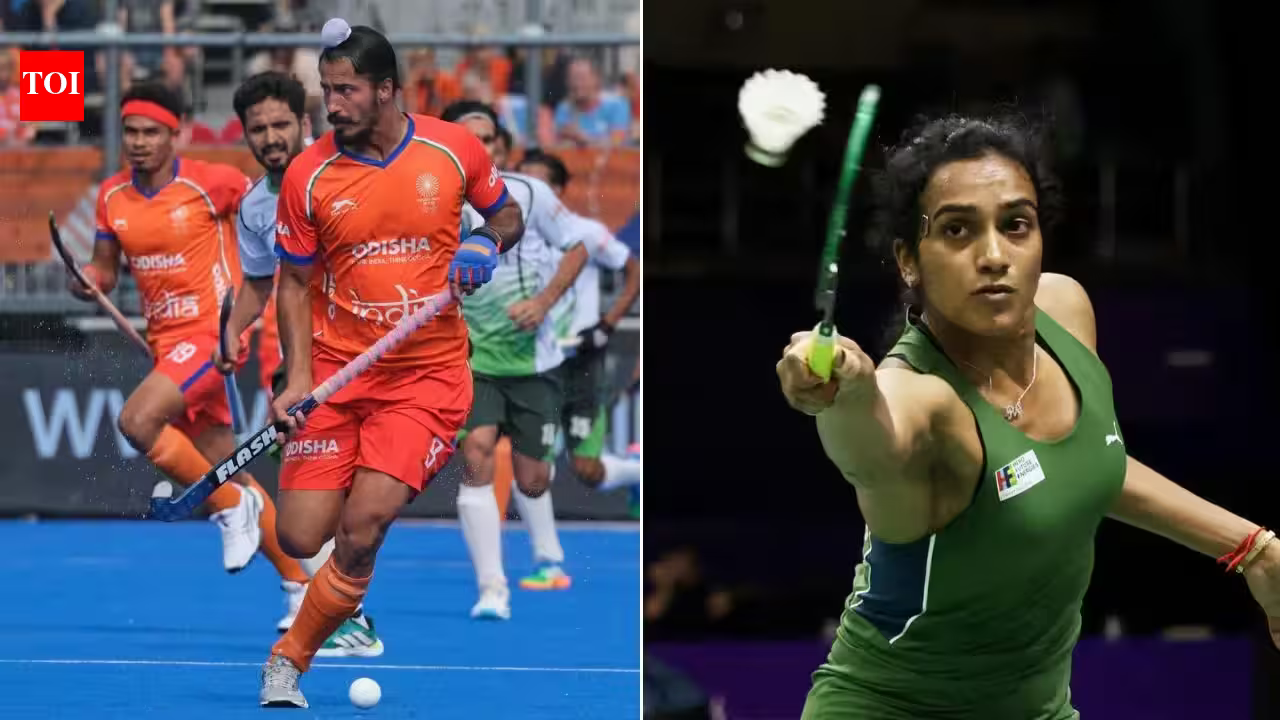
India’s performance in team sports will be central to its final standing in the medal table. The men’s and women’s hockey teams, always a focal point of national expectation, are scheduled for their initial pool encounters beginning on September 20. Similarly, the cricket squads—a discipline of immense national interest—will begin their campaigns in the latter half of the month, with the women’s quarter-finals slated for September 18 and the men’s knockout phases culminating in early October.
The kabaddi teams, traditionally a bastion of Indian dominance, will look to reclaim and solidify their territorial authority against regional rivals starting September 21, with final medal rounds scheduled for September 27.
A Test of Maturity
As the games progress into the final week, the focus shifts to the marquee finals. The closing days, from October 1 to October 3, will feature the high-pressure medal matches for hockey, cricket, and wrestling—disciplines where India’s tactical development will be under the microscope.
The inclusion of modern sports such as esports (featuring eFootball) and the full spectrum of track cycling and sport climbing reflects the changing face of the Asian Games. For India, competing successfully in these newer arenas is just as critical as maintaining its traditional strongholds in shooting and archery.
As the athletes prepare for the Opening Ceremony, the message from the leadership is clear: the road to 2036 begins in Aichi-Nagoya. Achieving another 100-medal haul would be a powerful signal of intent, proving that India’s sporting resurgence is not merely a collection of isolated triumphs, but a sustained climb toward the pinnacle of global sport. The pressure is immense, the schedule is grueling, but for a nation hungry to join the elite, this is the stage where the future is written.
Disclaimer: This content is auto-generated for informational purposes only.
Source: Read Original News