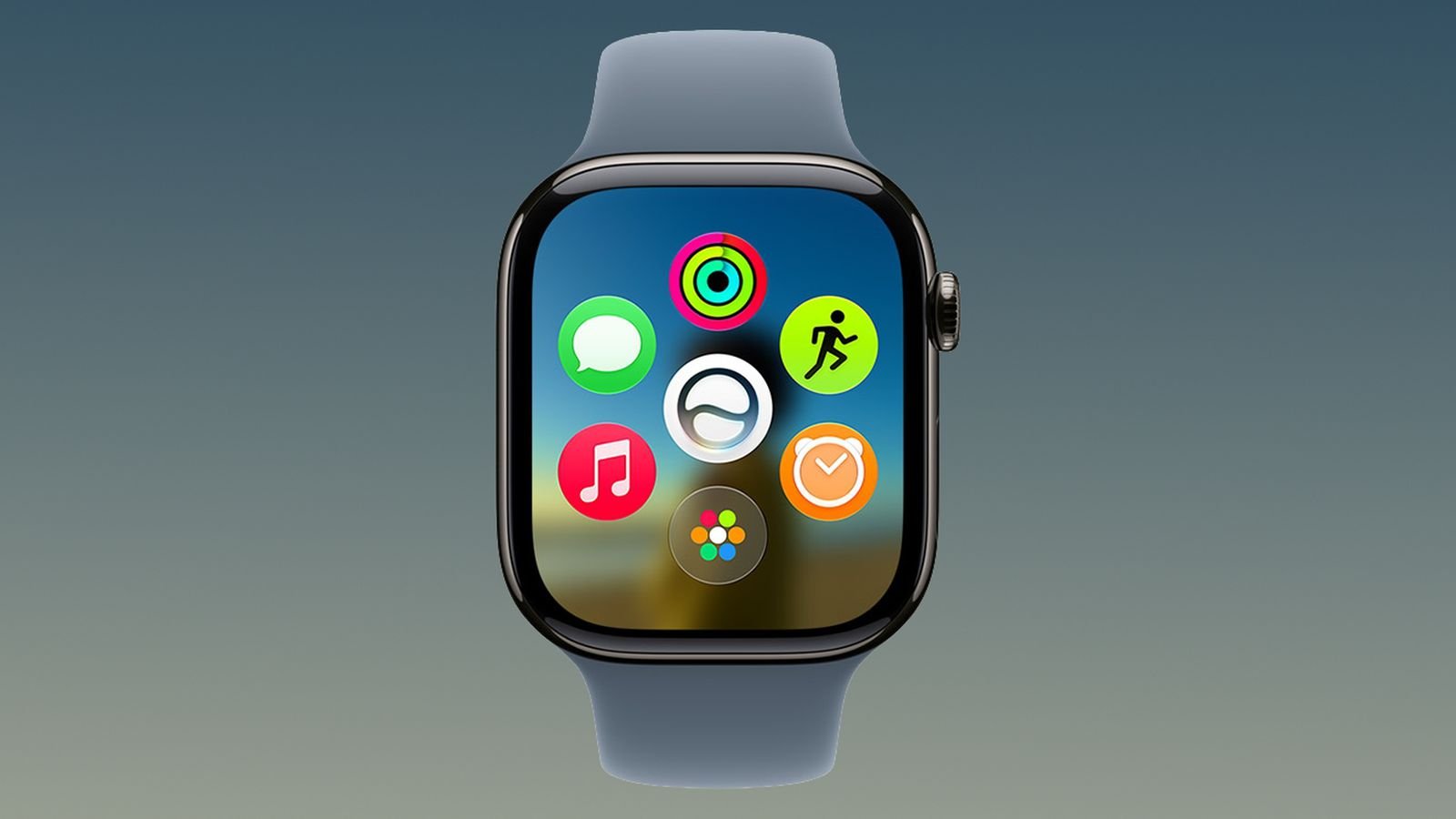







The Apple Watch Series 12 appears visually identical to its predecessors, maintaining the familiar design, button layout, and screen sizes that have defined the product line for years. However, beneath the chassis, Apple has implemented a fundamental architectural shift. The device serves as a bridge between the current era of health tracking and a future defined by ambient, artificial intelligence-driven assistance. By updating the internal components and sensor array, Apple is positioning the Series 12 to compete with specialized AI-integrated wearables while attempting to establish new standards for data privacy.
Revamped Hardware and Sensing
The primary engineering change in the Series 12 and the Ultra 4 is the integration of the S11 chip. This new silicon includes a dedicated secure enclave designed specifically for processing microphone data locally, alongside a faster CPU, GPU, and Neural Engine. Beyond the processing power, the sensor array has been entirely redesigned. While the types of data collected remain consistent with previous models, the mechanism for collection has been overhauled.
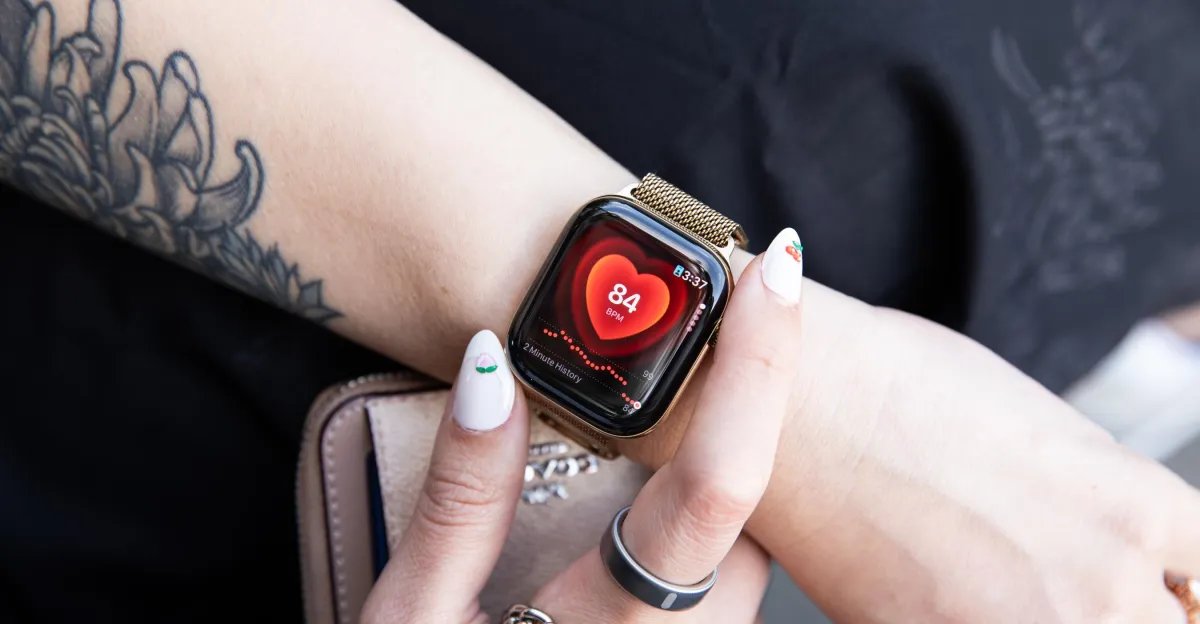
The device features larger electrodes for more reliable skin contact during EKG readings, reconfigured photodiodes for improved light capture, and more efficient optical LEDs. These changes enable the watch to sample health metrics more frequently and with greater energy efficiency. Specifically, the Series 12 now supports truly continuous heart rate monitoring, sampling every five seconds rather than the previous five-minute intervals. This hardware shift brings Apple into parity with other industry leaders, providing a more granular data set for users managing chronic health conditions.
The Introduction of Readiness Metrics
Apple has finally introduced a native readiness score to the watchOS ecosystem. This metric, which synthesizes overnight, daytime, and weekly data, aims to quantify how well an individual has recovered from physiological stress. The score leverages a new recovery heart rate variability (HRV) calculation, which relies on the increased frequency of the updated sensor array. By aggregating variables such as respiratory rate, resting heart rate, and wrist temperature, the system provides a single, digestible number from 0 to 10 that guides users on whether to push through a workout or prioritize rest.
This development serves as a direct response to established competitors like Oura and Whoop. By consolidating multiple health data points into a single actionable insight, Apple is catering to users who want a high-level summary of their physical state without needing to parse raw numbers. While the score takes seven days of data to generate, its inclusion signals a shift toward more personalized, proactive health coaching.
Audio Intelligence and Ambient Computing
The most controversial and ambitious addition to the Series 12 is the suite of ambient listening tools branded as “Audio Intelligence.” Powered by the S11 chip, these features utilize the microphone to perform real-time sound analysis. While features like “Live Rewind” and “Siri Recap”—which provide transcripts and summaries of daily conversations—are slated for a later software update, other capabilities are available at launch.
Enhanced Shazam integration allows for rapid music identification directly from the wrist, while sound recognition tools provide accessibility alerts for specific environmental noises like sirens or alarms. These features operate on an opt-in basis, reflecting Apple’s strategy to mitigate privacy concerns surrounding ambient listening. By framing these tools as accessibility and utility functions rather than passive surveillance, the company is attempting to navigate the ethical challenges that have historically plagued AI-centric wearable technology.
Performance and Longevity
In practical testing, the S11 chip delivers a noticeable boost to responsiveness, particularly for Siri queries, which process with less latency than on the Series 11 or Ultra 3. Despite the increase in sensing frequency and processing capabilities, the device maintains its 24-hour battery estimate. Apple continues to prioritize fast-charging technology as the solution to daily usage demands. By reducing the time required to regain a full charge, the device can effectively support comprehensive health tracking, provided users integrate charging into their daily routines.
Looking forward, the upcoming release of a redesigned Health app will further expand the functionality of the Series 12. This software update will introduce longevity-focused tools, including a “Health Age” score and deeper diagnostic insights. While the hardware available today is a significant upgrade, it is clearly intended to serve as a foundation for these forthcoming software features.
For current users, the decision to upgrade depends on their existing hardware. Owners of a Series 6 or earlier will see meaningful benefits in performance, sensor accuracy, and connectivity. Those with newer models, however, may find the current iteration serves primarily as a platform for future AI-driven software improvements. Ultimately, the Series 12 represents a calculated evolution: it delivers immediate, high-quality health metrics today while setting the stage for more invasive, and potentially transformative, AI-powered interactions in the coming months.
Disclaimer: This content is auto-generated for informational purposes only.
Source: Read Original News