






The Strategic Significance of the NSE Public Offering
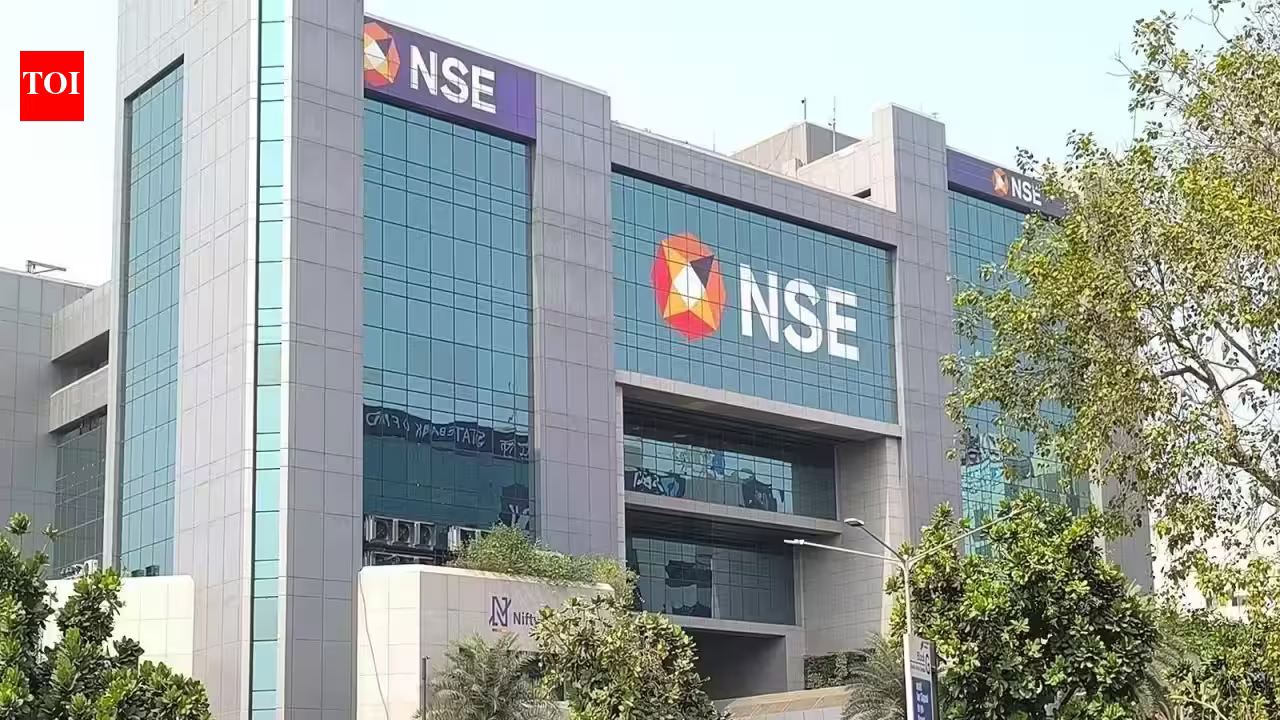
The entry of the National Stock Exchange (NSE) of India into the public markets through a $2.3 billion initial public offering (IPO) represents a watershed moment for the Indian financial ecosystem. As the largest stock exchange in the country by turnover, the NSE serves as the primary engine for capital formation and liquidity. This offering is structured as an offer-for-sale, allowing existing shareholders to divest their holdings while providing a long-awaited opportunity for public participation in the equity of the exchange itself.
The initial subscription of 42% on the first day of bidding reflects a measured response from the market. While some observers might interpret this as a lukewarm reception, a broader analysis suggests that institutional investors often calibrate their participation toward the final days of a subscription window. Furthermore, the presence of major sovereign wealth funds—including those from Norway and Abu Dhabi—within the anchor investor book indicates strong foundational confidence in the exchange’s long-term business model. The valuation target, currently set at approximately $46 billion, reflects a recalibration from earlier roadshow projections, demonstrating management’s effort to align expectations with current market realities and potential regulatory headwinds.
Market Dynamics and Competitive Pressures
The NSE’s IPO arrives during a period of intense activity in the Indian primary market, where a high frequency of public issues is currently competing for capital. While the NSE holds a dominant position in the cash and derivatives segments, it faces a shifting competitive landscape. Traditionally, the NSE has enjoyed near-total dominance in equity derivatives. However, recent regulatory interventions, particularly those issued by the Securities and Exchange Board of India (SEBI), have aimed to balance the market ecosystem.
A critical factor influencing investor sentiment is the narrowing market share in index options trading. The regulatory mandate that limits each exchange to a single weekly expiry day has naturally created an environment where the BSE, having aggressively incentivized its platform, has gained ground. This shift signifies a maturation of the Indian trading landscape, where retail and institutional participants are increasingly sensitive to transaction costs, platform stability, and the specific regulatory frameworks governing each exchange. For the NSE, the challenge lies in defending its leadership position while navigating a policy environment that prioritizes market stability and risk mitigation over unchecked volume growth.
Regulatory Challenges and Future Headwinds
Any analysis of the NSE’s financial prospects must account for the impact of future regulatory adjustments. The announcement regarding a higher Securities Transaction Tax (STT) scheduled for implementation in April 2026 is a primary concern for investors. This fiscal adjustment is expected to influence trading volumes, particularly in the high-frequency and speculative segments that contribute significantly to exchange revenues. When trading becomes more expensive for participants, the velocity of capital turnover often decreases, directly impacting the transaction-based revenue models that underpin the financial performance of global exchanges.
Furthermore, the NSE must manage the broader macroeconomic environment. While the Indian economy remains a high-growth destination for global capital, the exchange’s performance is intrinsically linked to market sentiment and the overall health of the domestic investor base. The increase in retail participation, while a major success story for the NSE over the past decade, also introduces greater volatility during periods of market correction. Balancing the needs of retail participants, who are increasingly tech-savvy and price-sensitive, with the requirements of large institutional players requires a robust and scalable infrastructure that is also cost-effective.
Investor Sentiment and Valuation Realignment
The decision to target a valuation 15% to 20% lower than initial roadshow estimates is a tactical move that acknowledges current market conditions. By setting a more realistic price, the NSE and its stakeholders are clearly attempting to leave room for potential appreciation in the secondary market. This pricing strategy is also a reaction to the cooling of speculative activity in the options market. As a public entity, the NSE will need to communicate its growth strategy more clearly to shareholders who are accustomed to observing its operations from the outside but may be less familiar with the nuances of exchange-level revenue drivers.
The current subscription numbers, segmented by category, provide a snapshot of this sentiment. Non-institutional investors have shown a relatively stronger interest compared to the cautious approach of qualified institutional buyers. This is a common pattern in Indian IPOs, where non-institutional bidders often front-load their applications to secure allotments in highly anticipated listings. The institutional cohort, however, remains disciplined, likely awaiting further market signals and assessing the long-term impact of regulatory mandates before committing significant capital.
Strategic Outlook for the NSE
Looking beyond the immediate mechanics of the IPO, the long-term outlook for the NSE remains anchored by its indispensable role in the Indian economy. As India moves toward a $5 trillion GDP target, the depth and breadth of the capital markets are expected to grow in tandem. The NSE is not merely a trading platform; it is a critical piece of national financial infrastructure. Its ability to innovate—through the introduction of new asset classes, the expansion of its digital footprint, and the maintenance of a robust clearing and settlement system—will determine its future profitability.
The transition to a publicly traded company will inevitably bring a new level of scrutiny and reporting requirements. The exchange will need to demonstrate consistent growth, even as it faces tighter margins and evolving competition from the BSE. For investors, the IPO is less about short-term gains and more about capturing a stake in the infrastructure that sustains the nation’s financial activities. As the subscription window concludes, the final tally will reveal the market’s collective assessment of the NSE’s ability to navigate the transition from a private, dominant monopolist to a transparent, publicly listed entity that must justify its market value to a diverse and demanding shareholder base. The success of this IPO will serve as a benchmark for the resilience of the Indian primary market and the enduring appetite for institutional-grade financial assets in the region.
Disclaimer: This content is auto-generated for informational purposes only.
Source: Read Original News