





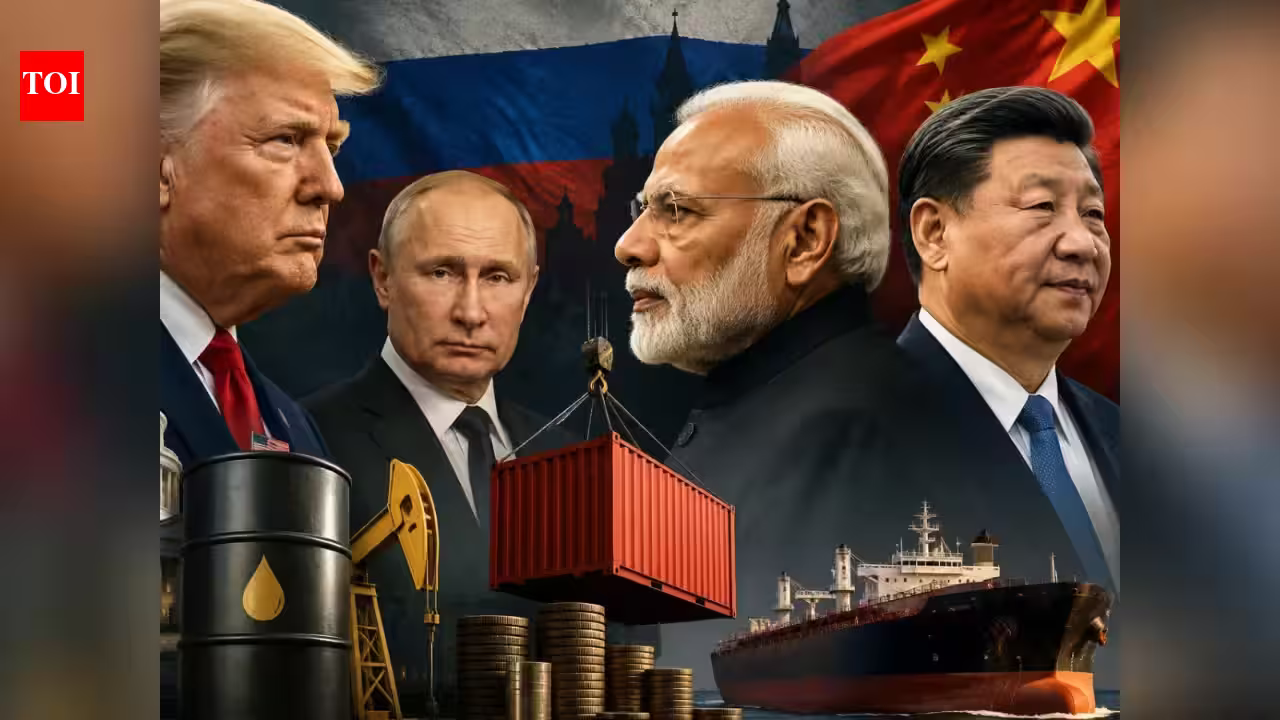
The passage of the Lindsey O. Graham Sanctioning Russia and Iran Act of 2026 by the United States Congress marks a significant shift in the landscape of global trade and energy geopolitics. By providing the executive branch with the authority to impose tariffs of up to 100 percent on the top five importers of Russian petroleum and natural gas, the United States has introduced a mechanism that directly challenges the energy procurement strategies of major emerging economies. For India, a nation that has strategically recalibrated its energy imports to ensure affordability for its massive domestic market, this legislation creates a complex environment requiring a delicate balance between diplomatic relations and sovereign economic priorities.
India’s Strategic Energy Calculus and Economic Sovereignty
For India, the primary objective remains the stability of its energy supply chain. With an import dependency exceeding 88 percent for crude oil, the Indian government has prioritized cost-effective sourcing to insulate its economy from global price volatility. In recent years, Russia has emerged as a cornerstone of this strategy. Data indicates that Russia now accounts for a substantial portion of India’s total crude imports, significantly displacing traditional suppliers from the Gulf region. This shift was not merely a matter of convenience but a calculated move based on commercial competitiveness and the need to manage inflationary pressures at home.
The Indian Ministry of External Affairs has adopted a resolute stance, emphasizing that the country will take all necessary measures to protect its trade interests. By clearly communicating its position to US interlocutors, India has underscored that its energy policy is dictated by the needs of its 1.4 billion citizens rather than external geopolitical mandates. Analysts, including those from the Global Trade Research Initiative, suggest that India should maintain its current trajectory regarding Russian oil purchases, provided they remain commercially viable. The underlying message is one of autonomy: India’s energy security should not be compromised by the threat of unilateral trade barriers, nor should it grant unsustainable trade concessions under duress.
Geopolitical Implications and the Stance of Key Stakeholders
The reactions from Moscow and Beijing to the US legislation highlight the broader systemic friction caused by Washington’s move. The Kremlin has characterized these potential tariffs as unfriendly actions, suggesting that such economic pressure serves to complicate the already stalled peace process in Ukraine. By targeting Russia’s so-called “shadow fleet”—the network of tankers used to bypass existing maritime restrictions—the US is attempting to tighten the economic vise on Moscow’s defense and financial infrastructure. However, Russia views these measures as impediments to any potential settlement, potentially hardening its position in ongoing negotiations.
China, meanwhile, has taken a firm stand against what it terms “long-arm jurisdiction.” Beijing’s rejection of the US legislation is rooted in the principle that international trade should not be subject to interference from third parties. As the largest importer of Russian energy, China has already integrated its logistics through extensive cross-border pipeline networks, making its energy relationship with Russia distinct from the maritime-reliant supply chains of other nations. China’s rhetoric signals a growing intolerance for unilateral sanctions that lack a United Nations mandate, reflecting a broader trend of major non-Western economies seeking to insulate their trade corridors from US domestic legislative reach.
Analyzing the Mechanics of the US Legislation
The legislation itself is a sophisticated instrument of economic statecraft. While it does not automatically trigger the 100 percent tariff, it establishes a statutory pathway for the administration to deploy these measures against the five largest importers of Russian energy. The bill provides narrow exemptions, specifically for nations that import less than 15 percent of Russian natural gas and can demonstrate substantial, ongoing efforts to reduce these dependencies.
This structure is designed to provide the US President with immense leverage in bilateral trade negotiations. By keeping the threat of extreme tariffs on the table, the US administration seeks to force these nations to choose between continued access to the American market and their current energy partnerships with Russia. The inclusion of an extension for sanctions on Iran further consolidates this legislative package as a comprehensive strategy aimed at curbing the revenue streams of perceived adversaries. For countries like India, the challenge lies in the uncertainty of the implementation timetable and the specific product categories that might be targeted by these potential tariffs.
Navigating the Uncertain Future of Global Energy Trade
As the legislation moves toward enactment, the focus shifts to how the US administration will calibrate its use of this newfound authority. If tariffs were to be imposed, the ripple effects would be felt far beyond the energy sector. A 100 percent tariff on goods from major economies would disrupt global supply chains, affecting industries ranging from pharmaceuticals to information technology. Indian trade bodies and the government are currently assessing the potential impact, preparing to engage in intense negotiations to avoid scenarios that could damage bilateral commerce.
The situation calls for a nuanced diplomatic approach. India has historically navigated competing global pressures by maintaining a policy of strategic autonomy. The current challenge is to ensure that this policy remains effective in an era where energy security is increasingly viewed by Washington through a national security lens. The government’s commitment to “diversified sourcing” suggests that India is already planning for a future where energy reliance is spread across multiple regions to mitigate the risk of shocks from any single source.
Conclusion: The Necessity of Prudent Diplomacy
The Lindsey O. Graham Sanctioning Russia and Iran Act of 2026 acts as a litmus test for the resilience of international trade relations. As the world watches to see if the US will translate this legislative authority into actual tariff implementation, the focus for India remains on the preservation of its economic fundamentals. While the threat of punitive trade measures is significant, it also provides an impetus for India to accelerate its efforts in refining its energy sourcing and strengthening its internal economic capabilities.
Ultimately, the goal for Indian policymakers is to ensure that the country’s progress toward a high-growth economy is not derailed by shifts in external geopolitical priorities. Whether through diversified imports, local production enhancements, or robust diplomatic engagement, India’s response will likely be defined by a pragmatic assessment of its national interests. The unfolding scenario reinforces the reality that in the contemporary global market, energy security and economic prosperity are inseparable, and maintaining a firm hold on both is the hallmark of effective statecraft.
Disclaimer: This content is auto-generated for informational purposes only.
Source: Read Original News