







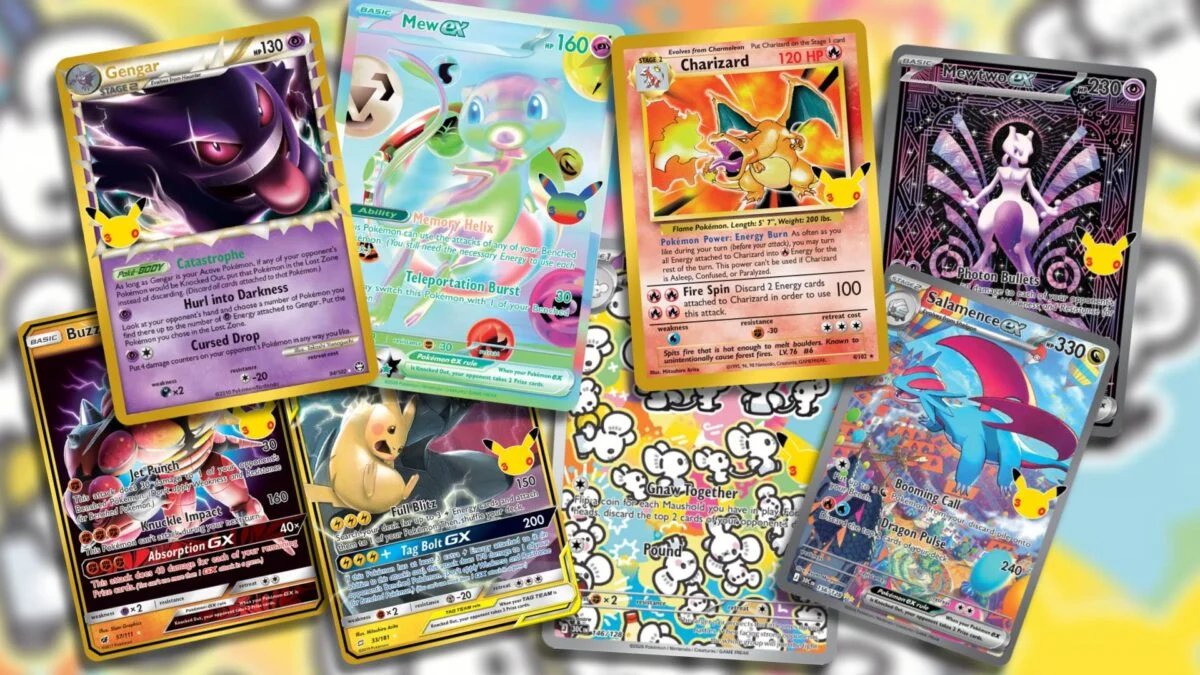
The release of the Pokémon Trading Card Game (TCG) 30th Anniversary celebration set has arrived with a significant structural shift that has effectively disrupted the resale market. Early data indicates that this set is providing the most generous pull rates seen in the hobby in years, drawing immediate comparisons to the beloved Crown Zenith era. Despite a reduction in the number of cards per pack—mirroring the Japanese release format—the frequency of high-value hits has soared, making rare cards significantly more accessible to the average collector.
A Shift in Pack Composition and Distribution
For the first time, international markets are receiving this set simultaneously with Japan, adopting the five-card pack configuration. While a smaller pack size might logically suggest a lower probability of pulling rare cards, the actual distribution rates tell a different story. Every card in each pack is holofoil, and the inclusion of a guaranteed holo energy card, along with a dedicated subset of thirty Pikachu cards, ensures a baseline of perceived value for every purchase. Beyond these constants, the set features a diverse array of rarities, ranging from standard ex cards to Illustration Rares (IRs) and Special Illustration Rares (SIRs). This democratization of high-quality prints represents a departure from the recent trend of flooding sets with base-level cards while keeping chase cards statistically out of reach.
The Impact of Increased Pull Rates
Data aggregated from hundreds of pack openings shows a notable trend: collectors are seeing a better than one-in-two chance of obtaining an ex card or higher. The frequency of Special Illustration Rares, which have been notoriously difficult to locate in recent sets, has jumped to approximately five percent. This is roughly four to five times higher than the rates observed in previous Scarlet and Violet cycles. Illustration Rares are also appearing twice as often, appearing in one out of every five packs. This change has a direct impact on the hobby, as it allows collectors to fill their binders with premium art without relying on the secondary market. By increasing the supply of these desirable cards, the set inherently reduces the incentive for scalpers to hoard products, as the market value for individual cards drops to more sustainable levels.
Market Correction and Economic Implications
The immediate consequence of these improved odds has been a rapid deflation of resale prices. High-end chase cards, such as the new Future Rare versions of Mew and Mewtwo, saw initial price spikes upon release, only to plummet shortly after as the volume of cards entering circulation increased. For instance, cards that were initially listed at $1,000 have already stabilized closer to $150. This cooling effect is a direct result of players and collectors successfully pulling these items from their own packs. By making the “chase” achievable, the manufacturer has effectively curbed the predatory pricing models that have plagued the TCG community for the past two years, moving the market away from a speculative bubble toward a more traditional hobbyist focus.
The Allure of the Classic Collection and Hidden Rarity
While general pull rates are high, the set maintains a layer of exclusivity through its Classic Collection. This series features thirty fan-favorite cards from the last three decades, bridging the gap between legacy players and modern collectors. From the original base set holo Charizard to more contemporary hits like the Paldea Evolved Magikarp, these reprints provide a sense of history that caters to long-term fans. Additionally, the set contains three highly elusive “RGB Mew” cards. These cards are so rare that they occupy a status similar to mythical items; unofficial estimates suggest they may appear only once in every 20,000 packs. By balancing generous base-pull rates with extreme “lottery-tier” rarities, the set satisfies both the casual collector looking for art and the high-end enthusiast hunting for elusive treasures.
Future Outlook for the TCG Ecosystem
The current success of the 30th Anniversary set prompts questions regarding the long-term strategy of The Pokémon Company International. The industry previously witnessed a similar high-quality experience with the Crown Zenith set, which was unfortunately followed by a return to more restrictive, less rewarding release formats. Whether this 30th Anniversary update represents a permanent pivot in design philosophy or a temporary calibration for a milestone event remains to be seen. However, the current data suggests that increasing the availability of desirable cards does not destroy the hobby; rather, it stabilizes it by encouraging participation over speculation. As the community waits for formal, large-scale statistical analysis to confirm these early findings, the immediate results offer a rare moment of relief for players who have grown weary of inflated market costs and diminishing returns on investment. For now, the hobby is experiencing a brief period of parity where the enjoyment of opening packs aligns with the actual statistical probability of success.
Disclaimer: This content is auto-generated for informational purposes only.
Source: Read Original News