








A generational leap in Apple engineering
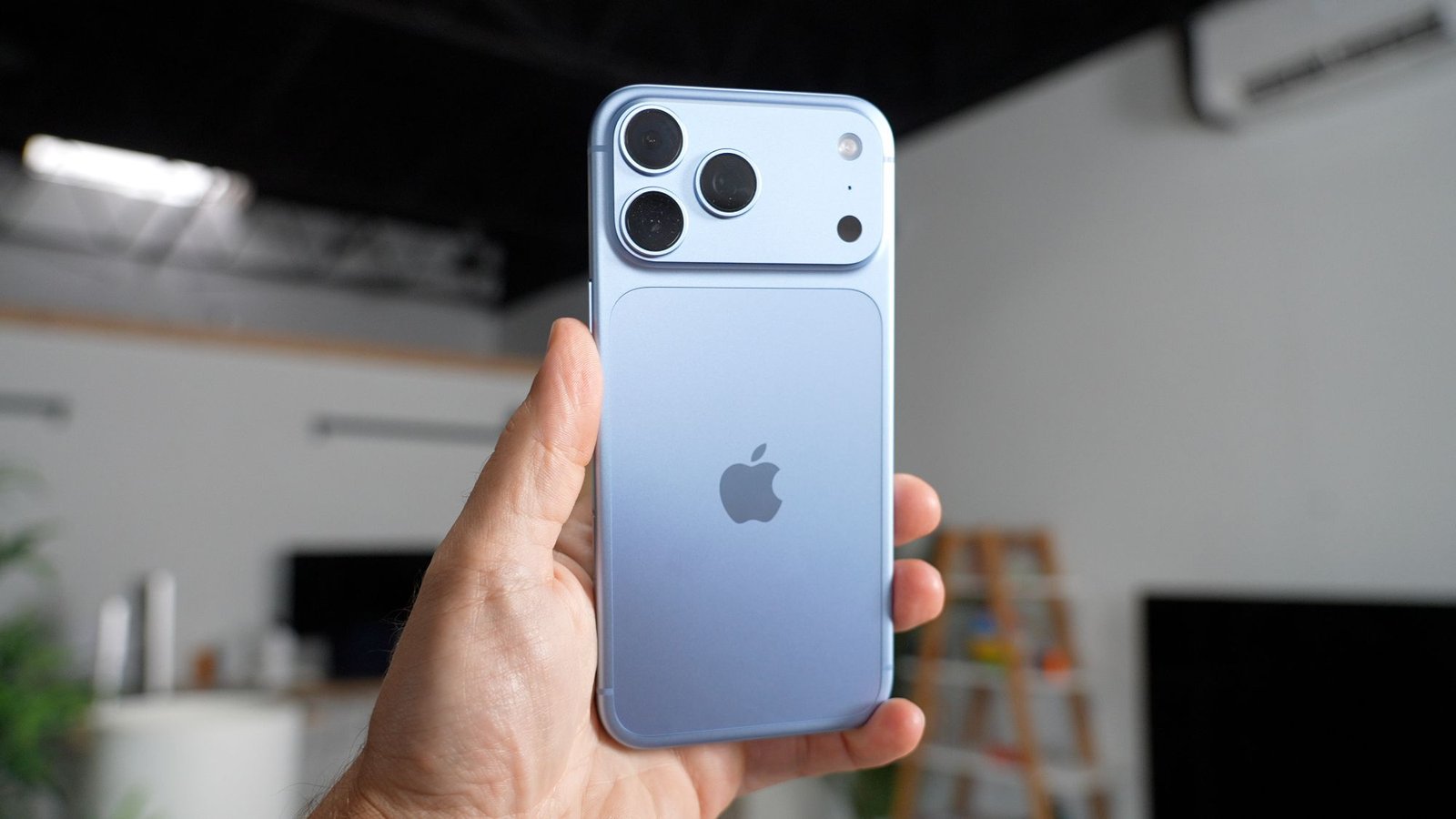
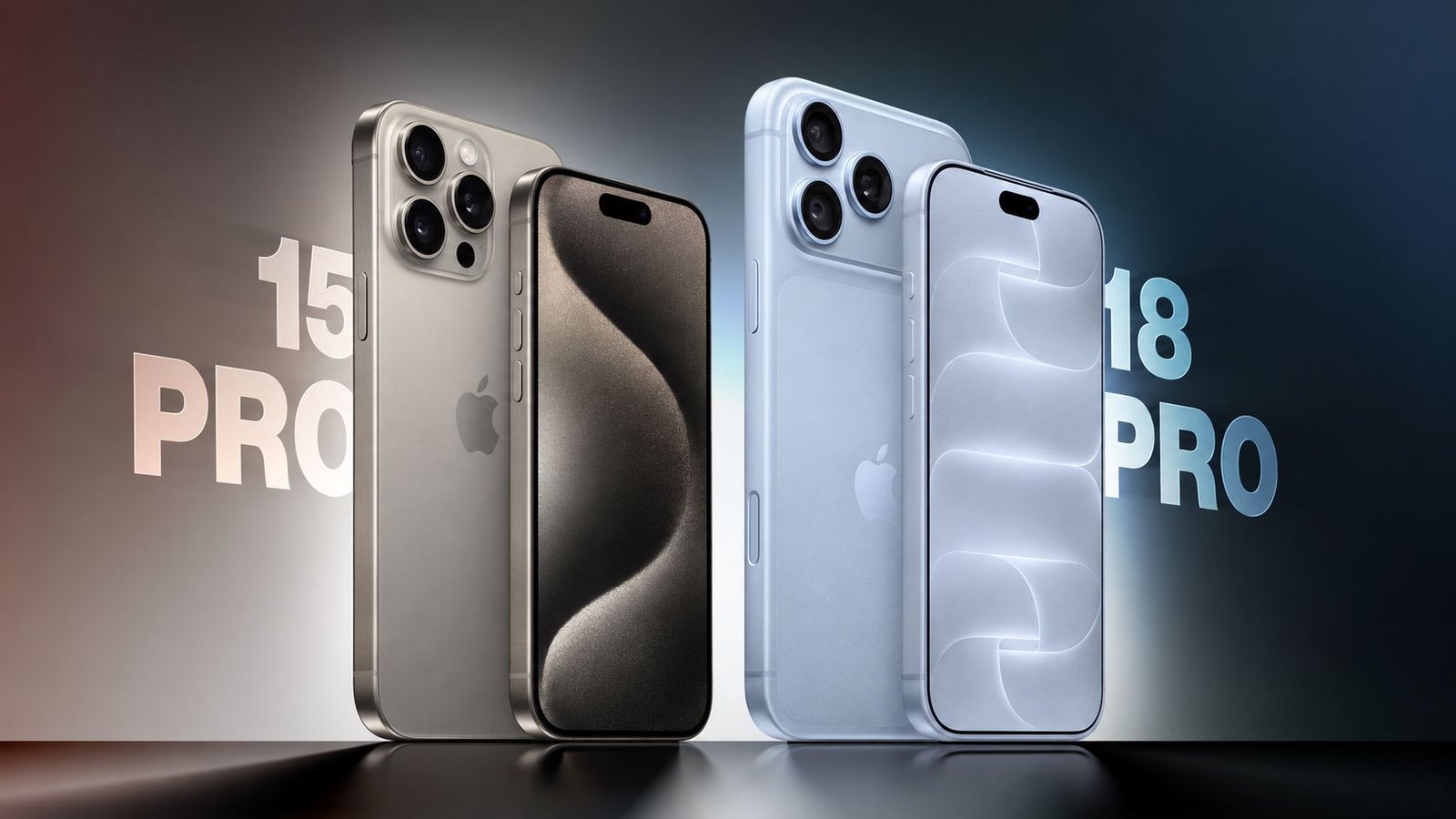
The launch of the iPhone 18 Pro and iPhone 18 Pro Max marks a significant departure from the hardware standards established by the iPhone 15 Pro series. While the latter utilized a brushed titanium design, the iPhone 18 Pro shifts to an aluminum unibody construction coupled with a partial Ceramic Shield back. This design pivot is not merely aesthetic; it is fundamentally engineered to improve thermal dissipation. By pairing this with an advanced internal vapor chamber that features triple the surface area of the previous generation, Apple has created a device capable of sustained high-performance tasks—such as intensive gaming and professional-grade video rendering—without the throttling issues that can plague compact hardware.
The display technology has also seen a drastic overhaul. While the iPhone 15 Pro offered a 6.1-inch screen, the 18 Pro provides a 6.3-inch panel with significantly thinner borders. The peak brightness has increased by 50 percent, reaching 3,000 nits, which ensures visibility under direct, harsh sunlight. Complementing this is the integration of an anti-reflective coating that works alongside the updated Ceramic Shield 2 to significantly reduce glare and enhance scratch resistance.
Computing power and internal architecture
At the heart of the iPhone 18 Pro lies the A20 Pro chip, the first smartphone processor built on TSMC’s 2nm manufacturing process. This represents a substantial leap from the 3nm A17 Pro found in the iPhone 15 Pro. The A20 Pro introduces a new “super core” CPU architecture and a 7-core GPU that doubles the Neural Engine capacity to 32 cores, which is essential for the expanding demands of on-device machine learning and AI processing.
Memory performance has also been aggressively upgraded. The jump from 8GB of LPDDR5 RAM to 12GB of LPDDR5X memory increases bandwidth from 51.2Gb/s to a robust 115GB/s. This allows for seamless multitasking and provides the headroom necessary for high-resolution video editing and real-time ray tracing in games. Furthermore, the inclusion of the Apple N1 chip for connectivity replaces previous third-party solutions, bringing native support for Wi-Fi 7 and Bluetooth 6. This ensures that the device is future-proofed for high-speed network environments and next-generation wireless peripherals.
Variable aperture and professional photography
The camera system on the iPhone 18 Pro introduces a long-awaited feature: a variable aperture main camera. Using six laser-cut blades, users can now toggle between four physical aperture stops: ƒ/1.48, ƒ/1.8, ƒ/2.8, and ƒ/4.0. This allows for genuine optical depth-of-field control, rather than relying solely on software-based portrait modes. The sensor itself has been overhauled to include a 48-megapixel Ultra Wide and a 48-megapixel Fusion Telephoto lens.
The telephoto lens now provides 4x optical zoom, with the increased sensor resolution enabling high-fidelity 8x digital crops at 200mm. For creators, the addition of the Camera Control button is a major functional improvement. This capacitive sapphire crystal interface allows for physical adjustments to zoom, exposure, and white balance without the need to navigate touchscreen menus. This tactile approach is designed to simulate the experience of a dedicated mirrorless camera, allowing for precise control during fast-paced shooting sessions.
Video recording and professional production tools
The iPhone 18 Pro positions itself as a production-grade tool through a massive expansion in video capabilities. It now supports 4K Dolby Vision recording at up to 120 frames per second on the Fusion Main camera, a significant jump from the 60 frames per second limit of the iPhone 15 Pro. The inclusion of ProRes RAW capture and Genlock support suggests that Apple is targeting filmmakers who require seamless synchronization with studio-grade equipment.
Audio recording has received a similar upgrade, moving from standard stereo to a sophisticated four-mic array. This system supports Spatial Audio and includes advanced algorithms for “Audio Mix,” which can isolate voices from background music or ambient noise in real-time. These tools, combined with the new square-sensor front camera that enables “Center Stage” for automated framing, make the device a highly capable solution for mobile broadcast and professional content creation.
Battery efficiency and rapid charging
One of the most practical upgrades for daily users is the increase in battery capacity and charging speed. The iPhone 18 Pro Max, in particular, now accommodates a 5,391 mAh battery (in eSIM-only configurations), yielding up to 45 hours of video playback. This is a substantial gain over the 29-hour capability of the iPhone 15 Pro Max.
The transition to more efficient power management is mirrored by the charging infrastructure. The device now supports 60W wired charging, which can replenish 50 percent of the battery in roughly 15 minutes. Wireless charging has also been optimized, with MagSafe and Qi2 now supporting up to 25W of throughput. These changes address the primary pain point of smartphone longevity, ensuring that even with heavy daily use, the iPhone 18 Pro can comfortably last throughout the day without the need for midday power top-ups.
Assessment for potential upgraders
Deciding whether to upgrade depends on the current limitations experienced with the iPhone 15 Pro. If the device still satisfies the user’s requirements for daily tasks and the battery health remains sufficient, the iPhone 18 Pro serves as an evolution rather than an immediate necessity. However, for those who use their phone for mobile photography, video production, or as a primary gaming device, the accumulated differences are profound.
The weight gain—an increase of 24 to 28 grams—is a physical trade-off that users must weigh against the benefits of a larger screen, superior thermal management, and professional camera tools. Ultimately, the iPhone 18 Pro is a device designed for longevity, targeting users who want to push the boundaries of what a handheld device can accomplish in terms of both compute power and creative output.
Disclaimer: This content is auto-generated for informational purposes only.
Source: Read Original News