





Tensions in the Middle East reached a fever pitch on Friday as a series of explosive developments threatened to plunge the region into a wider conflict. A damning new report has concluded there are “reasonable grounds” to believe the United States was responsible for a devastating strike against a school in Minab, Iran, this past February.
The report, which has circulated rapidly among international observers, provides a potential catalyst for an escalating cycle of retaliation. The incident in Minab resulted in significant civilian casualties, and while Washington has historically denied involvement, the findings suggest the strike was a targeted tactical operation. The potential validation of these claims has placed immense diplomatic pressure on the Biden administration as it navigates a fragile geopolitical landscape.
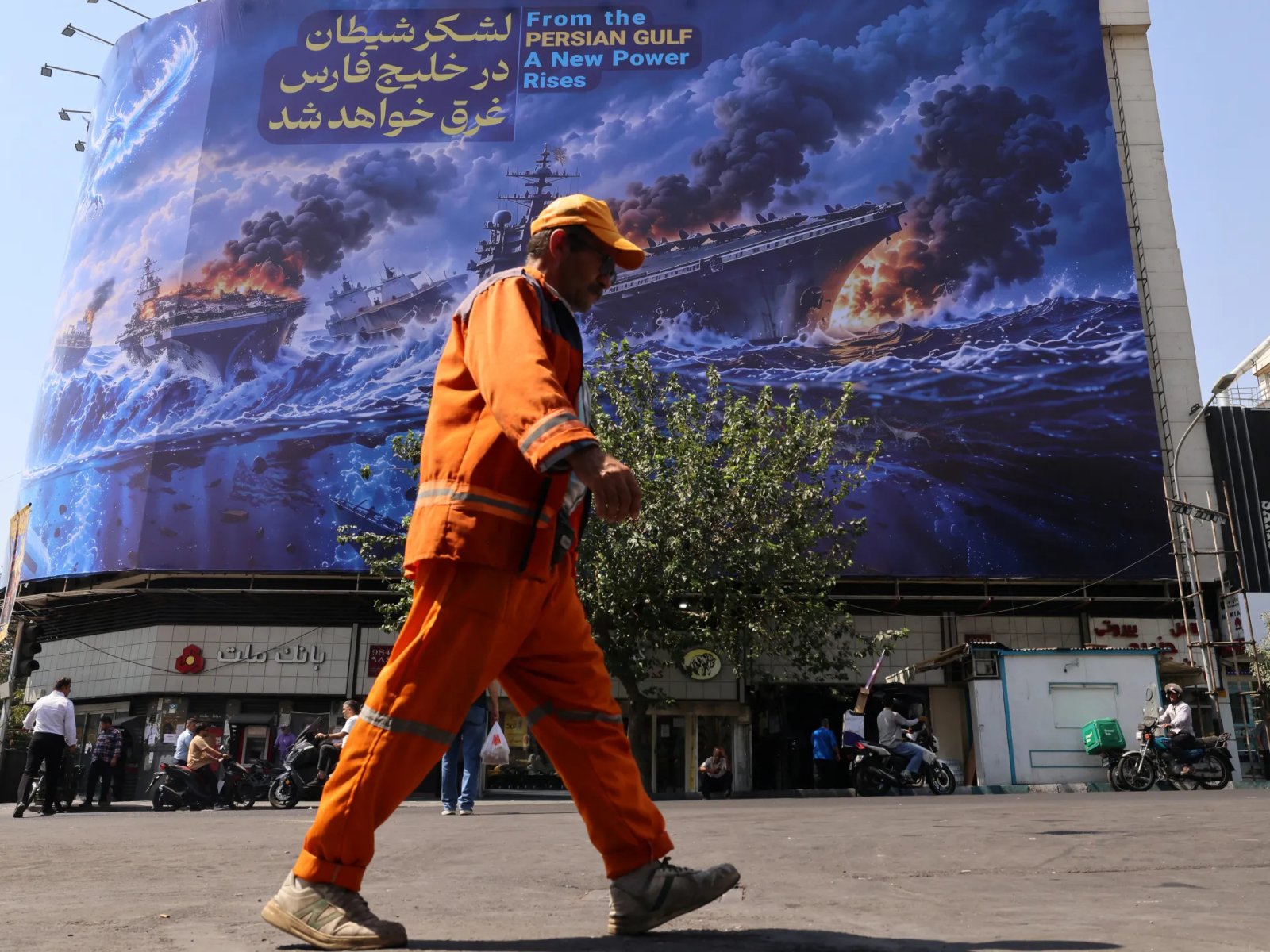
The news broke against the backdrop of an already volatile maritime standoff. In an announcement released on social media, the Islamic Revolutionary Guard Corps (IRGC) claimed responsibility for a direct strike against a tanker navigating the strategically vital Strait of Hormuz. The IRGC asserted that the move was a retaliatory measure, though details regarding the extent of the damage to the vessel and the status of its crew remain unconfirmed.
In Washington, the atmosphere is one of intense deliberation. Former President Donald Trump, currently weighing his options as the situation deteriorates, told supporters he is contemplating a “big decision” regarding the administration’s Iran policy. While official channels have been tight-lipped, sources close to the situation suggest the White House is currently convening emergency meetings to assess the dual impact of the Minab report and the tanker strike.
Market analysts are already sounding the alarm over the potential for a massive disruption in energy supplies. As news of the tanker attack filtered through global markets, oil prices saw an immediate and sharp uptick, reflecting deep-seated anxiety that the Strait of Hormuz—the world’s most critical oil chokepoint—could be sliding toward a state of active blockade.
The convergence of these events has created a perilous environment for global diplomacy. International bodies and regional leaders are calling for immediate de-escalation, fearing that the confirmation of the Minab strike, coupled with the IRGC’s aggressive posture in the Gulf, leaves little room for traditional negotiation. With the U.S. and Iran trading accusations and the threat of kinetic military action looming, the international community is bracing for what many analysts describe as a “critical inflection point” in the region’s long-standing instability.
As of late Friday, neither the U.S. State Department nor the Pentagon has issued a formal response to the report’s findings, and the situation on the ground in Hormuz remains fluid as naval assets from multiple nations reportedly move into position to monitor the area.
Disclaimer: This content is auto-generated for informational purposes only.
Source: Read Original News