







The Evolving Landscape of Game Platform Announcements
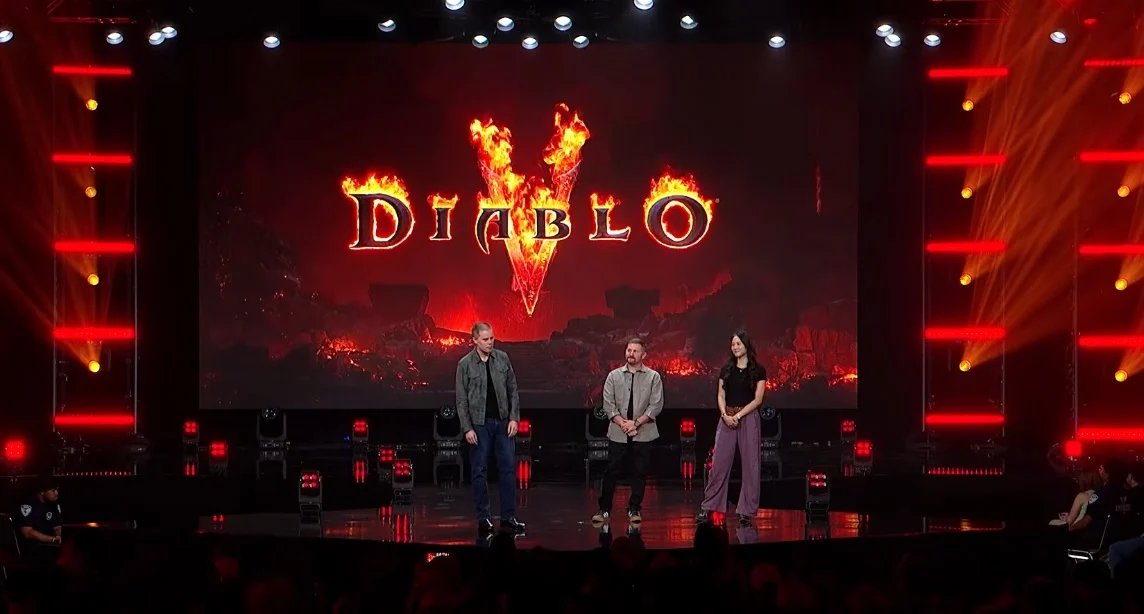
The modern gaming industry is defined by high-stakes reveals, where the announcement of a title often carries as much weight as the technical specifications of the hardware running it. Recent events at BlizzCon 2026 have highlighted a growing disconnect between traditional communication strategies and the expectations of a digitally native audience. When major studios like Blizzard Entertainment introduce long-awaited sequels such as Diablo 5 and a new StarCraft entry, the silence surrounding supported hardware creates a vacuum that invites speculation and confusion.
The recent exchange between design leads and the press regarding the availability of Diablo 5 serves as a microcosm of this issue. While the development team remains officially reticent about platform lineups, off-the-cuff remarks from staff suggest that the PC remains a foundational element of the franchise’s future. However, the intentional withholding of a formal platform list creates a problematic experience for users who rely on technical compatibility to plan their future hardware purchases or software ecosystems.
The Paradox of PC Port Confirmation
For titles with deep historical roots in personal computing, such as the Diablo series, the absence of a confirmed PC version feels counterintuitive. Blizzard’s Diablo series has defined the action-RPG genre on desktop systems for decades. When executives perform a dance of ambiguity regarding the PC version, it risks undermining the brand loyalty of the platform’s core demographic.
The “leaked” confirmation of the PC version of Diablo 5, uttered by a staff member during a press conference, underscores a fundamental truth: some platforms are so inextricably linked to a franchise’s identity that failing to mention them feels like a marketing misstep. Technical development for modern cross-platform titles is almost always centralized on high-end PC architecture before being scaled for consoles. Therefore, pretending a PC version is not a certainty is not just technically inaccurate; it is an obsolete communication strategy that frustrates stakeholders and creates unnecessary uncertainty in the marketplace.
Discrepancies in Multi-Platform Strategy
Perhaps more confusing than the PC ambiguity is the sporadic announcement of console support for the upcoming StarCraft project. The revelation of an Xbox release via a regional social media account—rather than a primary global press release—demonstrates a fragmented approach to platform deployment. With a projected launch in 2030, the strategic decision to confirm hardware support this early for one platform, while remaining silent on the game’s presence on other hardware or PC, is highly irregular.
This approach complicates the broader market picture. Industry observers are left to wonder if the StarCraft title will feature cross-play, cross-progression, or unique hardware-specific optimizations. By isolating the Xbox announcement, the studio has failed to provide a cohesive vision for how these games will function within the broader gaming ecosystem. For developers and hardware manufacturers alike, providing clarity on hardware target parameters is essential for maintaining momentum throughout the long development cycles that now characterize AAA gaming.
Technical Implications and Development Cycles
Building games like Diablo 5 for a 2029 release involves immense investment in engine scalability. Modern game development relies on modular assets that can be rendered across a wide spectrum of computational power, ranging from handheld devices to high-end desktop workstations. The internal struggle to define a platform list at such an early stage likely stems from the fluid nature of cloud gaming, hardware iteration cycles, and licensing agreements with console manufacturers.
However, from an engineering standpoint, the decision to remain quiet on platforms does not change the reality of the development pipeline. Whether the final product is played on a high-end graphics card or a console chip architecture, the game’s performance profile is determined years in advance. The reluctance to commit to these platforms suggests a business-side strategy—likely revolving around competitive marketing timing—that conflicts with the transparency developers typically owe their communities regarding technical availability.
Looking Ahead to 2029 and Beyond
As players look toward the late 2020s, the expectation for seamless, platform-agnostic gaming has never been higher. The industry is shifting away from platform exclusivity toward a model that favors widespread accessibility. Despite the confusing messages emanating from BlizzCon 2026, it is highly probable that both Diablo 5 and the new StarCraft title will be released on a comprehensive suite of hardware, including PC and all major consoles.
The challenge for studios moving forward is to bridge the gap between their formal corporate statements and the reality of their development goals. A “we will share details when ready” approach, while safe for PR departments, does little to mitigate the frustration of an audience waiting nearly half a decade for a sequel. Providing a clear roadmap regarding platform support would allow fans to invest in the ecosystems of their choice, ultimately fostering a healthier, more predictable environment for everyone involved in the gaming industry. For now, the community must parse these subtle clues and accidental revelations to form a picture of the future, despite the unnecessary complexity imposed by current communication strategies.
Disclaimer: This content is auto-generated for informational purposes only.
Source: Read Original News