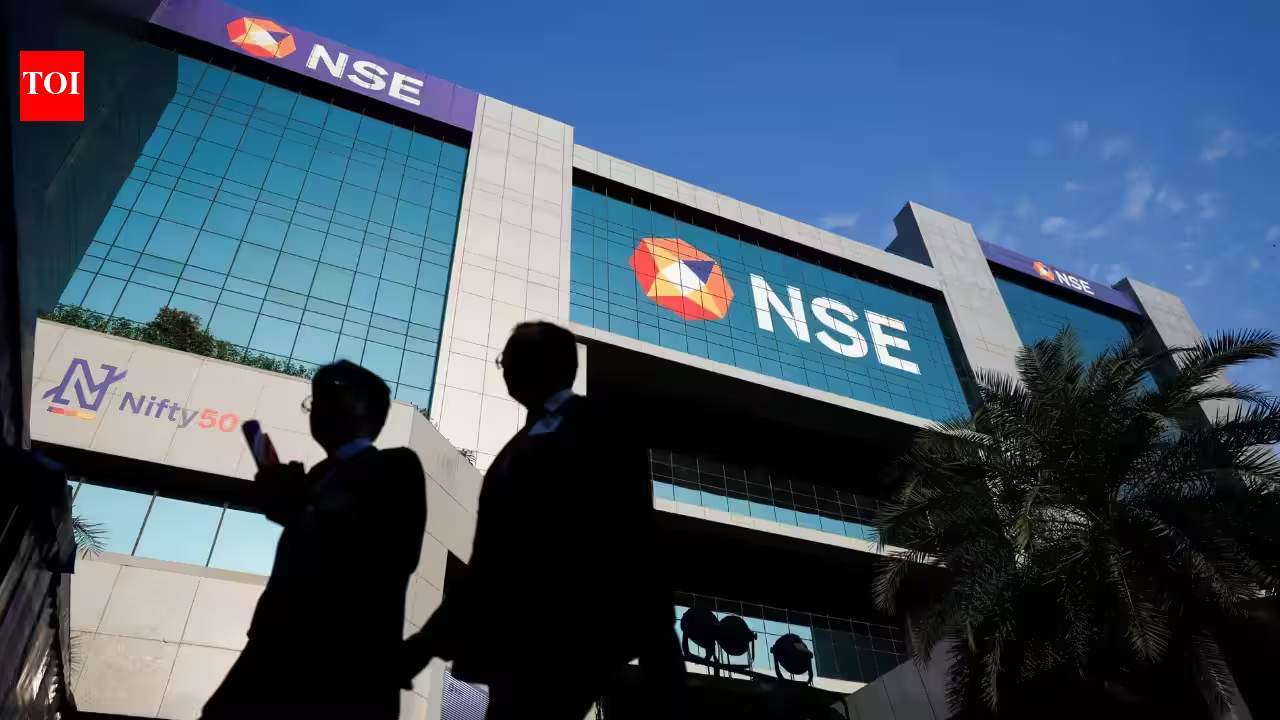









Navigating the Current Market Trajectory
The domestic equity landscape in India currently stands at a delicate juncture, balancing optimistic global tailwinds with cautious local technical factors. As investors prepare for the trading session, the prevailing sentiment is one of restrained confidence. The GIFT Nifty, serving as a primary indicator for the opening direction of the Nifty 50, suggests a muted or mildly positive commencement. This aligns with the broader cautious optimism seen in Indian markets, where domestic participants are carefully weighing the macroeconomic environment against incoming corporate data.
The overnight performance of major United States indices has provided a critical safety net. The Nasdaq’s significant rally of over 1.6 percent and the S&P 500’s 1.1 percent rise reflect a resurgence in risk appetite within the global technology and growth sectors. Such buoyancy in Wall Street often filters through to Indian indices, particularly benefiting sectors heavily correlated with global sentiment. Furthermore, the moderate trajectory of crude oil prices offers a structural advantage to the Indian economy. As a major net importer of energy, any sustained relief in oil costs helps insulate the Indian Rupee, supports the broader trade balance, and mitigates the inflationary pressures that often dampen foreign institutional investor appetite.
Key Technical Benchmarks and Resistance Zones
From a technical analysis perspective, the Nifty 50 is presently constrained within a defined trading range. Thursday’s closing point of 23,270 serves as the anchor for current sentiment. Immediate resistance is observed at the 23,365 level, which was the intraday high of the previous session. Should the market exhibit sufficient momentum to clear this hurdle, the next psychological barrier sits at 23,400. A definitive, volume-supported breach of this 23,400 zone could catalyze an extended recovery, potentially targeting the 23,500 psychological mark.
Conversely, market participants are maintaining a vigilant stance regarding downside risk. The immediate support cluster resides between 23,200 and 23,190—the intraday low of the previous session. Should this floor fail to hold, the subsequent cushion is projected at the 23,000 level. Traders are monitoring these levels not merely as historical data points, but as tactical decision-making thresholds where institutional buying and selling interest frequently converges. The ability of the Nifty to maintain its position above the 23,190 level remains the primary indicator of short-term structural health.
Macroeconomic Drivers and External Influences
Beyond domestic technicalities, the broader Asian market context remains fluid. A significant factor influencing current capital flows is the monetary policy direction from the Bank of Japan. Decisions originating from the Bank of Japan often ripple across Asian indices, affecting cross-currency dynamics and risk appetite in emerging markets. When major central banks adjust their policy stance, the resulting adjustments in yen-denominated carry trades often dictate the flow of liquidity into markets like India.
Furthermore, inflation remains a persistent theme in India’s business narrative. While current crude oil prices are favorable, the domestic market is sensitive to the interplay between local inflation data and the Reserve Bank of India’s stance on interest rates. Institutional investors are watching for stability in consumer price indices, as lower inflation expectations typically provide the central bank with greater room to maintain accommodative policy. Any abrupt shifts in the global currency environment or geopolitical stability will likely influence the sustainability of the current upward bias in the domestic market.
Corporate Developments and Strategic Capital Allocation
While index movements capture headlines, the underlying strength of the Indian market is often anchored by specific corporate developments. Recent announcements from major industrial players illustrate a robust capital expenditure cycle. Bharat Electronics, for instance, has secured orders totaling ₹648 crore, underscoring the continued growth in the domestic defence and IT infrastructure space. Such consistent order book growth acts as a fundamental catalyst for shareholder value, particularly as the government pushes for greater indigenization in military technology.
Technology integration remains another critical theme, as evidenced by Wipro’s collaboration with Aramco and SAP to launch a specialized asset management solution. Partnerships of this nature highlight how Indian IT majors are pivoting toward niche, high-value consulting and operational technology segments. Similarly, the capital-intensive nature of the energy sector is on display with Oil India’s planned investment of ₹15,000 crore into deepwater exploration over the next three years. This significant allocation signals confidence in long-term domestic energy security and creates downstream opportunities for oilfield services and engineering firms.
Additionally, financing activities such as Bharat Forge’s qualified institutional placement, with a floor price set at ₹1,947.70, reflect the ongoing efforts by industrial leaders to optimize their capital structures and fund future expansion. These corporate actions are essential for market breadth, as they suggest that India’s core industrial and services sectors remain actively invested in growth despite prevailing global market uncertainties.
Strategic Outlook for Investors
For investors navigating this environment, the approach remains one of granular focus. The current market is characterized by a “stock-picker’s environment,” where index-level volatility may mask significant opportunities within individual sectoral themes. Defence, energy infrastructure, and digital transformation services are currently demonstrating resilience and clear forward-looking revenue pipelines.
However, the necessity of risk management cannot be overstated. With the Nifty navigating thin margins near its resistance levels, sudden reversals are always a possibility, particularly if global central bank actions trigger a flight to safety. Prudent capital allocation, keeping in mind the technical support zones and the broader macro-inflationary backdrop, is essential. While the momentum generated by global risk-on conditions provides a favorable starting point, the ultimate direction of the Indian market will depend on sustained institutional inflows and the steady execution of the capital expenditure plans announced by the country’s leading corporations.
As the session progresses, traders should prioritize maintaining liquidity and watching for volume confirmation before initiating new, aggressive long positions. The objective should be to capitalize on the growth stories highlighted by corporate performance while remaining defensive against shifts in the global macroeconomic landscape. Market participants are encouraged to integrate these technical thresholds and fundamental updates into their broader portfolio strategy, always remaining mindful of their specific risk tolerance and long-term financial objectives.
Disclaimer: This content is auto-generated for informational purposes only.
Source: Read Original News