







BILLINGS, Mont. — In a significant shift in federal environmental policy, the U.S. Fish and Wildlife Service has issued a new directive stating that the inadvertent killing of endangered animals during commercial activities—such as logging, construction, or dam building—will no longer be prosecuted as a violation of the Endangered Species Act (ESA).
The directive, issued by Fish and Wildlife Service Director Brian Nesvik on September 14, mandates that for a “take”—the legal term for killing or harming a protected species—to be considered illegal, the harm must be intentional. Under this new interpretation, a company could move forward with a project even if they are aware that their actions will inevitably result in the death of imperiled wildlife, provided that the goal of the project is not specifically to target those animals.
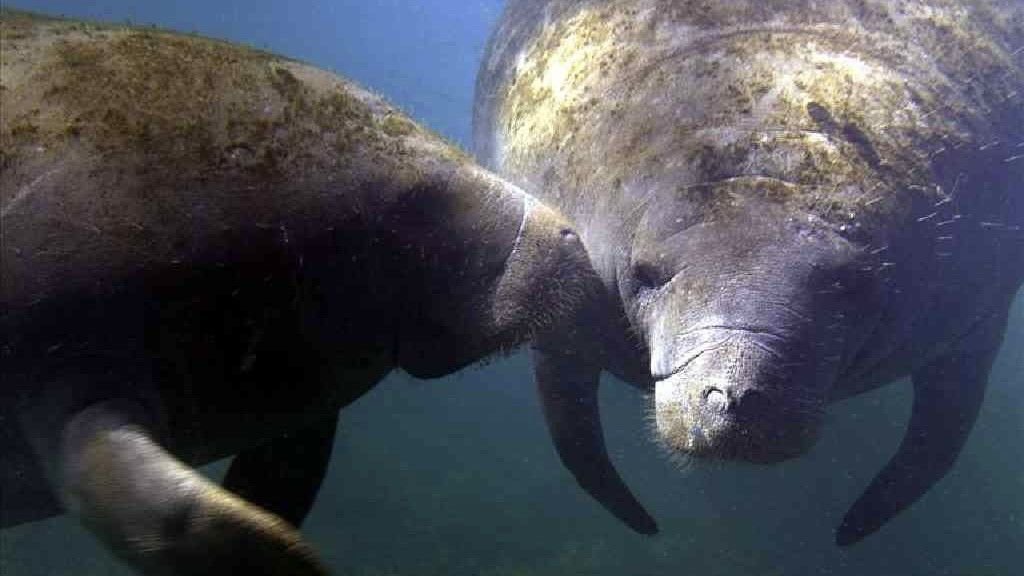
This policy marks a departure from decades of precedent, during which federal authorities held companies and individuals liable for “incidental takes,” even when the harm to species like grizzly bears, manatees, or spotted owls was an unintended consequence of industrial operations.
“Felling a tree is not a take of the bats roosting in it unless the tree is felled for the purpose of killing or capturing them,” Nesvik wrote in the directive, characterizing such harm as merely “indirect and accidental.”
The move is part of a broader effort by the Trump administration to reshape environmental enforcement, which supporters argue is a necessary correction to bring the ESA back to its original legislative intent. Federal officials have pointed to recent judicial trends, specifically a 2024 Supreme Court ruling that curtailed the authority of federal agencies to broadly interpret environmental statutes, as justification for the change.
However, environmentalists and former government officials have decried the directive, warning that it creates a massive loophole that effectively immunizes industries from the consequences of habitat destruction.
“This cuts against the entire history of the Endangered Species Act,” said Dan Ashe, who served as director of the U.S. Fish and Wildlife Service during the Obama administration. “It completely relieves people of any responsibility for their actions, even consequences that can be easily predicted.”
Critics argue that the change invites a “free-for-all” in industries such as timber and real estate development. If a developer can build a dam knowing it will destroy a salmon population, or a timber company can log a forest knowing it will crush nesting endangered birds, legal recourse to stop such actions becomes significantly more difficult.
“It’s a radical reinterpretation that would put polluters and other industry before the natural world,” said Noah Greenwald of the Center for Biological Diversity.
The directive provides the operational framework for a new rule finalized by the Interior Department in July, which narrowed the federal definition of “harm” under the ESA. While the Interior Department maintains that the act still prohibits harassment, wounding, or trapping protected wildlife, the distinction between active targeting and predictable incidental killing creates a new hurdle for conservationists.
The Endangered Species Act has historically been credited with the recovery of iconic American species, including the bald eagle, the American alligator, and the California condor. Because of its success and its reach, the law has frequently been the subject of political tug-of-war. Provisions of the act were rolled back during President Trump’s first term, reinstated under President Joe Biden, and are now being dismantled again.
As states and environmental advocacy groups prepare to challenge the directive in court, the legal landscape surrounding the ESA remains in flux. For now, the administration’s guidance signals a definitive shift toward prioritizing industrial development, setting the stage for protracted legal battles over the future of the nation’s most vulnerable wildlife.
Disclaimer: This content is auto-generated for informational purposes only.
Source: Read Original News