




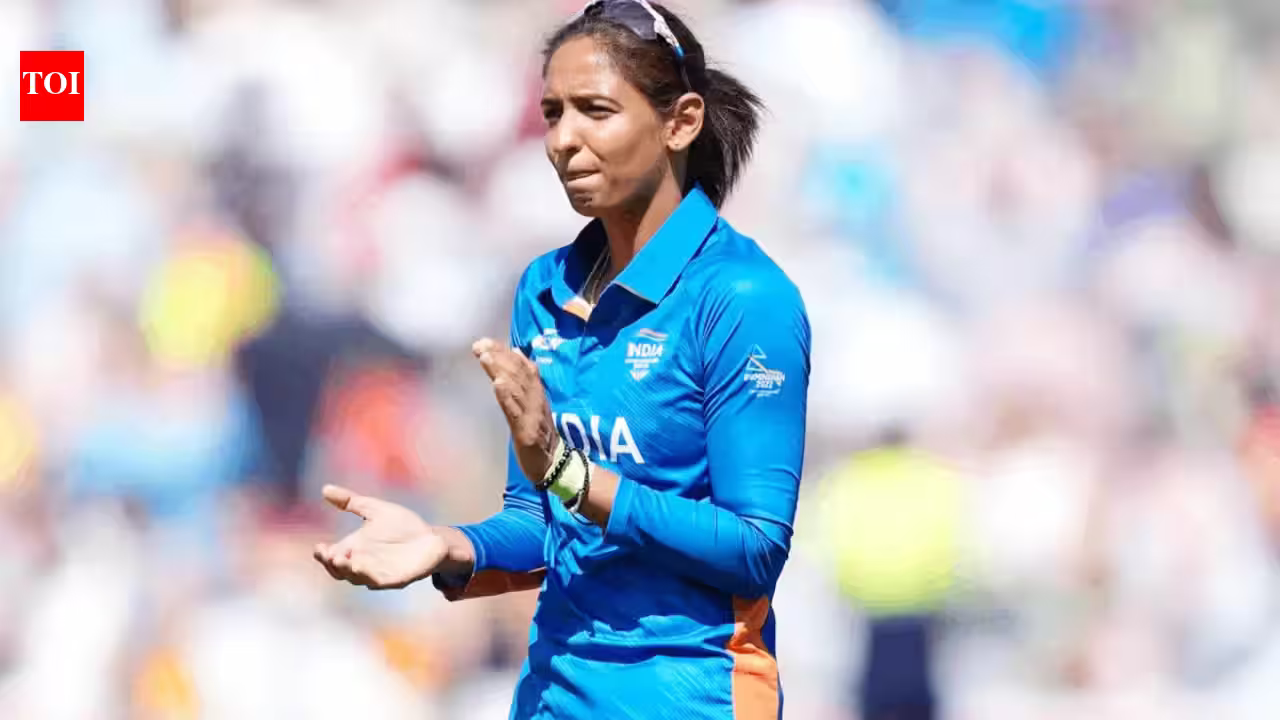



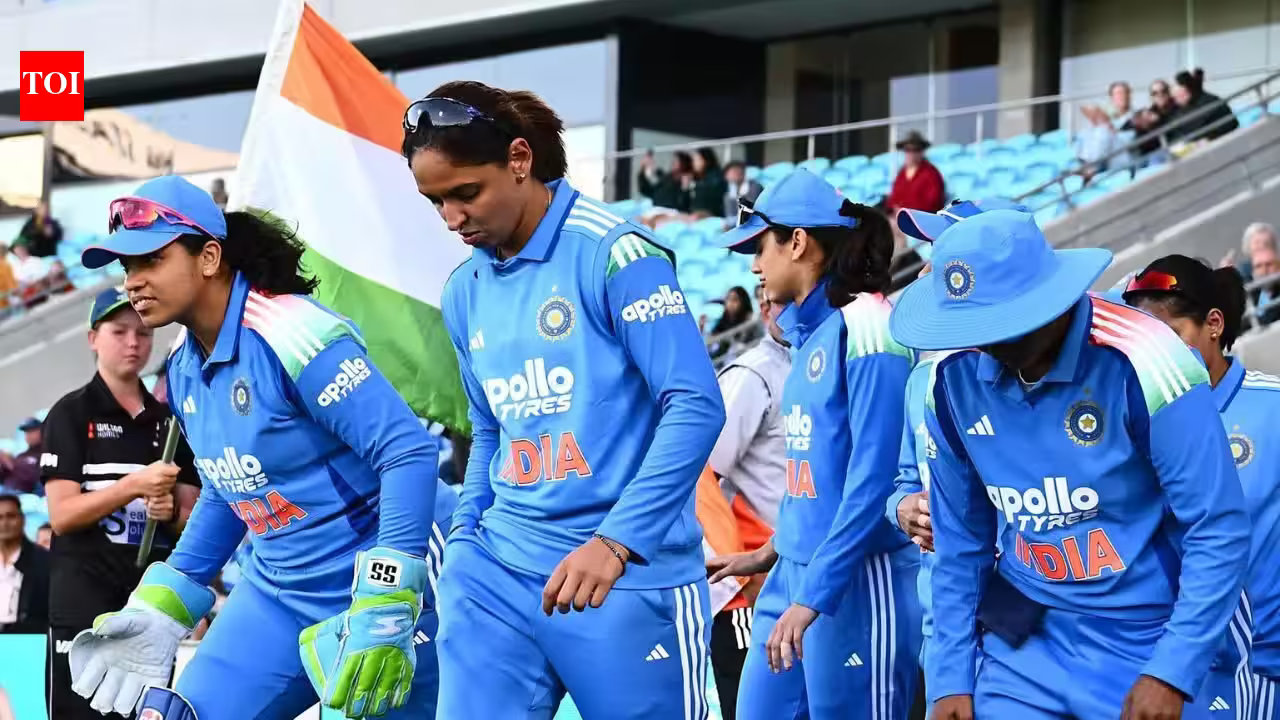
Nagoya beckons as the Indian women’s cricket team steps onto the pristine turf of the Asian Games 2026, marking the beginning of their high-stakes title defense. Fresh off a dominant, record-extending eighth T20 Asia Cup triumph, the Women in Blue arrive in Japan not just as favorites, but as the gold standard of Asian cricket. However, as they face the host nation in today’s quarterfinal, the atmosphere is charged with the unpredictable tension inherent to a sudden-death knockout format.
With only eight teams competing in the women’s event, the margin for error has effectively evaporated. There are no group-stage cushion matches or points-table calculations to fall back on; in this high-pressure environment, one bad afternoon can dismantle a golden dream. India knows this reality all too well, and as they prepare to take on the Japanese side, the focus is entirely on maintaining the clinical intensity that defined their recent success in the UAE.
The Top-Order Engine: Verma and Mandhana’s Crucial Role
All eyes will be firmly fixed on the explosive opening pair as they take guard. Shafali Verma, who arrives in Japan as the tournament’s most talked-about batter, is coming off a scintillating Asia Cup campaign. As the leading run-scorer of that tournament, Verma’s ability to take the game away from the opposition within the first six overs has become the cornerstone of India’s aggressive T20 philosophy. Her fearless approach at the top provides the perfect platform for the middle order to capitalize, and the Indian team management will be looking for her to set the tone immediately against a Japanese bowling attack that will likely be overwhelmed by her sheer pace of scoring.
Conversely, the spotlight also falls on vice-captain Smriti Mandhana. While India’s collective performance ensured glory in the Asia Cup, Mandhana herself experienced an uneven run, struggling to find her trademark fluency against spin-heavy attacks. The elegant left-hander is renowned for her ability to anchor innings and accelerate at will, and she will be eager to rediscover her rhythm under the Japanese lights. If both Verma and Mandhana fire in tandem, India’s total could quickly become insurmountable for the hosts.
Strengthening the Middle Order and Lower-Order Firepower
Beyond the openers, the Indian middle order remains a formidable proposition. Richa Ghosh stands out as the ultimate “X-factor” in this squad. Her ability to clear the ropes with ease and her lightning-quick instincts behind the stumps make her an invaluable asset in the closing stages of an innings. Whether it is stabilizing a shaky start or providing the finishing flourish in the death overs, Ghosh’s presence offers captain Harmanpreet Kaur immense tactical flexibility.
Speaking of the captain, Harmanpreet Kaur is due for a standout performance. While her leadership was instrumental in the Asia Cup victory, she would be the first to admit that her personal batting output was below her exacting standards. The knockout stage is where legends are made, and Harmanpreet has historically risen to the occasion when the stakes are highest. Her ability to read the game and guide the team through critical pressure moments will be vital as India navigates this truncated tournament.
Spin Supremacy: The Architect of India’s Defense
While the batters make the headlines, India’s bowling attack—specifically their deep, versatile spin department—is what truly strikes fear into opposition ranks. Leading the charge is the incomparable Deepti Sharma. With her uncanny ability to bowl economical spells while consistently picking up wickets in the middle overs, she remains the glue that holds the bowling unit together.
The real story of the recent months, however, has been the emergence of Sree Charani. The 22-year-old left-arm spinner has been a revelation, recently achieving the milestone of 50 T20I wickets in just 30 appearances—a testament to her accuracy and maturity beyond her years. Her breakthrough Asia Cup campaign has made her a nightmare for opposition batters who struggle to decode her flight and trajectory.
Adding to the spin tapestry are the seasoned Radha Yadav and the returning Shreyanka Patil. Patil’s comeback from an ankle injury is a massive boost for the squad. Known for her competitive spirit and sharp fielding, her presence ensures that the Indian team remains physically and mentally intense in the field. Facing this quartet on surfaces that are expected to offer assistance will be a daunting challenge for the Japanese batters.
The Challenge of Host Conditions
Japan enters this quarterfinal as the underdogs, but they are not to be underestimated. Playing at home, they will be buoyed by a supportive crowd and an intimate knowledge of the local conditions. Host teams in major multi-sport events often punch above their weight, fueled by the adrenaline of playing on the biggest stage of their careers.
To stand a chance against the juggernaut that is India, Japan will need to produce a disciplined bowling display, targeting the stumps and minimizing extras to deny the Indian top order any easy momentum. They will also need to play fearlessly against the Indian spinners, as being defensive often leads to a slow, inevitable decline in these T20 clashes.
As the umpire prepares to call “Play,” the message from the Indian camp is clear: respect the opponent, but trust the process. With the Asia Cup trophy already safely in the cabinet, India is looking to complete a prestigious double. In this sudden-death format, where the path to gold is short and perilous, the defending champions are ready to show the world why they are currently the side to beat.
Disclaimer: This content is auto-generated for informational purposes only.
Source: Read Original News