









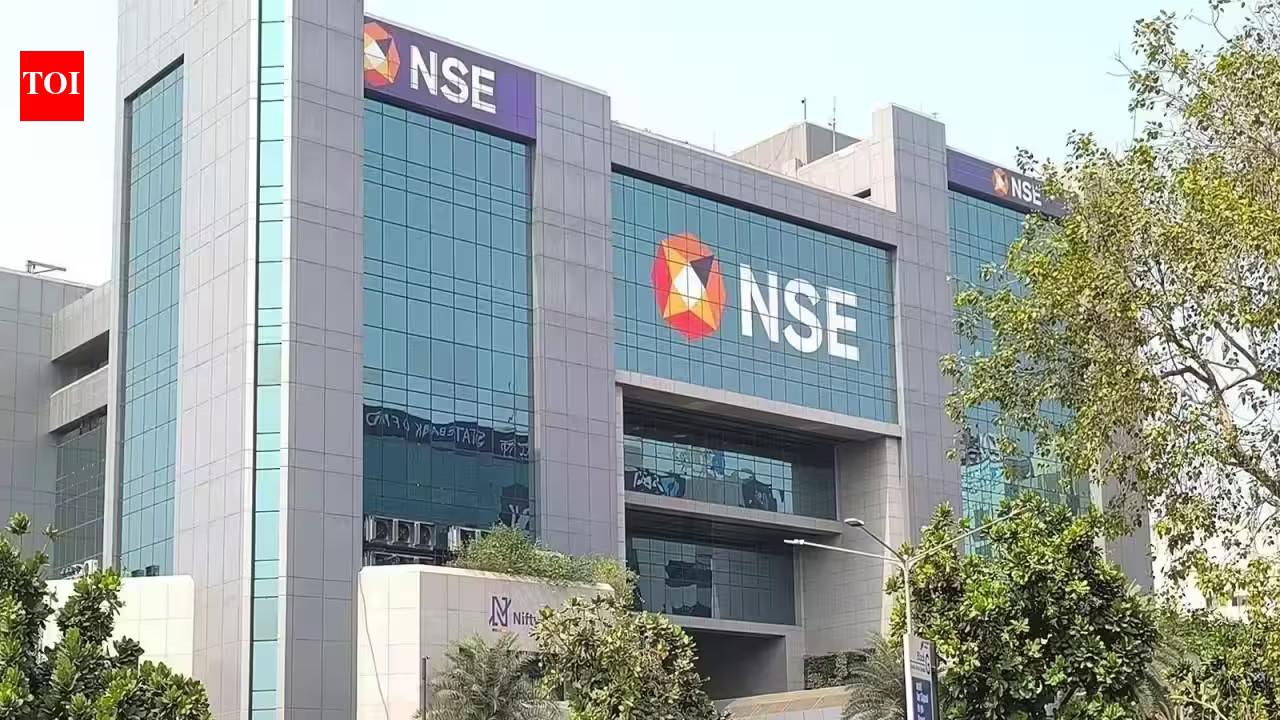
The Strategic Significance of the NSE Listing
The initial public offering (IPO) of the National Stock Exchange (NSE) represents a watershed moment for the Indian financial ecosystem. As the country’s largest stock exchange by trading volume and a cornerstone of the national economy, the NSE is not merely a corporate entity but a critical infrastructure institution. For years, domestic and international investors have sought a direct stake in the engine room of India’s capital markets. With the launch of this IPO, that structural opportunity has finally materialized.
The IPO, structured as an Offer for Sale (OFS) involving 12.64 crore shares, serves as a mechanism for existing shareholders to exit or partially divest their stakes. Because it is an OFS, the proceeds are directed toward these sellers rather than being injected into the exchange for capital expenditure. Despite this, the market’s interest remains centered on the company’s underlying business model—a high-margin, debt-free operation that enjoys a near-monopolistic position in equity and derivatives trading.
From a macroeconomic standpoint, the listing reflects the deepening of India’s financial architecture. As retail participation grows and the domestic investor base expands, the NSE acts as the primary beneficiary of increased market activity. Its transition from a private entity to a publicly traded one marks the institutionalization of India’s financial markets, aligning it with global peers like the London Stock Exchange or the Intercontinental Exchange, which have long been public.
Analyzing Subscription Trends and Investor Appetite
On the first day of its subscription period, the NSE IPO recorded an overall subscription rate of 43%. While some market participants might interpret this as a muted start given the prestige of the brand, institutional behavior in major Indian IPOs typically follows a specific pattern. Qualified Institutional Buyers (QIBs), who form the backbone of capital absorption in large-scale issues, often defer their bidding until the final day to assess total demand and ensure optimal allocation.
The retail category saw a 44% subscription rate, suggesting steady, measured interest among individual investors. This moderate pace is reflective of the current market environment, where investors are increasingly valuation-conscious. With a price band of Rs 1,700 to Rs 1,785 per share, the minimum investment threshold for retail participants stands at Rs 14,280. This price point is accessible, yet the requirement for a commitment of this size often encourages retail investors to perform deeper due diligence compared to smaller, high-hype issues.
The Non-Institutional Investor (NII) segment, which often includes high-net-worth individuals and corporate entities, recorded a 72% subscription rate. This stronger performance relative to retail investors signals that significant market players are closely monitoring the issue. As the subscription window moves toward the final day, the anticipated rush of institutional capital is expected to solidify the subscription numbers, providing a clearer picture of the final demand for one of India’s largest-ever public offerings.
Grey Market Signals and Listing Expectations
In the Indian financial context, the Grey Market Premium (GMP) serves as a barometer for short-term sentiment and listing-day expectations. Currently, the NSE IPO is commanding a GMP of approximately 8%, suggesting that investors anticipate a modest premium when the stock debuts on the exchanges. An implied listing price of around Rs 1,927 implies a gain that is neither hyperbolic nor discouraging.
This 8% figure is particularly telling because it reflects the consensus on the stock’s valuation. Unlike many smaller, volatile IPOs where the GMP often reflects speculative frenzy, the NSE’s premium is anchored in the reality of its fundamentals. Investors are pricing in the fact that the exchange is already a dominant player, leaving limited room for aggressive, short-term price discovery. The moderate GMP suggests that the market views this as a “long-term hold” rather than a “flip” candidate. For those who secure an allotment, the expectation is that the value will unlock steadily over time as the company continues to facilitate the massive expansion of the Indian stock market.
Brokerage Perspectives on Long-Term Value
The professional analyst community has largely echoed a constructive sentiment regarding the NSE. Brokerages view the exchange as a structural growth story, inextricably linked to the trajectory of the Indian economy. The argument for the NSE is simple: as long as India’s GDP grows and more citizens enter the formal financial system, trading volumes will inevitably climb, benefiting the exchange’s transaction-linked revenue model.
Analysts highlight that the NSE acts as a public utility. Much like a highway or a power grid, it is an essential piece of infrastructure that generates stable cash flows regardless of short-term market volatility. This utility-like status often commands a valuation premium in the eyes of institutional investors who prioritize consistency over explosive, short-lived growth.
However, caution persists regarding the valuation multiple, which sits at approximately 42.9 times FY26 earnings. Analysts note that this is not a “cheap” entry point. The primary risk factor involves the exchange’s heavy reliance on the derivatives (options) market, which is currently the main driver of its revenue. Any regulatory shifts aimed at cooling down the options market could have a disproportionate impact on NSE’s earnings. Despite this, the consensus remains that the exchange’s debt-free balance sheet and market leadership make it a fundamental component for portfolios focused on the India growth theme.
Anticipating Market Dynamics Post-Listing
As the IPO concludes on September 21 and the listing date of September 24 approaches, investors are preparing for potential volatility on the debut day. One factor that may influence the price is the behavior of pre-IPO shareholders. Certain eligible Alternative Investment Funds (AIFs) may choose to monetize their holdings immediately upon listing, which could lead to an increase in supply and potentially cap the stock price in the immediate aftermath.
Conversely, this supply of shares could represent a significant buying opportunity for long-term institutional investors who were unable to secure their desired quantity during the IPO process. The six-month lock-in period for other pre-IPO shareholders acts as a stabilizer, preventing a massive dumping of shares and allowing the market to find a fair equilibrium price.
In the long run, the NSE’s success will depend on its ability to diversify its revenue streams beyond transaction-based income. The evolution of new financial products, data services, and the integration of advanced trading technologies will be vital in maintaining its high-margin profile. For the Indian investor, the listing is more than just a stock purchase; it is an investment in the ongoing maturation of the country’s financial landscape. As the NSE begins its journey as a publicly traded company, it will be under constant scrutiny to deliver value to shareholders while maintaining its mandate as the primary venue for price discovery in the world’s fastest-growing major economy.
Disclaimer: This content is auto-generated for informational purposes only.
Source: Read Original News