








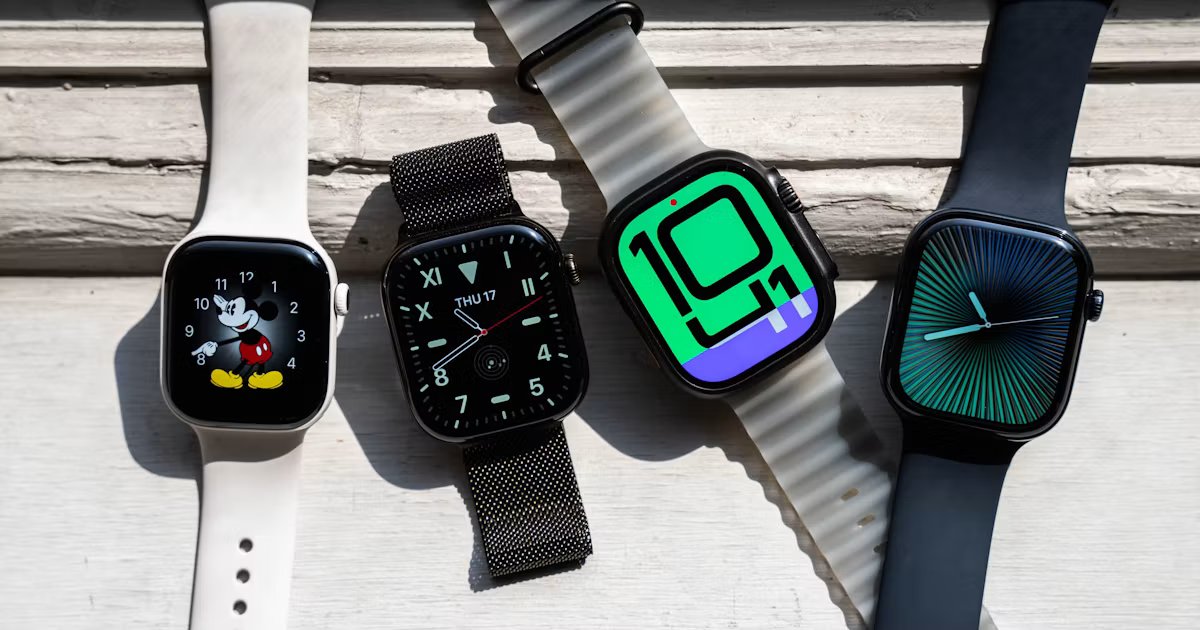
The Return of Ceramic: Apple Watch Series 12 Redefines Premium Casing
The Apple Watch has long balanced its role as a functional health monitor with its status as a piece of personal jewelry. While aluminum and stainless steel have been the standard materials for years, the reintroduction of high-grade ceramic in the Series 12 lineup marks a significant technical and aesthetic milestone. Historically, ceramic appeared in the Apple Watch lineup starting with the Series 3 in 2017, and later flourished with the Series 5 Edition. After a period of absence, the material returns, bringing with it a level of durability and luster that remains unmatched by traditional metallic alloys.
Ceramic is a complex material to manufacture in the context of consumer electronics. Unlike metal, which can be stamped or machined from a solid block, high-quality ceramic requires a sophisticated sintering process. This involves pressing zirconium dioxide powder into a mold and firing it at extreme temperatures until it reaches maximum density. The result is a material that is four times harder than stainless steel, making it incredibly resistant to scratches and abrasions. For users who prioritize the longevity of their hardware, the return of ceramic represents the pinnacle of Apple’s material engineering efforts.
Introducing Pearl White and Night Blue
The Series 12 ceramic rollout features two distinct color profiles: Pearl White and Night Blue. The Pearl White iteration serves as a refined evolution of the stark white cases seen in previous generations. It introduces a slightly warmer, more luminous quality that mimics the natural aesthetic of precious gemstones. This shift in temperature makes the watch feel softer against the skin while maintaining the ultra-hard surface that ceramic is famous for.
In contrast, the Night Blue variant is an engineering achievement in color saturation. Indoors or in dim lighting, the watch appears nearly black, providing a sleek, understated appearance. However, under direct sunlight, the deep navy pigmentation becomes evident, revealing a rich, glossy finish that interacts with light in a way that anodized aluminum simply cannot replicate. This dual-natured appearance mimics the high-end ceramic components found in luxury horology, providing a sophisticated transition from professional settings to outdoor environments.
Engineering Resilience and Aesthetic Longevity
One of the primary advantages of ceramic over metallic casings is its inherent resistance to the wear and tear of daily use. Stainless steel, while durable, is susceptible to micro-scratches and fingerprint smudges, particularly on polished surfaces. Aluminum, while lighter, can dent or scuff if impacted against hard surfaces. Ceramic remains largely immune to these common issues.
Because the color is baked into the material rather than applied as a coating, the casing is unlikely to show signs of fading, chipping, or plating degradation. This is particularly important for the Pearl White model, which maintains a clean, pristine look even after prolonged use. The dense, non-porous surface of the ceramic also makes it hypoallergenic and comfortable for extended wear, fitting snugly against the wrist without the cold, shock-heavy feel of metal in extreme temperatures. The fit and finish are held to the same rigorous standards as the rest of the Apple Watch ecosystem, ensuring that the ceramic casing integrates perfectly with all existing band styles.
Bridging Technology and High Horology
When comparing the Apple Watch Series 12 to traditional luxury watches from storied houses like Audemars Piguet or Chanel, it is clear that Apple is positioning its ceramic model as a direct bridge between functional tech and classic design language. While luxury watchmakers often utilize ceramic for its technical merits in bezel and case manufacturing, these pieces often command prices in the tens of thousands of dollars.
The Series 12 provides a similar “scratch the itch” experience for collectors who appreciate the weight, cooling sensation, and deep, glass-like finish of high-tech ceramic at a price point that is significantly more accessible. The lack of faceting or brushing—typical of the Apple design philosophy—allows the material to speak for itself. The result is a seamless, liquid-like appearance that fits into the modern lifestyle, offering a piece of hardware that is as much an accessory as it is a device for tracking health, connectivity, and performance metrics.
Strategic Impact on the Apple Watch Ecosystem
The introduction of these ceramic variants serves as a testament to the maturation of the Apple Watch. By offering multiple premium material tiers, Apple acknowledges that users view their devices as permanent fixtures of their personal style. The ceramic Series 12 is not merely an incremental update; it is a declaration that the hardware experience matters just as much as the internal software capabilities.
By focusing on materials that offer both aesthetic depth and physical resilience, the company ensures that the device remains attractive years after its initial purchase. As users become more conscious of product longevity, the move toward hardened, wear-resistant ceramic makes logical sense. It reinforces the value of the ecosystem, encouraging users to invest in a piece of technology that retains its physical integrity far longer than standard models. Whether for the understated charm of the Night Blue or the classic luminosity of the Pearl White, the Series 12 ceramic models stand out as a premier example of how material science can elevate a standard digital wearable into a long-lasting, luxury-adjacent timepiece.
Disclaimer: This content is auto-generated for informational purposes only.
Source: Read Original News