








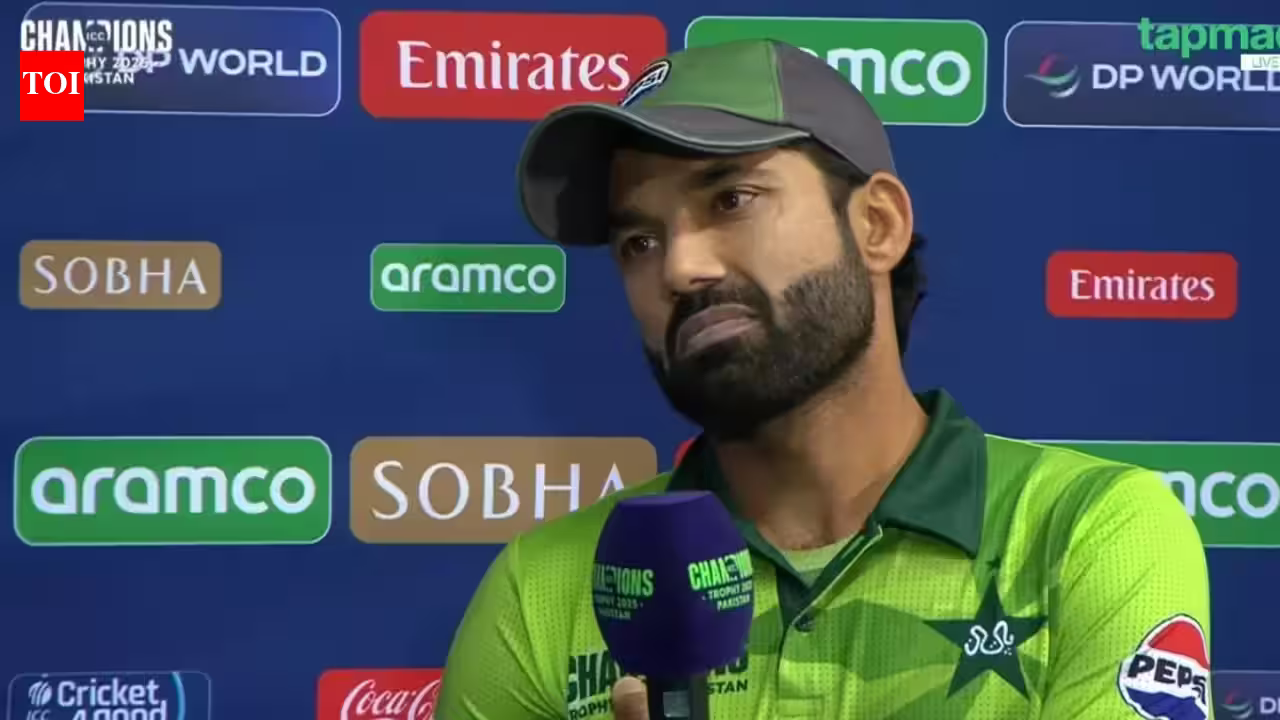
TURMOIL within the ranks of Pakistan cricket has escalated significantly as star wicketkeeper-batter Mohammad Rizwan has formally engaged the International Cricket Council’s (ICC) Anti-Corruption Unit (ACU) regarding the controversial seizure of his mobile phone by local authorities. The move marks a high-stakes escalation in a legal and procedural saga that began following Pakistan’s recent tour of England, casting a shadow over the national team as they navigate a period of intense scrutiny.
Rizwan’s outreach to the global cricket governing body comes on the heels of a significant legal setback at home. Last week, the Lahore High Court dismissed a petition filed by the cricketer, which had challenged the validity of notices issued to him by Pakistan’s National Cyber Crime Investigation Agency (NCCIA). With domestic legal avenues currently hitting a wall, Rizwan is now seeking clarity on the international protocols that govern player privacy, data security, and the investigative jurisdiction of national agencies versus the ICC’s own robust anti-corruption framework.
Seeking Clarity on Global Protocols
According to reports from Geo News, Rizwan submitted an official request via the ICC ACU’s digital portal. Crucially, representatives for the star batter have emphasized that this is not an antagonistic complaint against a specific individual or organization. Instead, it is an urgent plea for procedural clarification.
Rizwan is specifically asking the ICC whether they, or the England and Wales Cricket Board (ECB), were apprised of, or played any role in, the actions taken against him while he was on foreign soil. The core of his inquiry touches upon the legitimacy of the forensic examination of his device. Rizwan has asked the ACU to confirm if the transfer of his phone from the United Kingdom to Pakistan, and the subsequent forensic audit, adheres to the established ICC Anti-Corruption Code. Furthermore, the former white-ball captain is seeking professional guidance on his rights and obligations, hoping to define the boundaries of cooperation should he be summoned for further questioning by national authorities.
The Legal Battlefield: A Disputed Seizure
The tension surrounding this incident stems from the circumstances under which the device was confiscated. During a hearing at the Lahore High Court, presided over by Chief Justice Aalia Neelum, Rizwan’s counsel, Qazi Umair Ali, detailed a troubling sequence of events.
According to the legal team, Rizwan was approached by authorities in a hotel lobby following the Lord’s Test match in England. He was allegedly subjected to questioning without the prior issuance of a formal notice. Counsel further argued that the cricketer surrendered his device only after receiving verbal assurances that the phone would be returned within three hours. Weeks later, that timeline has long since elapsed, and the device remains in the custody of the NCCIA.
The argument presented by Rizwan’s legal team suggests a jurisdictional clash. They contend that the ICC’s ACU is the sole, appropriate authority to manage investigations involving alleged corruption violations by international cricketers. By bypassing this established channel, Rizwan’s camp argues that the NCCIA may have overstepped. Despite these arguments, the High Court declined to intervene at this stage, directing the cricketer to formally respond to the NCCIA’s notices before seeking further judicial relief.
The Scope of the Investigation
The NCCIA’s interest in the senior players is reportedly tied to a sweeping inquiry into online betting and gambling networks operating within the sphere of Pakistan cricket. Beyond the concerns regarding illicit wagering, industry insiders have linked the investigation to broader allegations of security breaches, specifically the leaking of sensitive information from within the Pakistan dressing room during the Test series against England.
The situation has placed several high-profile players under the microscope. Alongside Rizwan, batter Imam-ul-Haq was also summoned and appeared before the agency in Lahore earlier this month. As it stands, the NCCIA has maintained a degree of confidentiality, having made no official findings public against either player.
A Cloud Over Pakistan Cricket
For the Pakistan Cricket Board (PCB) and the players involved, the situation is a distraction they can ill afford. The combination of poor on-field performance and persistent off-field investigative headlines has left the team in a precarious position regarding public trust.
As the ICC ACU reviews Rizwan’s request, the cricket world will be watching closely. Should the ICC determine that proper protocols were bypassed, it could trigger a complex diplomatic row between international cricket’s governing body and local investigative agencies. Until then, Mohammad Rizwan remains in a state of professional limbo, waiting to see if the global body responsible for the game’s integrity will provide the protections and clarity he feels are currently lacking.
For now, the investigation into dressing room leaks and digital security continues, leaving fans and pundits alike to wonder just how deep the rabbit hole goes, and whether the outcome of this probe will fundamentally change how Pakistani cricketers interact with both the law and the game’s regulators.
Disclaimer: This content is auto-generated for informational purposes only.
Source: Read Original News