





The Architects of the Next Decade: Defining Influence in the Modern Tech Landscape
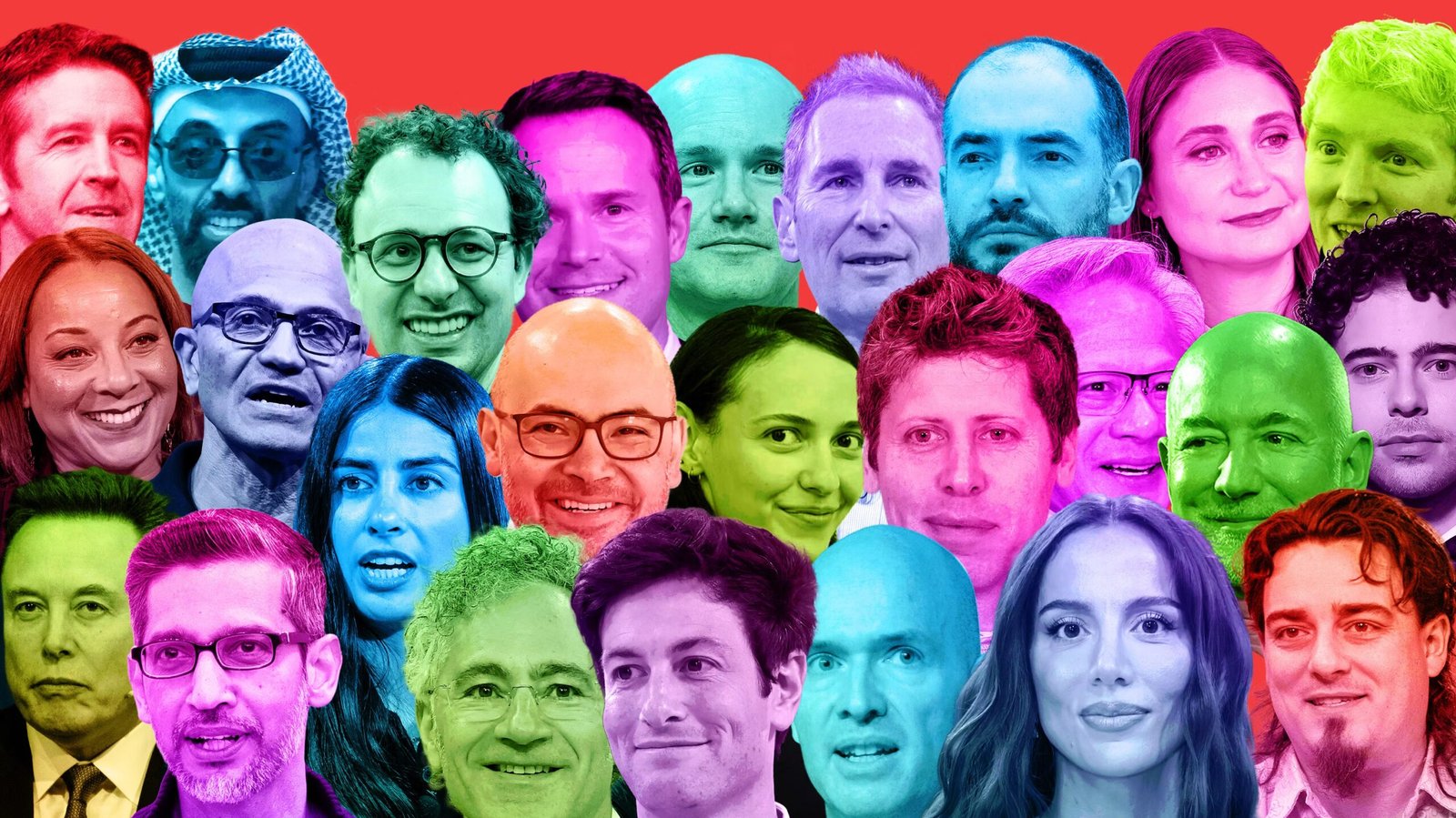
The technology industry operates on a cycle of constant disruption, where the power to steer the direction of innovation is concentrated in the hands of a select few. Recently, The Information unveiled its comprehensive ranking of the 50 most influential figures who are poised to dictate the trajectory of the tech sector over the next decade. This list transcends mere market capitalization or net worth, focusing instead on individuals whose technical decisions, strategic investments, and leadership paradigms possess the gravity to redefine global digital infrastructure.
As we transition into an era dominated by generative artificial intelligence, decentralized compute, and advanced robotics, the definition of influence has shifted. It is no longer enough to manage a vast enterprise; one must now fundamentally shape the protocols, policies, and research agendas that define the boundaries of human-machine interaction. This cohort represents the architects of our future, holding sway over the algorithms that curate our information, the semiconductors that power our global data centers, and the regulatory frameworks that will govern the ethical deployment of autonomous systems.
The Rise of the AI Infrastructure Titans
Central to this year’s analysis is the ascendancy of those controlling the hardware stack. In the past, software reigned supreme, but the current decade is defined by a desperate, massive, and strategic race for compute. Figures responsible for the design and manufacturing of specialized silicon, such as high-performance graphics processing units (GPUs) and custom tensor processing units, have moved from the background to the forefront of industry discourse.
These individuals hold influence because they control the literal capacity for innovation. If a venture capitalist wants to back a new foundational model, or a startup aims to disrupt natural language processing, their success is fundamentally tethered to the availability of the hardware controlled by this group. Their sway is not just financial; it is logistical and physical. By dictating the supply chain and roadmap for processor architecture, these leaders effectively set the performance ceiling for every developer working on artificial intelligence, machine learning, and high-performance computing today.
Shaping the Regulatory and Ethical Frontier
Influence in the coming decade will be inextricably linked to the tension between rapid innovation and societal safety. Consequently, the list prominently features researchers, policy advocates, and executives who are navigating the delicate balance of governing powerful technology. The people in this category are tasked with translating complex algorithmic risks into actionable policy, a feat that requires both deep technical proficiency and political acumen.
Their impact is seen in the global discourse surrounding data privacy, copyright in the age of generative models, and the existential oversight of large-scale predictive systems. By setting the standards for transparency and internal safety audits, these figures determine which technologies are permitted to proliferate and which are deemed too volatile for the public square. As governments worldwide scramble to draft legislative responses to AI, these individuals serve as the primary conduits for technical literacy, ensuring that the law does not inadvertently stifle the progress that the industry depends upon.
The Disruptors in Distributed Systems and Cloud Architecture
Beyond the high-profile world of consumer AI, there is a quieter, yet arguably more consequential group focused on the foundational layer of the internet. This includes the engineers and strategists building the next generation of distributed systems, edge computing, and cloud-native frameworks. As the volume of global data grows, the traditional reliance on centralized, massive data centers is being challenged.
The leaders in this space are defining how we store, retrieve, and process information at scale. Their influence is felt every time a system remains operational during a traffic spike or when a new standard for data portability is adopted. By pushing for interoperability and more efficient network architectures, they are reducing the barriers to entry for smaller players, effectively decentralizing the power that has historically been consolidated by a handful of global cloud providers. Their work is the invisible substrate upon which the next ten years of the digital economy will be built.
Bridging the Gap Between Research and Commercialization
Perhaps the most unique category in the ranking consists of those who successfully navigate the “valley of death” between academic breakthroughs and industrial implementation. There is a surplus of theoretical research in mathematics and physics, but there is a profound scarcity of talent capable of converting that theory into scalable, reliable products. The individuals who bridge this gap command immense clout.
They are the bridge-builders. By orchestrating collaborations between prestigious university laboratories and massive commercial enterprises, they steer the industry toward breakthroughs that actually solve real-world problems. Whether it is in materials science, quantum computing, or synthetic biology, these figures provide the vision needed to transform speculative research into utility. Their influence is cemented by their ability to identify talent, secure resources, and maintain a rigorous standard of scientific excellence while managing the expectations of boardrooms and shareholders.
The Cumulative Impact on Global Digital Infrastructure
When reviewing the collective influence of these 50 figures, it becomes clear that the technology industry is entering a phase of deeper integration with the physical world. The influence they wield is not theoretical; it is embedded in the daily lives of billions. From the power efficiency of the servers in our pockets to the security of the financial transactions we perform, their decisions echo across all sectors of the modern economy.
As we look toward the next decade, the power dynamics identified by The Information underscore a critical reality: the technology industry is no longer an isolated vertical. It is the primary engine of modern civilization. The individuals who guide this ship must reconcile the pursuit of profit with the responsibility of stewardship. Whether through the development of more sustainable hardware, the establishment of ethical AI guardrails, or the democratization of cloud infrastructure, these leaders are writing the code for the future. The next ten years will be defined by their decisions, their biases, and their commitment to pushing the boundaries of what is possible in an increasingly complex and interconnected world.
Disclaimer: This content is auto-generated for informational purposes only.
Source: Read Original News