









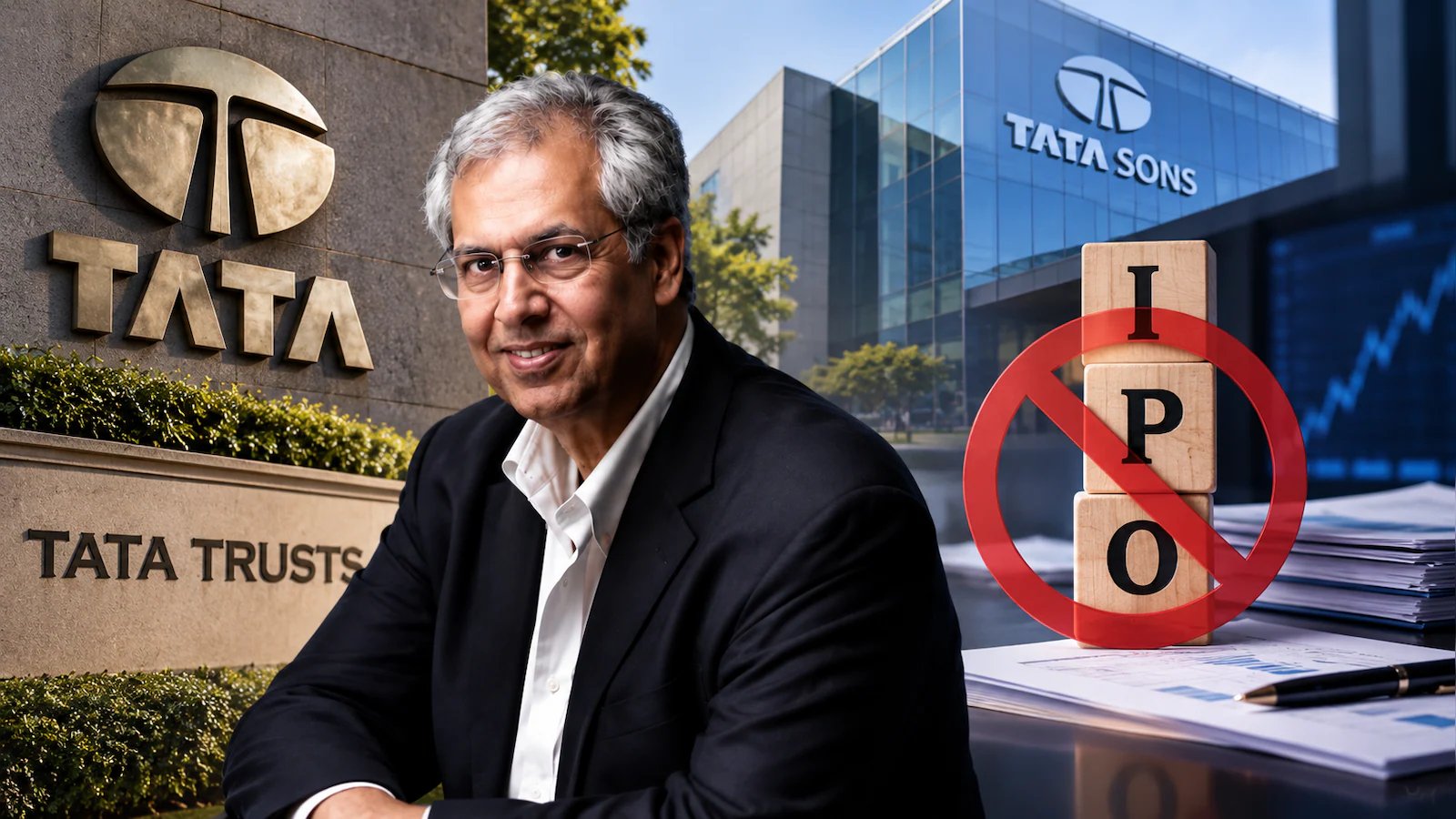
The Tata Group is currently embroiled in a high-stakes corporate debate that highlights the tension between legacy values and modern regulatory pressures. At the center of this firestorm is Tata Sons, the primary holding company that oversees an industrial empire including TCS, Tata Motors, and Titan. Whether this bedrock institution should launch an Initial Public Offering (IPO) has moved from a boardroom whisper to a defining strategic conflict.
## The Regulatory Trigger and Ownership Divide
The impetus for this debate is not merely internal preference but external regulatory mandate. Following a classification by the Reserve Bank of India (RBI) as an “Upper Layer” Non-Banking Financial Company (NBFC-UL), Tata Sons has been subjected to rigorous oversight. When the central bank rejected the group’s bid to surrender its status as a Core Investment Company, the path toward a public listing became a subject of intense scrutiny.
The ownership structure of Tata Sons creates a fundamental clash in ideology. Tata Trusts, which maintains a roughly 66% controlling stake, is led by Noel Tata, who staunchly opposes taking the company public. Conversely, the Shapoorji Pallonji (SP) Group, holding an 18.37% interest, is a vocal proponent of an IPO. For the SP Group, a public listing represents a necessary evolution toward transparency, accountability, and the monetization of their long-standing investment.
## Philosophical Clash: Philanthropy vs. Public Disclosure
For Noel Tata and the leadership at Tata Trusts, the resistance to an IPO is rooted in the preservation of the group’s unique identity. The Tata model has historically functioned as a conduit for philanthropy; dividends from group companies flow through Tata Sons to the Trusts, which then fund expansive social and charitable initiatives.
The fear among traditionalists is that becoming a listed entity would force the company to prioritize short-term investor demands and quarterly profit maximization over the group’s century-old mission. As Noel Tata has suggested, exposing the company to the public market could erode the distinct organizational culture that has kept the group tethered to its social purpose. Proponents of the listing, however, argue that public status is not synonymous with the death of values; instead, they contend that increased scrutiny would heighten the ethical standards and operational integrity of the entire group.
## The Future of the Tata Ecosystem
While the conversation surrounding the IPO continues, the broader tech and financial sectors are watching closely. The shift toward digital transformation and AI integration within the Tata portfolio—exemplified by TCS and the group’s investments in large-scale data analytics—has placed a premium on operational agility. As tech companies increasingly rely on transparent governance to attract global capital, the debate over Tata Sons’ private versus public status becomes even more relevant.
If Tata Sons moves toward an IPO, the implications for the Indian stock market would be monumental. It would essentially offer investors a direct stake in the engine room of the conglomerate. However, the path remains fraught with obstacles, including complex valuation concerns, potential stake dilution, and the delicate task of balancing shareholder rights against the unique philanthropic charter of the Trusts.
For now, the board is tasked with navigating the RBI’s directives while weighing the conflicting visions of its largest shareholders. Whether the group chooses to restructure, appeal for further regulatory clarity, or eventually debut on the exchange, the outcome will fundamentally alter one of the most influential holding structures in the global business landscape. While no concrete timeline for an IPO exists, the “structured phase” of the debate has officially begun, marking a pivotal chapter in the history of the Tata conglomerate.
Disclaimer: This content is auto-generated for informational purposes only.
Source: Read Original News