







The Strategic Significance of Brookfield’s Investment in ACME Cleantech
The recent commitment by Brookfield, through its Brookfield Global Transition Fund, to invest up to $600 million into ACME Cleantech Ventures marks a significant milestone in the global shift toward industrial decarbonization. This capital injection is specifically directed toward the development and construction of green molecule projects, encompassing green ammonia and green methanol. By targeting a UK-based entity within the ACME Group that maintains substantial operational footprints in India and Oman, Brookfield is effectively positioning itself at the center of the emerging green energy supply chain.
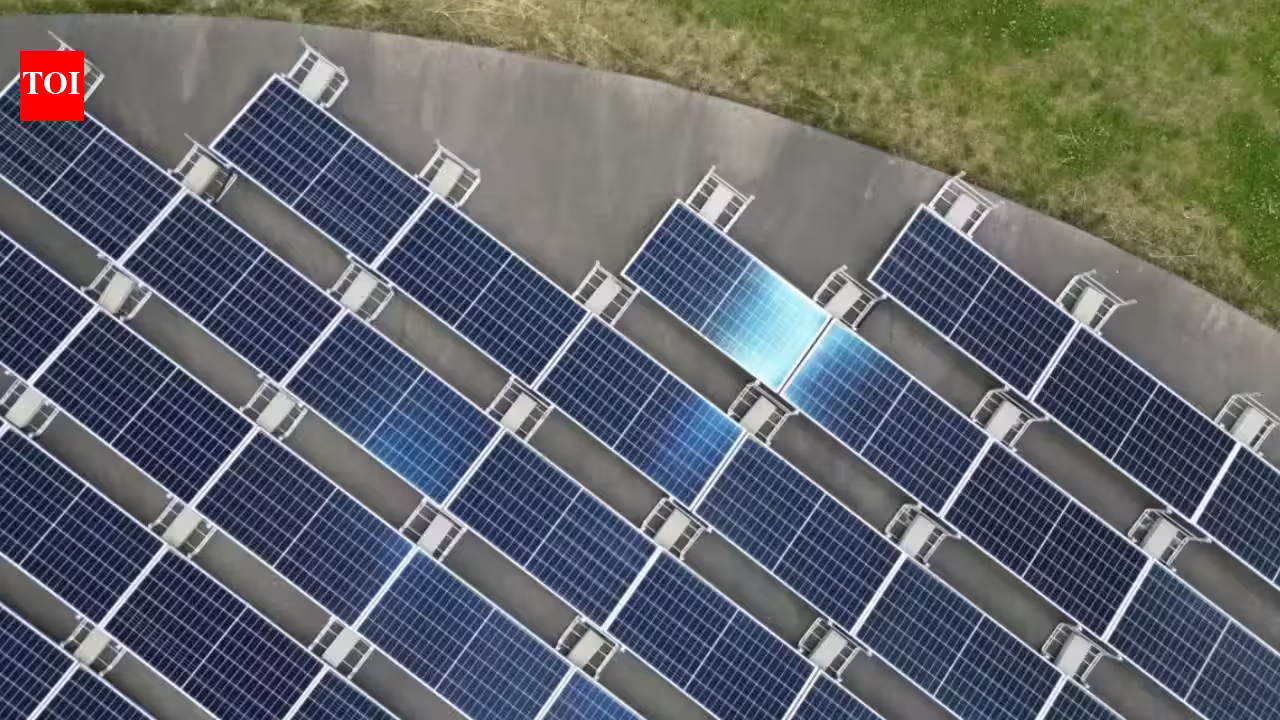
For the Indian energy market, this investment serves as a strong validation of the country’s ambition to become a global leader in the production and export of green hydrogen and its derivatives. The investment does not exist in a vacuum; it aligns perfectly with the National Green Hydrogen Mission, an ambitious policy framework designed to facilitate massive scale-up in renewable energy capacity. As Brookfield expands its presence—leveraging its existing portfolio of nearly 50GW of wind and solar assets—the integration of capital with industrial expertise provides a robust blueprint for how cross-border private equity can accelerate the energy transition in developing economies.
The Role of Green Molecules in Industrial Decarbonization
Green molecules, particularly ammonia and methanol, are increasingly viewed as the most viable substitutes for fossil-fuel-based chemical feedstocks and energy carriers. Unlike conventional hydrogen production, which relies heavily on steam methane reforming and results in significant carbon emissions, green hydrogen is produced via electrolysis powered by renewable energy. When this hydrogen is combined with nitrogen or captured carbon, it produces green ammonia or green methanol, respectively. These substances are liquid at manageable temperatures or pressures, making them significantly easier to transport over long distances compared to gaseous hydrogen.
This mobility is critical to the business model pursued by ACME. By developing production facilities in regions with high solar and wind potential—such as the sun-drenched landscapes of India and the vast, arid territories of Oman—the company can produce these commodities at a lower cost and transport them to high-demand industrial centers in Europe and East Asia. For industries such as shipping, heavy manufacturing, and agriculture, these green molecules offer a pathway to reduce Scope 1 and Scope 2 emissions without fundamentally redesigning their underlying industrial processes. The $600 million infusion provides the necessary liquidity to move these massive infrastructure projects from the planning phase to active construction.
Building a Robust Offtake Ecosystem
A critical challenge in the renewable energy infrastructure sector is the “chicken-and-egg” dilemma: producers require long-term price certainty to secure financing, while off-takers require a consistent, reliable supply chain before transitioning away from traditional carbon-intensive fuels. ACME has preemptively addressed this by securing diverse offtake partnerships with a global roster of corporations, including Yara International, IHI Corporation, and Mitsubishi Gas Chemicals. In the domestic context, the inclusion of agricultural giants like IFFCO, Paradeep Phosphates, and Coromandel International signals a transformation within India’s fertilizer sector.
The fertilizer industry is historically one of the most energy-intensive sectors, relying heavily on natural gas as both fuel and feedstock. By incorporating green ammonia into their production lines, these Indian entities are insulating themselves against the volatility of global gas prices while meeting internal environmental, social, and governance (ESG) targets. Brookfield’s participation brings not only capital but also deep experience in managing complex, long-term infrastructure assets, which provides comfort to these industrial partners regarding the reliability and long-term viability of their supply chain.
India’s Position in the Global Green Hydrogen Value Chain
India’s strategic geography and rapid expansion of renewable energy capacity place it in a unique position to dominate the green hydrogen value chain. The National Green Hydrogen Mission is not merely an internal environmental initiative; it is an export-oriented economic strategy. By providing production-linked incentives and creating dedicated green hydrogen hubs, the Indian government has created a competitive landscape that attracts international players like Brookfield.
The current economic climate, characterized by a heightened focus on energy security, has pushed nations to diversify their energy imports. Japan and European economies, which are deeply reliant on imported energy, have identified India as a critical supplier for their future energy needs. The investment in ACME reflects a broader trend where international investors view India not just as a location for solar panel installation, but as a manufacturing hub for high-value green energy commodities. The synergy between ACME’s project development capabilities and Brookfield’s global capital reach is essential to converting India’s renewable energy surplus into exportable, high-value industrial products.
Risk Mitigation and Long-term Infrastructure Sustainability
While the potential for green hydrogen and its derivatives is substantial, the path to commercial viability is fraught with risks, including high capital expenditure and the current cost differential between green molecules and their fossil-fuel counterparts. Brookfield’s investment strategy, channeled through the Brookfield Global Transition Fund, focuses specifically on mitigating these risks. By concentrating on projects that have already secured offtake agreements, the partnership minimizes market risk and ensures that the infrastructure being built serves an immediate industrial demand.
Furthermore, the scale of Brookfield’s involvement ensures that these projects are not treated as peripheral pilot programs but as utility-scale, industrial-grade operations. As the scale of production increases, the “learning curve” effect is expected to drive down the cost of electrolysis and green ammonia production, eventually reaching parity with traditional methods. This transition is essential for the long-term profitability of the investment. The integration of wind and solar assets—which Brookfield already manages in vast quantities—into the production process for green molecules creates a closed-loop system that optimizes energy efficiency and ensures a stable power supply, which is critical for the continuous operation of large-scale chemical plants.
Future Outlook for the Green Energy Sector
The partnership between Brookfield and ACME represents a maturation phase for the renewable energy sector in Asia. We are moving beyond simple generation capacity toward complex energy storage and industrial feedstocks. As the global regulatory environment tightens around carbon emissions, companies that successfully adopt green ammonia and green methanol will likely capture a significant competitive advantage.
Looking ahead, the success of this $600 million investment will likely trigger a secondary wave of capital deployment in the region. Other financial institutions and industrial conglomerates are expected to observe the performance of these projects to gauge the return profile of green molecule infrastructure. If the ACME and Brookfield collaboration yields the expected operational efficiency, India could see an influx of similar large-scale investments, further strengthening its economic position as a green industrial powerhouse. The shift toward sustainable industrial feedstocks is no longer an aspiration but a structural requirement for modern commerce, and this investment represents a foundational step in that inevitable economic evolution.
Disclaimer: This content is auto-generated for informational purposes only.
Source: Read Original News