







From Nithari Horror to Tea Stall: The Final Chapter of an Infamous Legal Saga
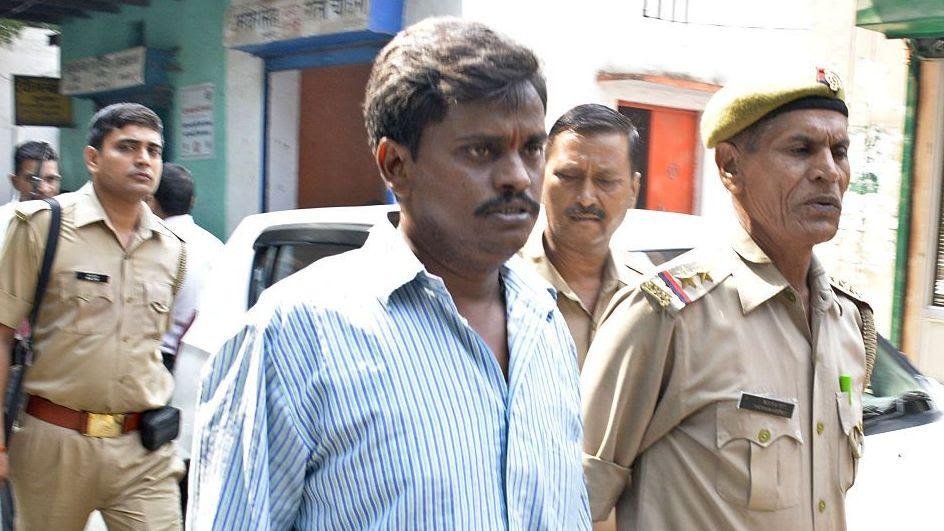
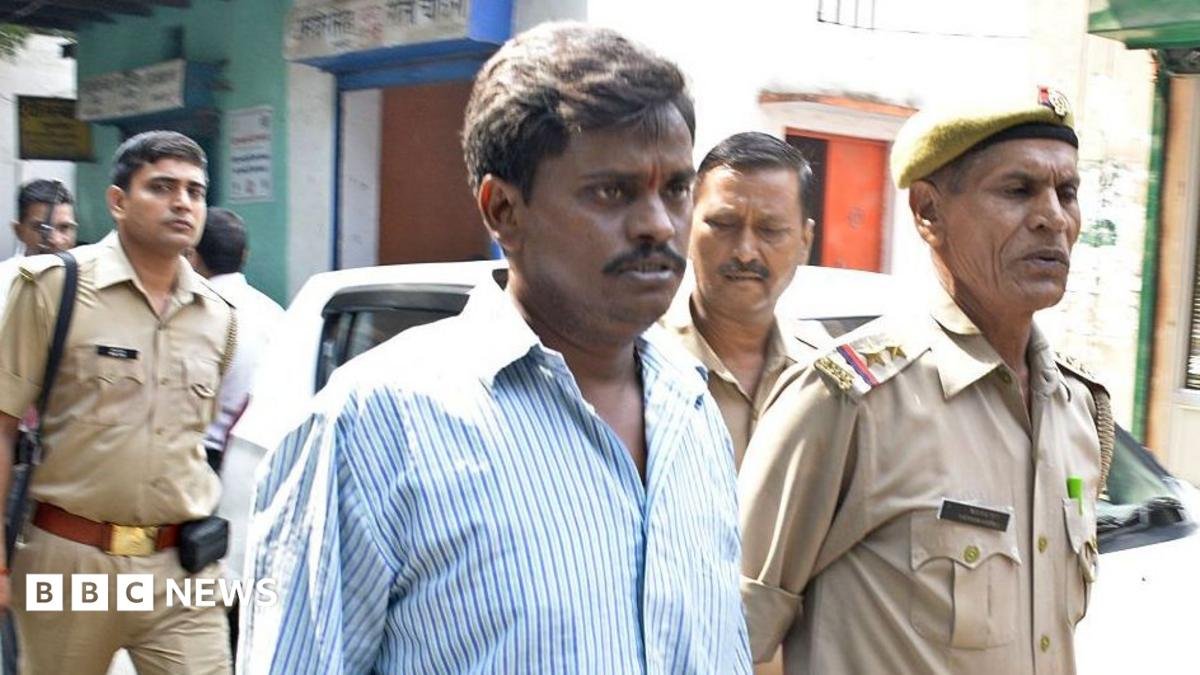
Nearly two decades after a discovery in a Noida suburb shook the conscience of the nation, the man at the center of the infamous “Nithari killings” is leading a quiet, inconspicuous life in the temple town of Haridwar. Surinder Koli, whose name was once synonymous with one of India’s most gruesome criminal investigations, is reportedly operating a small, rented tea stall, marking a stark end to a case that spanned 19 years of legal battles, public fury, and systemic failure.
A Discovery That Haunted the Nation
The saga began in 2006 when the chilling reality of the Nithari killings surfaced. Following reports of missing children from the impoverished migrant community, police investigations led them to the residence of businessman Moninder Singh Pandher. In the backyard of the affluent bungalow, authorities unearthed the skeletal remains of several children and women. Koli, who served as a domestic help at the residence, was promptly arrested alongside his employer, sparking national outrage.
The subsequent investigation by the Central Bureau of Investigation (CBI) painted a horrific picture. The agency registered 19 distinct cases, accusing Koli of a series of heinous crimes, including abduction, rape, murder, and the destruction of evidence. Pandher faced charges related to immoral trafficking. For years, the case remained a focal point of intense scrutiny, with activists and families of the victims questioning the apathy of local law enforcement, who had allegedly ignored repeated complaints about the missing children long before the bodies were discovered.
The Collapse of the Legal Prosecution
For years, the legal narrative was built heavily upon the detailed, graphic confessions provided by Koli, which included harrowing accounts of cannibalism and necrophilia. However, as the cases moved through the appellate courts, the foundation of the prosecution began to crumble.
In a series of significant judicial developments in 2023, the Allahabad High Court began overturning the convictions. The court acquitted Koli in 12 of the cases, citing a lack of substantial evidence. Simultaneously, Pandher was cleared in two cases and walked free. The final blow to the state’s case came in November last year, when the Supreme Court of India acquitted Koli in the remaining cases. The apex court’s ruling was scathing, determining that the confessions provided by Koli had been coerced through police torture and were therefore inadmissible. Following the court’s decision, Koli was released from Tihar Jail, having spent nearly two decades behind bars.
A New Life in Obscurity
The aftermath of his release has been marked by a deliberate retreat into anonymity. Reports indicate that Koli, now a free man, moved to Haridwar to evade the public eye. Operating a tea stall allows him to blend into the city’s bustling pilgrim crowds, far removed from the headlines that defined his life for nearly twenty years.
For the families of the victims, the acquittal of both Koli and Pandher has left a profound sense of injustice. The collapse of these high-profile trials remains a sobering reminder of the flaws within the investigative machinery and the difficulty of securing convictions in cases where forensic evidence struggles to survive the passage of time and legal technicalities. As Koli pours tea for passersby in Haridwar, the Nithari case stands as a haunting chapter in India’s legal history—a case that began with a scream for justice and ended in the silence of total acquittal.
Disclaimer: This content is auto-generated for informational purposes only.
Source: Read Original News