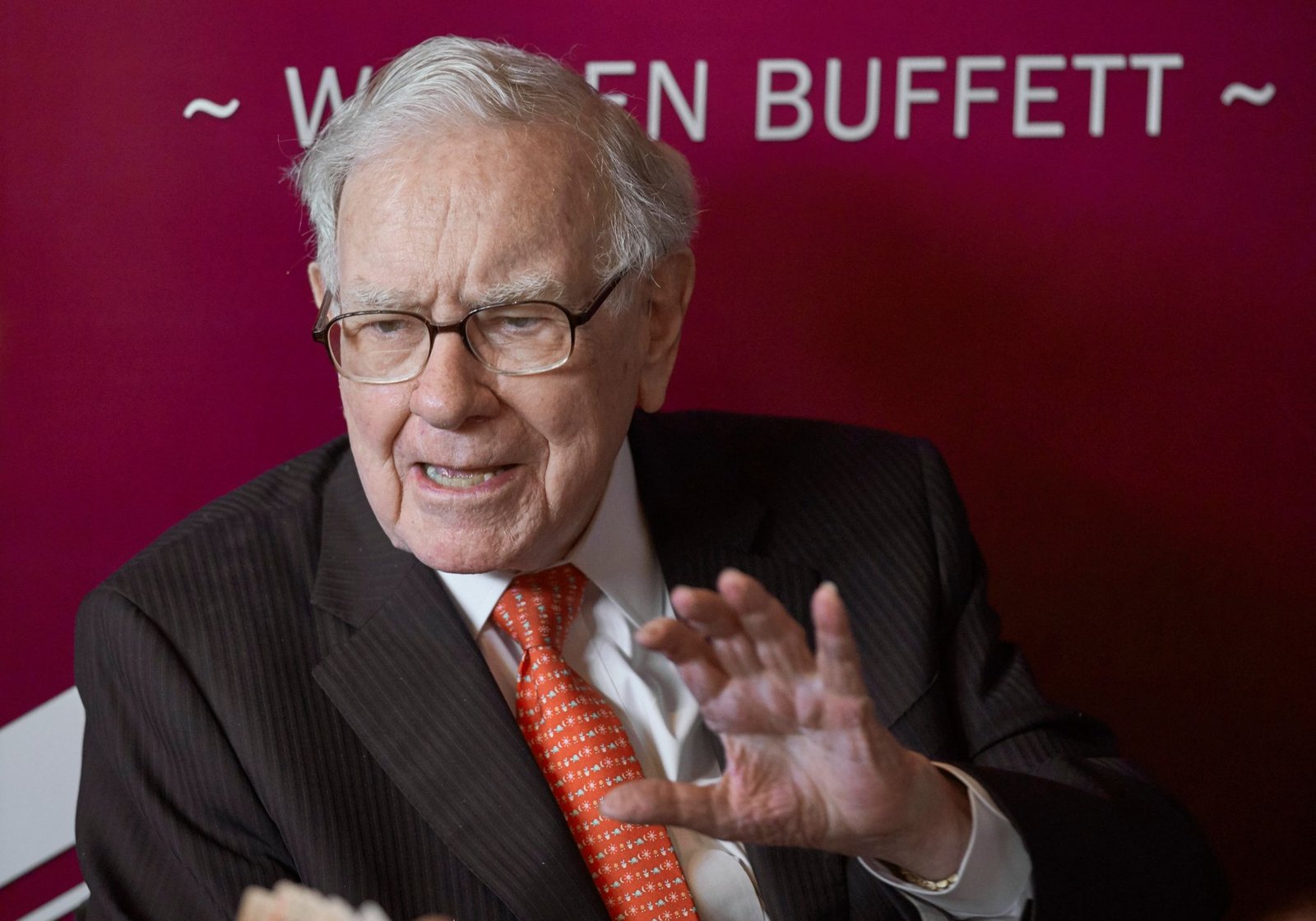








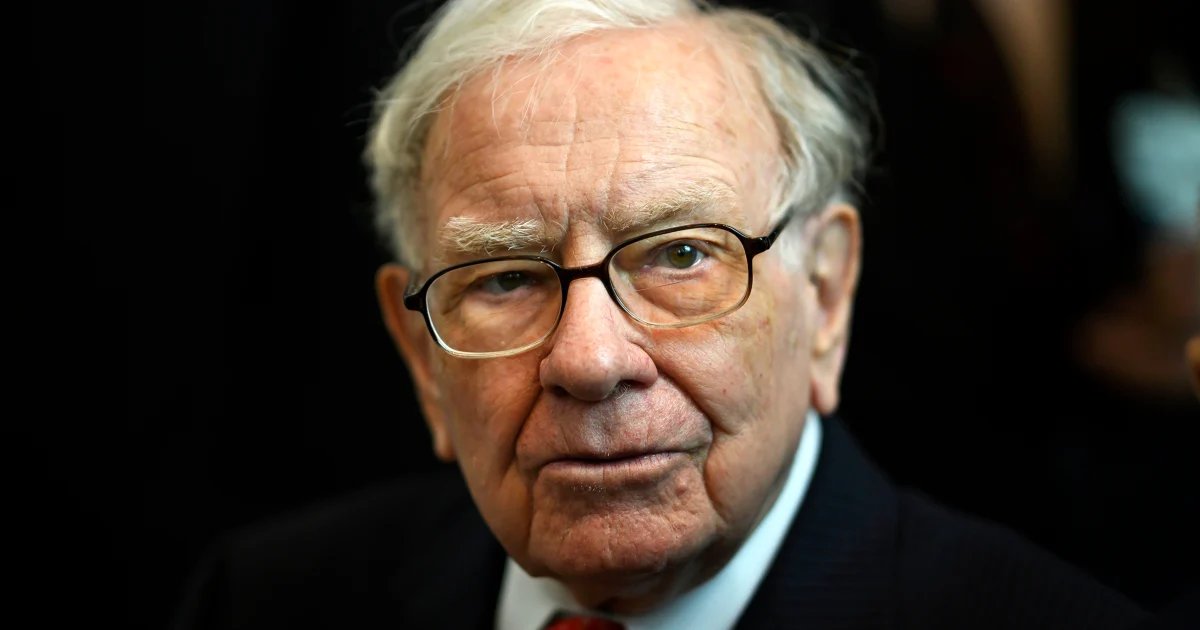
Warren Buffett, the legendary “Oracle of Omaha” who transformed Berkshire Hathaway from a struggling textile mill into a global trillion-dollar powerhouse, has officially stepped down as chairman. At 96 years old, Buffett is transitioning to the role of chairman emeritus, marking the final chapter of a professional career that has defined modern investing for over six decades.
The move, announced by Berkshire on Friday, follows his retirement as CEO eight months ago—a position now held by his longtime lieutenant, Greg Abel. While Howard G. Buffett has been named the new chairman, the elder Buffett will retain a seat on the board of directors, ensuring that his decades of institutional knowledge remain accessible to the firm’s leadership.
## A Legacy of Unrivaled Market Performance
Buffett’s influence on the American economy is difficult to overstate. Since he began utilizing Berkshire Hathaway as his primary investment vehicle in the mid-1960s, the company achieved an astonishing share price appreciation of more than 5,500,000%. To put this in perspective, the S&P 500 returned roughly 39,000% during the same era, highlighting the immense gap between Buffett’s value-driven strategy and the broader market.
His portfolio reflects a unique mastery of both “old economy” staples—such as BNSF Railway, Geico, and Dairy Queen—and a late-stage embrace of the technology sector that has kept Berkshire relevant in a rapidly digitizing world.
## The Pivot to Tech and Artificial Intelligence
Though Buffett famously championed a “buy what you know” philosophy that often left him skeptical of the tech boom, his recent actions prove he was capable of learning new tricks. In July, he candidly admitted to CNBC that he had missed the boat on Alphabet, the parent company of Google.
Buffett corrected that oversight by initiating a massive stake in the search giant, which has quickly surged to become Berkshire’s fifth-largest holding, valued at over $27 billion. This strategic pivot echoes his successful history with Apple. Having once regretted not investing in the iPhone maker early, Buffett eventually turned Apple into Berkshire’s crown jewel, currently valued at nearly $80 billion. His influence even extended into Apple’s boardroom; he famously advised the late Steve Jobs to initiate share buybacks, a move that helped redefine the company’s capital allocation strategy.
By aggressively entering the AI and search landscape through Alphabet, Buffett signaled to the markets that even the most traditional investors must adapt to the dominance of software-driven giants. As the technology sector continues to integrate AI into every facet of the consumer experience—from Google Search updates to cloud computing infrastructure—Buffett ensured that Berkshire remains positioned at the vanguard of this transformation.
## Passing the Torch and Philanthropic Vows
In his final letter to shareholders as chairman, Buffett adopted a characteristically humble tone. “Father Time always wins,” he wrote, acknowledging the physical limitations that come with age while expressing complete confidence in the succession plan he helped orchestrate.
Beyond his financial acumen, Buffett leaves behind a monumental philanthropic legacy. With a net worth exceeding $145 billion, he has cemented his status as one of the world’s most generous donors. Through his work with the Bill & Melinda Gates Foundation and the creation of “The Giving Pledge,” he has committed to donating over 99% of his wealth to charity.
As the business world turns its eyes toward the leadership of Greg Abel and Howard G. Buffett, the departure of the elder statesman marks the end of an era. Warren Buffett exits the boardroom not just as an investor, but as an architect of the modern global economy, having successfully bridged the gap between the industrial foundations of the 20th century and the high-tech, data-driven markets of today.
Disclaimer: This content is auto-generated for informational purposes only.
Source: Read Original News