







India Faces Threat of Driest Monsoon Season in 17 Years
India is bracing for the possibility of its driest monsoon season in nearly two decades. Recent forecasts suggest the nation is heading toward its weakest rainy period since 2009, a development that has sent ripples of concern through the agricultural sector and economic policy circles. Driven largely by the recurring El Niño climate phenomenon—which disrupts traditional weather patterns—the anticipated shortfall in rainfall could have significant implications for the country’s agrarian-dependent economy.
The monsoon season, which typically spans from June to September, is the lifeblood of India’s agriculture. It provides the water necessary for the Kharif crops, including staples like rice, pulses, and oilseeds. Because a vast portion of India’s farmland relies on rain-fed irrigation, any substantial deficit in precipitation threatens not only the yield of these essential crops but also the livelihoods of millions of farmers.
Mounting Risks to Harvests and Food Security
The potential for a weak monsoon has immediately flagged concerns regarding domestic food supply and inflation. As agricultural yields face the risk of stunted growth or total failure, the secondary impact is expected to be a rise in food prices. When crop production falls, the resulting market scarcity often drives up costs for consumers, creating inflationary pressure that can complicate broader economic stability.
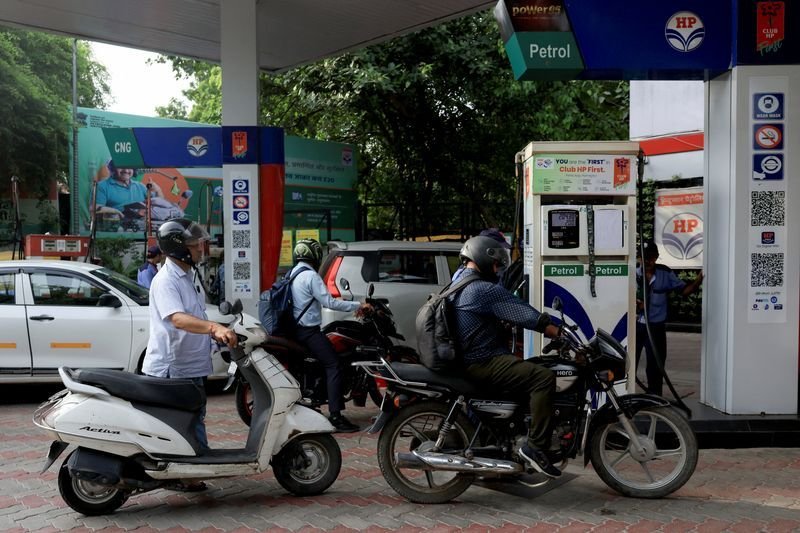
Market analysts are closely watching the situation, as a poor harvest could force the government to reconsider its export policies to protect domestic supplies. With food inflation already a sensitive topic, the prospect of a supply-side shock due to weather conditions is a challenge that policymakers are currently forced to monitor with increased scrutiny. The resilience of India’s food security system will be tested if the current rainfall projections hold true.
Potential Relief via the Bay of Bengal
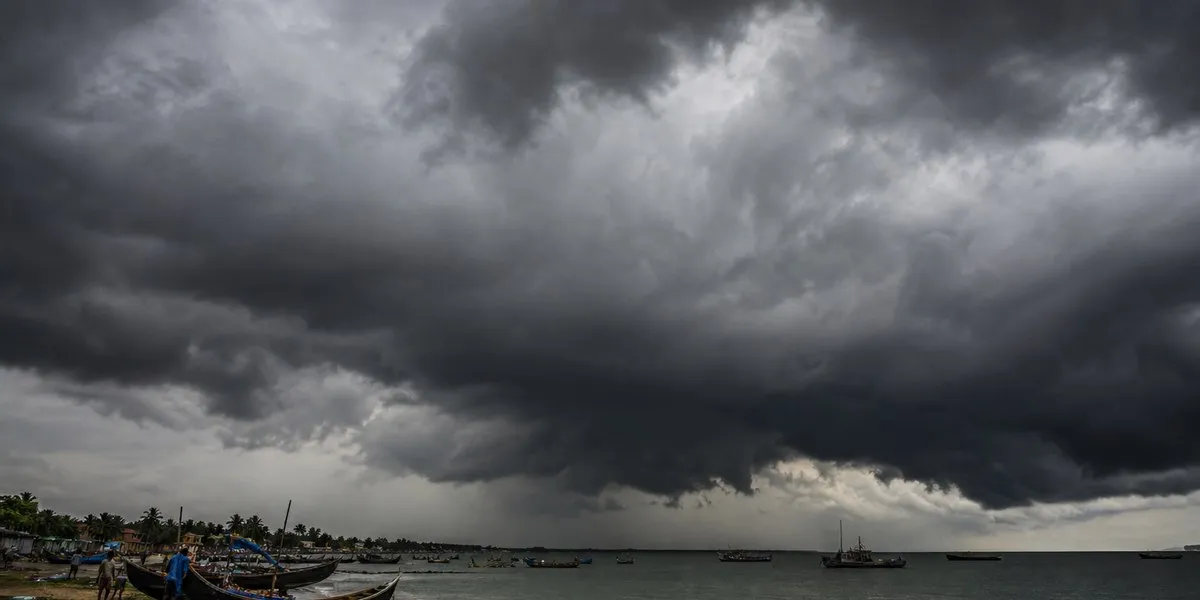
Amid the gloomy outlook, meteorologists have noted a slim possibility of a reprieve. Weather models indicate the potential formation of a tropical cyclone in the Bay of Bengal. If this system materializes and follows a favorable trajectory, it could bring much-needed moisture to eastern and northeastern India, potentially alleviating some of the rainfall deficits in those regions.
However, experts remain cautious. A singular weather event like a cyclone cannot be relied upon to entirely reverse a season-long trend of erratic rainfall. Furthermore, while such a system might mitigate local dryness, it carries its own set of risks, including the potential for severe flooding, storm surges, and infrastructure damage. The report on these conditions stresses that the formation of such a cyclone is not guaranteed, nor is there any certainty that it would sufficiently compensate for the widespread lack of rainfall across the rest of the subcontinent.
A Strained Agricultural Outlook
As the season progresses, the Indian government and local administrations are urged to prepare for various scenarios, ranging from water rationing to potential relief packages for farmers. The reliance on the monsoon remains a defining characteristic of India’s seasonal reality, and the looming threat of an El Niño-impacted year highlights the country’s ongoing struggle with climate variability.
For now, the nation waits for more definitive meteorological data. While the prospect of the driest season in 17 years remains a forecast rather than a finalized event, the current indicators suggest a challenging period ahead for India’s agricultural output and its economic health. Farmers, policymakers, and markets remain on high alert as the skies continue to dictate the coming months’ economic trajectory.
Disclaimer: This content is auto-generated for informational purposes only.
Source: Read Original News