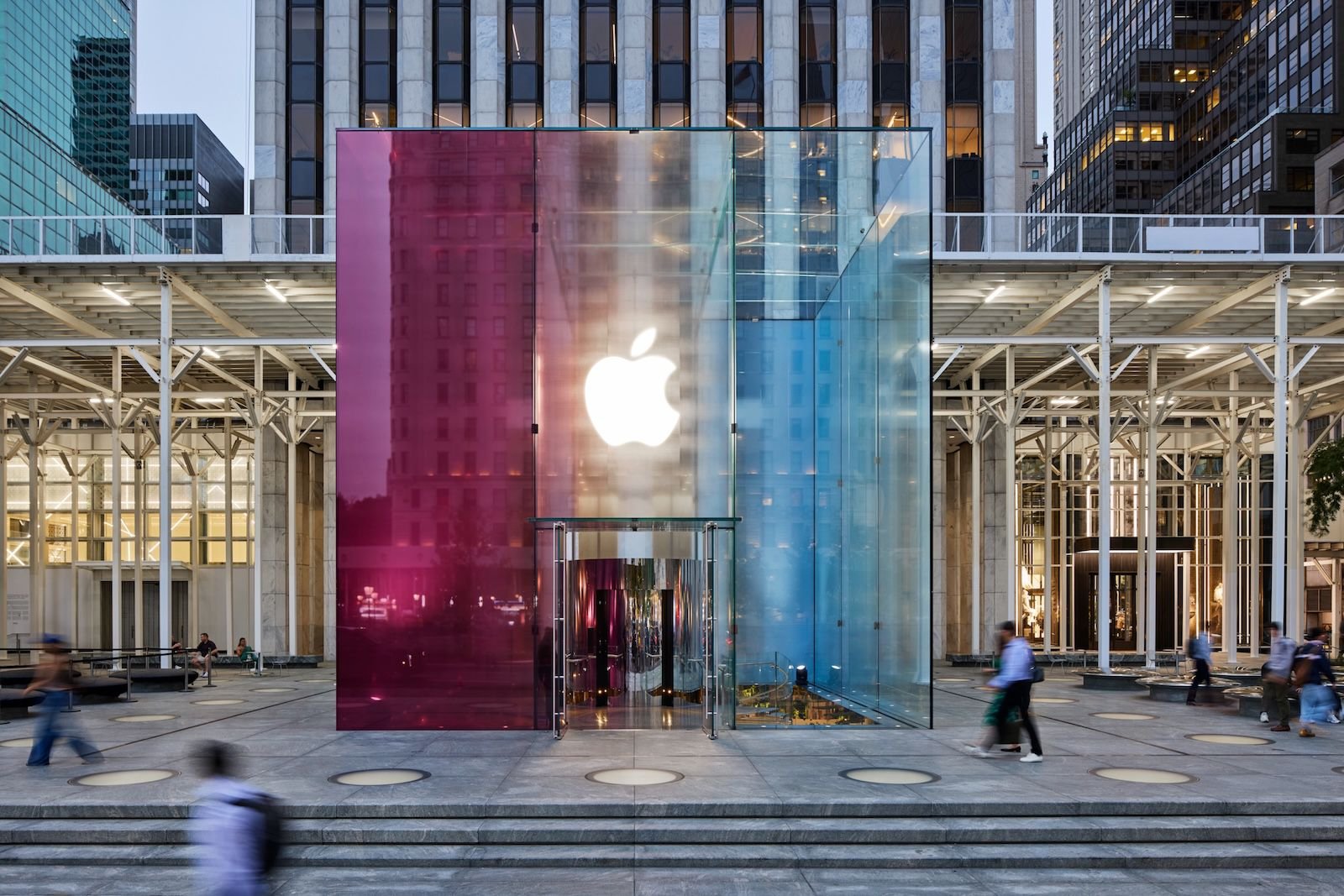










The official release of the iPhone 18 series marks a significant turning point for Apple, representing the first major hardware rollout under the leadership of CEO John Ternus. As enthusiasts gathered at global flagship stores, the primary focus remained on the breakthrough hardware architecture and the integration of advanced software capabilities. The launch highlighted not only the latest in mobile silicon but also the company’s pivot toward refined industrial design and extended operational efficiency.
The Dawn of 2-Nanometer Architecture
The most significant technical advancement in the iPhone 18 Pro and Pro Max is the introduction of the A20 Pro chipset. This processor is the first to utilize a 2-nanometer architecture, a milestone in semiconductor manufacturing that pushes the boundaries of transistor density and power efficiency. By reducing the size of the nodes, Apple has enabled a higher concentration of processing power within the same footprint, leading to substantial gains in thermal management and raw computational speed.
Early adopters and industry observers have identified this transition as the primary driver for the device’s enhanced performance. The 2nm process allows the A20 Pro to handle complex machine learning tasks with greater efficiency, which is essential for the device’s new suite of artificial intelligence features. The move to such a small node size also suggests a long-term strategic shift, as it establishes a new performance baseline for the company’s future product roadmap over the next decade.
Camera Overhaul and Variable Aperture
Photography remains a core focus of the Pro series, and the iPhone 18 marks the most substantial camera revision in recent years. The system centers on a 48-megapixel sensor that now features a fully variable aperture. Unlike previous iterations that relied heavily on digital processing to simulate depth-of-field, the physical aperture mechanism allows users to manually control the amount of light entering the lens, providing genuine optical control over exposure and bokeh.
This feature is designed to cater to both casual photographers and professionals who require fine-tuned control over their imaging environment. The hardware change works in tandem with the updated image signal processor within the A20 Pro chip to produce higher dynamic range and improved low-light performance. By marrying hardware-level optical adjustments with advanced computational photography, Apple has aimed to close the gap between mobile devices and professional-grade mirrorless cameras.
Efficiency and Battery Longevity
Beyond processing and optics, the iPhone 18 series addresses one of the most common user demands: battery endurance. Through a combination of the power-efficient A20 Pro architecture and high-density battery cell technology, the Pro Max model offers up to 43 hours of video playback, while the standard Pro version reaches up to 34 hours.
This leap in battery life is a direct consequence of the 2nm chipset’s reduced power draw. Under heavy workloads, such as video rendering or gaming, the device maintains lower power consumption levels, effectively increasing the time between charges. This enhancement is complemented by refined power management software within the latest version of the operating system, which optimizes background tasks to ensure that the device remains functional for longer periods without requiring significant hardware bulk.
Software Integration and Siri Revitalization
The iPhone 18 launch coincides with the deployment of iOS 27, which features a completely rebuilt version of the Siri assistant. Powered by next-generation Apple Intelligence, this version of the assistant is built to understand complex, multi-part commands and context-aware queries. By moving away from rigid command structures, the new assistant can perform tasks across multiple applications, serving as a more intuitive interface between the user and the phone’s hardware.
Additionally, the interface includes a redesigned, smaller Dynamic Island, which provides more screen real estate while maintaining the signature interactive notification system. These software refinements, combined with the underlying intelligence layer, represent a shift toward a more proactive user experience where the device anticipates needs based on usage patterns and environmental data.
A New Direction for Apple Hardware
The September launch also served as a stage for the broader Apple ecosystem, with the introduction of the Apple Watch Ultra 4 and the AirPods 5. These wearables continue the theme of incremental hardware upgrades, focusing on sensors that provide more granular data regarding health and environmental conditions.
Furthermore, the public preview of the iPhone Duo—Apple’s first foray into the foldable smartphone market—signals that the company is prepared to enter new form-factor categories. While the Pro and Pro Max satisfy the demand for traditional high-performance handsets, the Duo represents a testbed for foldable display technology and a new user interface paradigm. As the company moves past the initial launch window, the industry will be watching to see how the combination of 2nm silicon, the redesigned Siri, and potential future foldable integration establishes a new standard for mobile computing.
Disclaimer: This content is auto-generated for informational purposes only.
Source: Read Original News