



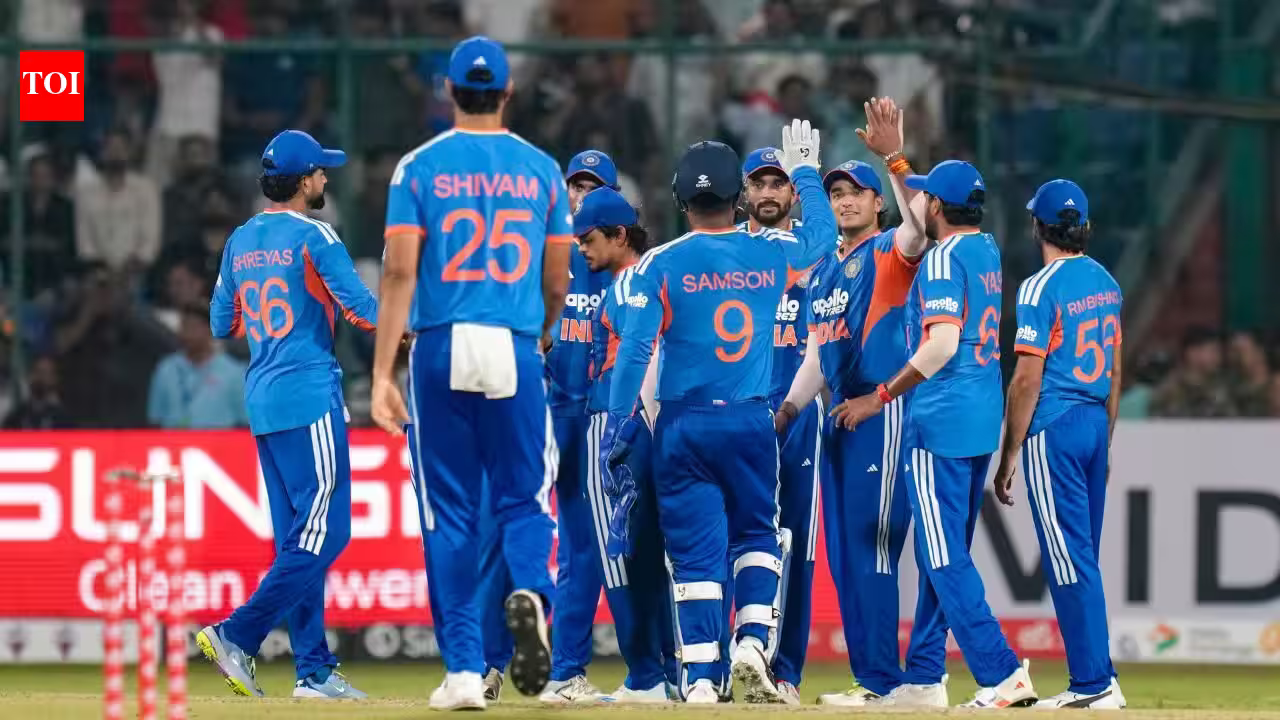


STABILITY has become the elusive holy grail for the Indian cricket team in recent months. As the national side navigates a congested calendar across all three formats, the constant flux of personnel due to injuries and fitness concerns has hampered the team’s ability to build a cohesive, long-term unit. From the white-ball challenges against Afghanistan to testing red-ball environments in England and Sri Lanka, the “think tank” has rarely had the luxury of naming a settled XI, leading to an environment where talent, at times, struggles to find its footing.
However, a new strategy is beginning to emerge from the dressing room, one that prioritizes player development and succession planning over the immediate, often fragile, comfort of established stars. At the heart of this shift is the grooming of young sensation Nitish Kumar Reddy, who is being molded into a pivotal seam-bowling all-rounder—a profile that Indian cricket has famously struggled to balance for decades.
The “Hardik” Conundrum and the Need for Depth
The presence of Hardik Pandya has long been both a blessing and a tactical bottleneck for India. While Pandya’s world-class ability to shift momentum remains unmatched, his recurring injury layoffs have left the team management in a precarious position. The challenge is clear: how to integrate emerging talent without relegating them to the bench the moment a senior player returns?
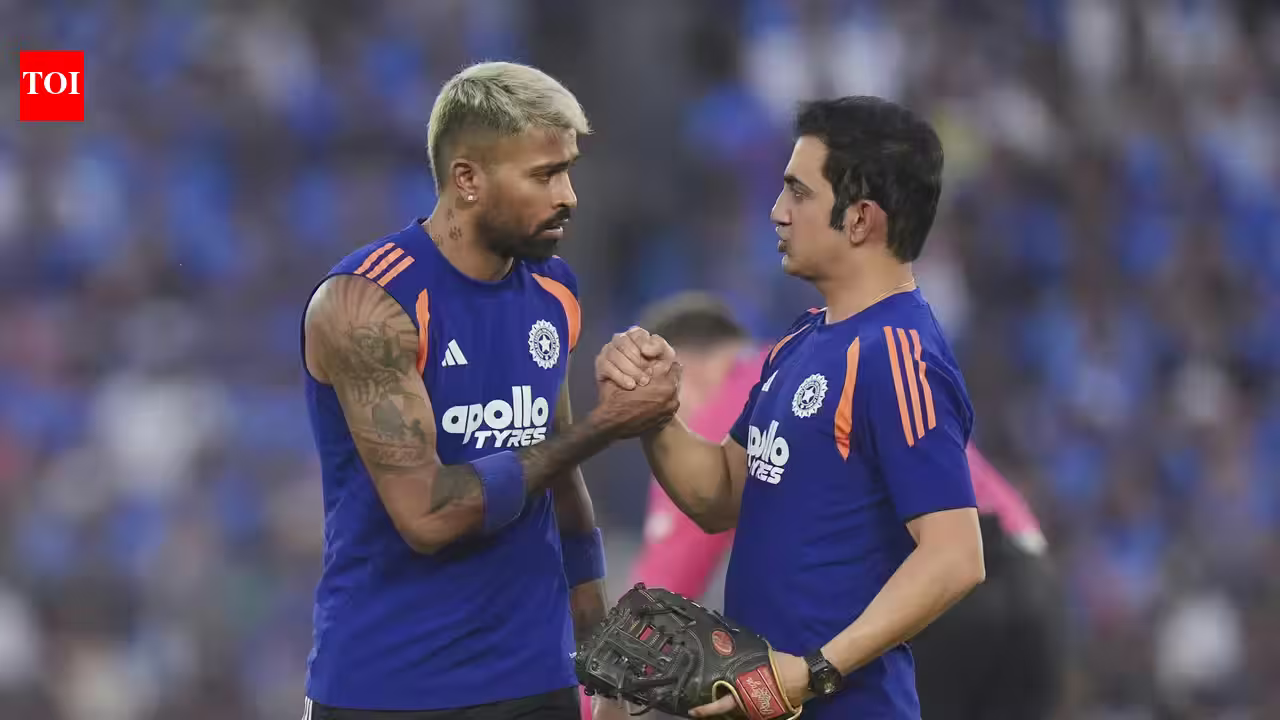
Head coach Gautam Gambhir has addressed this issue head-on, rejecting the notion that the return of a senior star must necessarily result in the exclusion of a burgeoning prospect.
“The more the merrier,” Gambhir remarked when questioned about the potential conflict between Pandya and Reddy. “Once Hardik comes back, obviously, it’s going to be good. Sometimes we could even go on to play both of them in the playing 11.”
This tactical flexibility signals a departure from the “either-or” mentality that has plagued Indian selection policies. The reality of modern cricket is that managing workload is not just a suggestion; it is a necessity. Addressing Pandya’s fitness, Gambhir noted, “If he cannot bowl 10 overs and hasn’t played a lot of cricket since the IPL, we don’t want to push him into international cricket because it can be extremely tough on your body as well.”
Nitish Kumar Reddy: The Rising Asset
Reddy’s trajectory serves as a blueprint for how the current management intends to handle high-potential youngsters. Rather than rushing him into environments he isn’t prepared for, the board made the calculated, albeit bold, decision to withdraw him from the Asian Games squad. The objective was to secure him more substantial game time in the ODIs—a move aimed squarely at preparation for the next World Cup cycle.
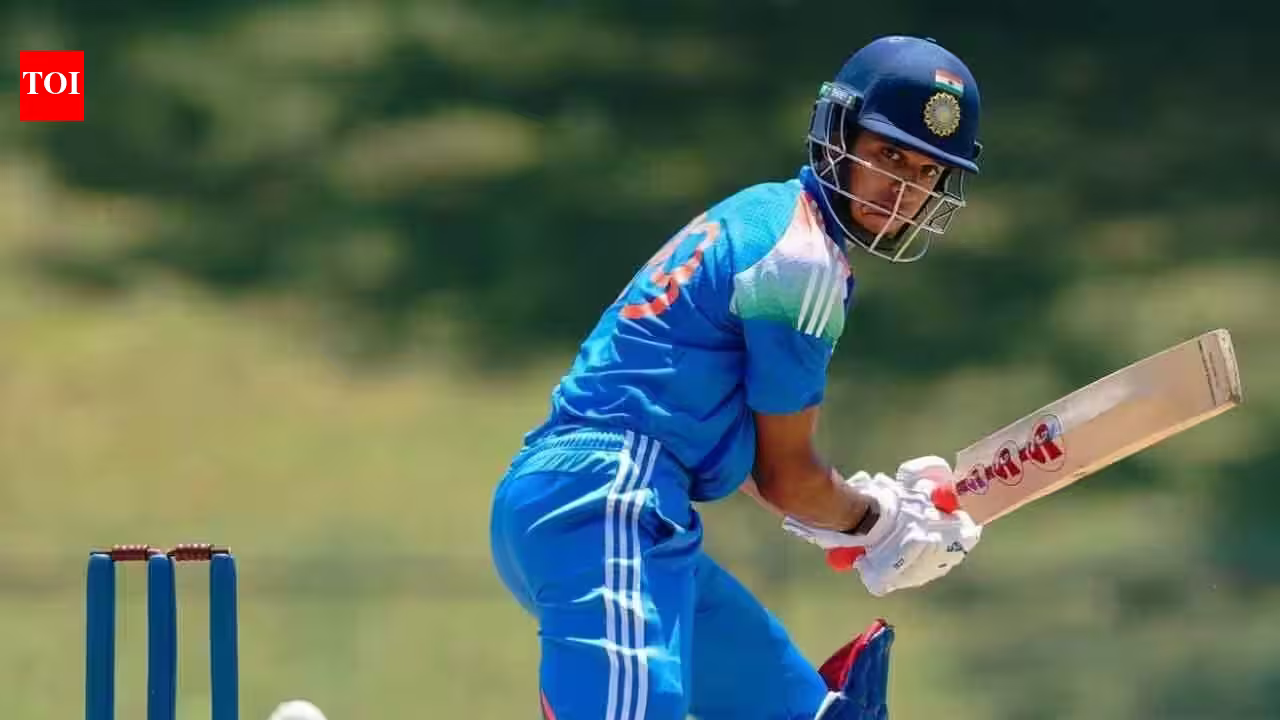
Reddy has responded to this investment with professional maturity. After a rocky start in his early outings, his bowling saw a marked improvement during the series against Afghanistan, where he claimed three wickets in consecutive matches. His work at the BCCI Centre of Excellence has clearly paid off, yielding a more robust, athletic, and aware cricketer.
“We want to expose him to most of the international games because we know how important he is,” Gambhir explained. “Whether it’s in the 50-over format or going forward in T20s as well, because there are not many going around, guys who can bowl and who can bat in the middle order. It’s a massive positive, the way he’s bowled in this series.”
Building for the Future: The Road to South Africa
The vision extends beyond the current series. By accelerating the growth of multiple seam-bowling all-rounders, India is looking to mitigate the risks that come with over-reliance on a single individual. As Gambhir highlighted, the goal is to develop depth that will prove “handy” when the team travels to South Africa in a year’s time—a destination that notoriously demands high-quality pace and reliable middle-order batting.
For Reddy, the withdrawal from the Asian Games and the subsequent inclusion in the ODI setup against the West Indies is a vote of confidence that few young players receive. It provides the “consistent game time” that management has identified as the primary catalyst for growth.
A New Philosophy
The overarching sentiment within the camp is one of pragmatic patience. Injuries are inevitable, and the rapid pace of the international game rarely offers players the time to find their rhythm. By deliberately creating a pipeline where players like Reddy can flourish alongside, rather than behind, established icons like Pandya, the Indian management is attempting to solve a chronic issue of squad insecurity.
Whether this dual-all-rounder strategy will lead to the stability India so desperately craves remains to be seen. However, for a team that has spent too much time reacting to setbacks, the proactive approach toward nurturing Nitish Kumar Reddy feels like a necessary step toward building a squad that is not only talented but truly future-proof. As the dust settles on the recent series, the message is loud and clear: India is no longer looking for a quick fix; they are building for the long haul.
Disclaimer: This content is auto-generated for informational purposes only.
Source: Read Original News