





Nagoya is currently the epicenter of a logistical storm, as the 20th Asian Games find themselves embroiled in a deepening accommodation crisis that has forced the Indian government to seek unconventional aid from the local diaspora. With thousands of athletes descending upon the Japanese city for the continental showpiece, a severe shortage of suitable housing has prompted the Indian Sports Ministry to activate a sophisticated, multi-layered contingency plan to protect the welfare of its delegation.
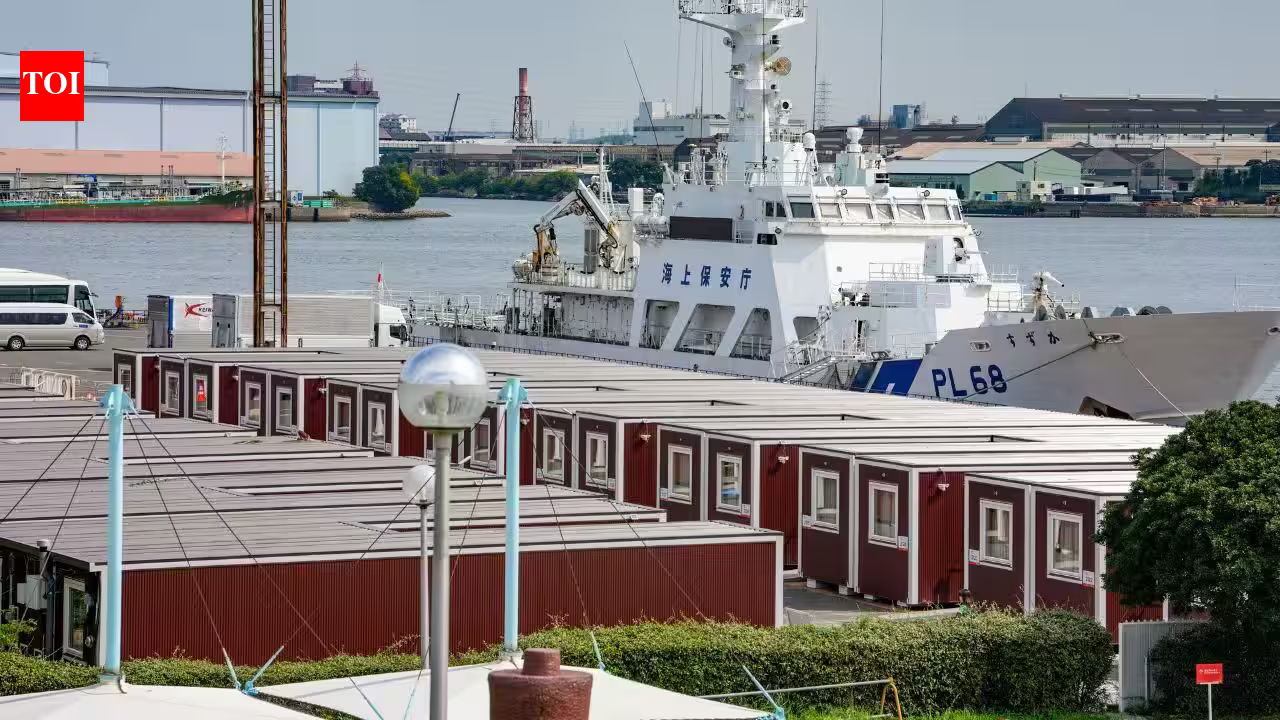
The crisis stems from a controversial decision by the organizing committee to forgo a traditional, centralized athletes’ village. Instead, participants are being dispersed across a patchwork of unconventional facilities, including docked cruise ships, hotels, and makeshift container-style units. While organizers have defended these cost-cutting measures, the reality on the ground has been a chaotic scramble for space that has left athletes from various nations, including India, stranded without adequate lodging upon arrival.
A Three-Tiered Defensive Strategy
Recognizing that the standard logistical protocols were failing, the Indian Sports Ministry, in coordination with the Sports Authority of India (SAI) and Chef de Mission Sehdev Yadav, has launched a comprehensive three-pronged intervention strategy.
The first layer of the plan focuses on immediate ground support at the airport, ensuring that arriving athletes are met by officials who can triage their status and manage expectations. The second layer involves an aggressive and proactive push to secure additional hotel rooms across Nagoya, effectively bypassing the failing centralized booking system.
It is the third layer, however, that marks a significant departure from standard sports diplomacy. The Ministry has officially reached out to the Indian diaspora in Nagoya, requesting that they remain on standby to house athletes should the existing commercial supply of rooms completely evaporate. According to sources close to the development, this unprecedented move is designed to ensure that no Indian athlete is left without a roof over their head as the competition intensifies.
Diaspora Rallies to the Cause
The response from the local Indian community has been nothing short of immediate and supportive. Through the tireless efforts of the Indian Embassy, which has acted as a bridge between the government and the expatriate community, approximately 2,000 Indian families in the Nagoya region have been alerted to the potential housing shortfall.
“The sports ministry has reached out to the Indian diaspora to be on standby to help with the accommodation of its athletes in case there is a shortage of rooms for them during the course of the Asian Games,” a ministry official confirmed. The community’s willingness to open their doors underscores the high stakes of the event, as officials scramble to maintain a sense of normalcy for competitors who are currently facing mounting frustration.
Sehdev Yadav, the Indian Chef de Mission, confirmed on Friday that the crisis is already impacting the contingent. To date, approximately 35 Indian athletes have been forced to relocate to hotels after their designated housing units failed to materialize or were deemed unsuitable upon arrival. With more athletes scheduled to land in Nagoya in the coming days, the pressure on the Ministry to finalize stable, long-term arrangements is mounting by the hour.
Controversy and Political Tension
The logistical failures in Nagoya have not gone unnoticed by the international sporting community. South Korea, a perennial powerhouse in the Asian Games, has been among the most vocal critics, openly questioning the competence of the organizing committee and the viability of the current infrastructure. The fragmented nature of the housing—specifically the use of converted containers—has drawn ire from various national Olympic committees, who argue that such conditions are detrimental to athlete preparation and mental well-being.
In response to the mounting public pressure, the Olympic Council of Asia (OCA) has taken a defensive posture. The governing body has officially rejected the criticism, dismissing claims of systemic failure. In a statement released amid the uproar, the OCA alleged that social media platforms are being utilized to intentionally “politicize the event” and exploit the genuine logistical teething issues that often accompany large-scale multi-sport events.
Despite the OCA’s attempts to downplay the severity of the situation, the reality remains that nearly 11,000 athletes are slated to compete across 43 different sports until October 4. With such a massive influx of personnel into a city struggling to accommodate them, the “container village” model is facing its sternest test yet.
The Road Ahead
For the Indian contingent, the priority remains laser-focused: shielding the athletes from the administrative chaos so they can perform at their peak. While the sports ministry continues to negotiate with local authorities and booking agencies, the “safety net” provided by the local diaspora offers a temporary, albeit necessary, sense of security.
As the Games progress, the international eye will remain fixed on Nagoya, not only for the sporting achievements expected on the track and in the arena but for how the organizing committee navigates a crisis that threatens the integrity of the event. For now, the Indian team, bolstered by the solidarity of their local compatriots, remains prepared to pivot at a moment’s notice, proving that in the face of logistical failure, community and rapid contingency planning may be the only things that keep the spirit of the Asian Games alive.
Disclaimer: This content is auto-generated for informational purposes only.
Source: Read Original News