








Delhi High Court Grants Bail to UK National Jagtar Singh Johal After Eight Years in Custody
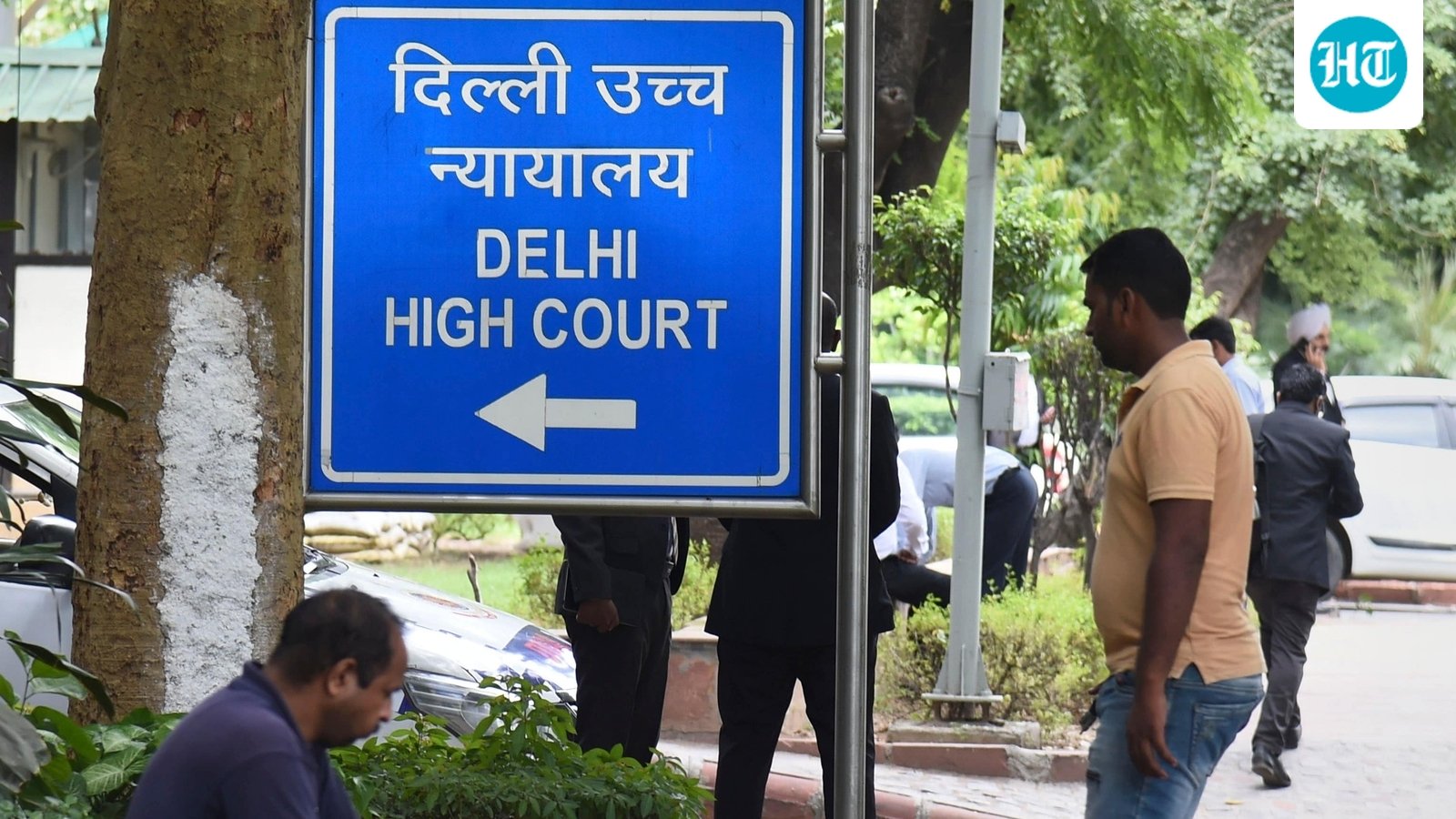
In a significant judicial development, the Delhi High Court on Friday ordered the release of British national Jagtar Singh Johal, who has been held in custody for over eight years in connection with multiple cases investigated by the National Investigation Agency (NIA). A Division Bench comprising Justice Navin Chawla and Justice Ravinder Dudeja set aside previous trial court orders that had consistently denied bail, noting that the prolonged incarceration without the near-term prospect of trial completion necessitated judicial intervention.
The court’s decision concludes a protracted legal battle for Johal, a UK-based blogger whose arrest had previously drawn international attention and stirred diplomatic discourse. While the court has permitted his release, it has mandated a set of rigorous conditions to ensure his presence at trial and the integrity of the ongoing legal proceedings.
Strict Bail Conditions Imposed
The High Court bench stipulated that Johal must execute a personal bond of ₹5 lakh, along with two sureties of an equivalent amount. Among the primary conditions for his release, Johal is required to surrender his passport. In the event that he does not possess a valid travel document, he is mandated to file a formal affidavit confirming this status.
To ensure constant monitoring, the court has directed Johal to limit his communication tools to a single mobile phone and a single landline number, both of which must remain operational and accessible to investigators at all times. Furthermore, he is required to provide his precise residential address, email, and contact details to both the trial court and the investigating officer. Any intention to alter his residence or change his contact information must be communicated to the authorities in writing at least seven days in advance.
Restrictions on Digital and Public Conduct
The judiciary has placed significant limitations on Johal’s freedom of expression and digital footprint to prevent any interference with the judicial process. He is strictly prohibited from making public statements—whether through traditional print media, electronic channels, or social media—regarding the merits of the evidence, the witnesses, or the substance of the trials.
The court further extended these prohibitions to his digital life, explicitly barring him from participating in any WhatsApp groups or social media forums that circulate “anti-national material.” Johal is prohibited from uploading, sharing, or disseminating any content that could be construed as such. He is required to submit a formal undertaking to the trial court promising strict adherence to these digital boundaries.
Ensuring Judicial Integrity
Beyond his digital conduct, the High Court has imposed a blanket ban on any form of witness intimidation or interference. Johal is forbidden from attempting to influence, threaten, or contact any prosecution witnesses, protected individuals, or complainants linked to the seven NIA cases. Additionally, any attempt to tamper with digital evidence or documentation relevant to the prosecution is strictly prohibited.
As part of his routine compliance, Johal must report to the investigating officer on a fortnightly basis and ensure his attendance at every scheduled court hearing, unless he has been granted a specific exemption by the trial judge. By setting these stringent parameters, the Delhi High Court has sought to balance the fundamental rights of the accused, given the extraordinary length of his pre-trial detention, with the requirements of national security and the need for an unhindered trial process.
Disclaimer: This content is auto-generated for informational purposes only.
Source: Read Original News