








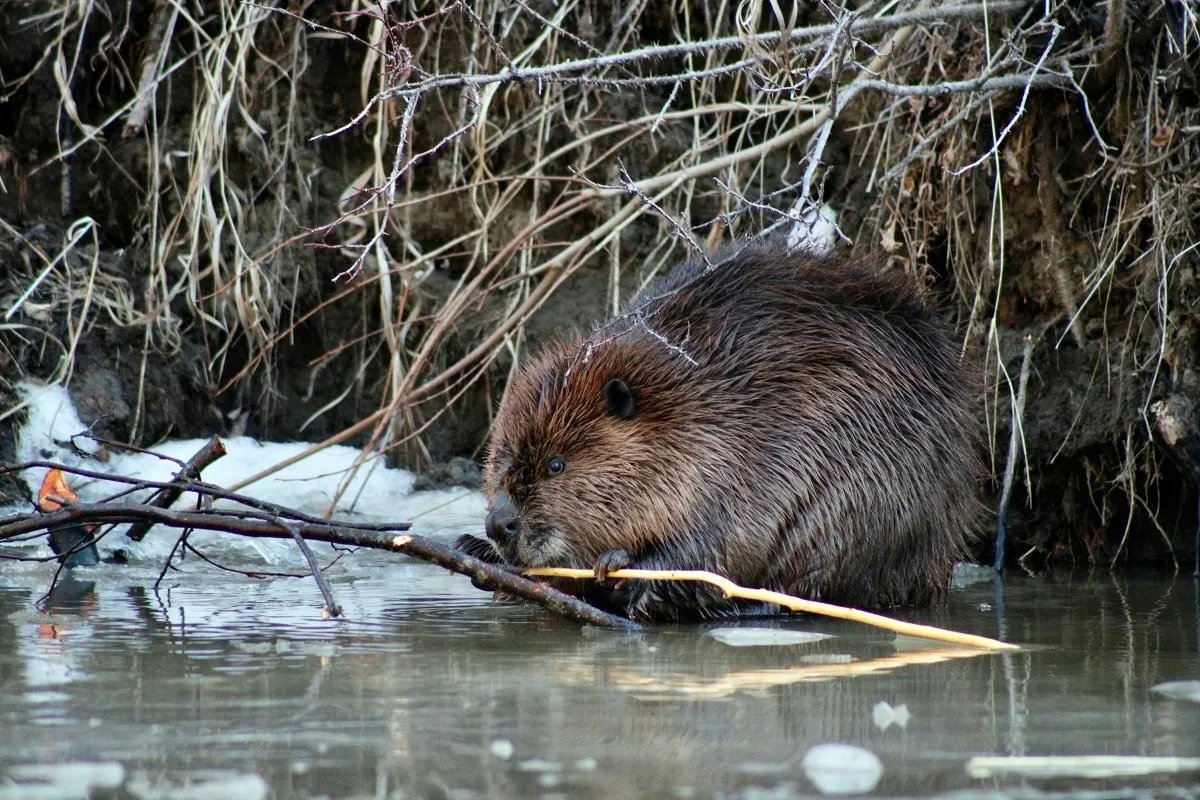
After an absence of four centuries—and eight centuries in Derbyshire—Eurasian beavers have returned to the Midlands. Over the past five years, the Beaver Trust, working in partnership with local conservation organizations, has successfully established new colonies across several wildlife sanctuaries and woodlands in the region. These reintroductions are central to broader rewilding efforts, as the animals act as “ecosystem engineers,” helping to restore natural features that reinvigorate the countryside.
The Eurasian beaver, the largest rodent in Europe, is estimated to have inhabited the UK for 30 million years. However, by the 12th century, the species was extinct in Wales, and by the 16th century, they had vanished from England and Scotland. Their decline was driven by relentless hunting for their meat, which was considered a delicacy, and their fur, which was highly valued for waterproof hats and warm clothing. This pressure, combined with rapid deforestation and urbanisation, led to their total disappearance until modern conservation campaigns gained momentum in the mid-1990s.
Rewilding, the process of restoring natural ecosystems to previously farmed or developed land, is a key driver for the current reintroduction program. This approach often involves meandering rivers and streams back to their original courses and reintroducing native species. Beavers are crucial to this mission; by building dams and creating wetlands, they slow water flow, which helps mitigate flood risks and creates essential habitats. Their work also sustains other wildlife—such as otters, voles, and waterbirds—by ensuring water availability remains stable during periods of drought.
Despite the environmental benefits, the return of the beaver has not been without controversy. While conservationists applaud the species’ contribution to biodiversity, some farmers and landowners have raised significant concerns. The primary friction stems from the potential for beaver dams to cause localised flooding on agricultural land. Furthermore, as beavers are industrious builders, they frequently fell and strip trees, leading to potential economic losses in surrounding woodlands that farmers must manage themselves. Angling groups have also expressed caution, suggesting that dams may disrupt the migration routes of fish species like trout and salmon, which are already experiencing population declines.
A further complication arises from the lack of natural predators in the UK. Historically, animals such as wolves and lynx helped regulate beaver populations. While discussions regarding the reintroduction of these predators continue, they remain contentious due to fears regarding livestock safety.
These challenges have made structured rural planning vital. The rise in “beaver bombing”—the unauthorized release of beavers into the wild by private individuals—has prompted government intervention. To manage these releases and protect both the animals and the interests of landowners, the Department for Environment, Food and Rural Affairs (Defra) launched a formal beaver reintroduction license scheme in February 2025. This regulatory framework aims to balance the expansion of colonies with the practical realities of land management.
Public reception to the beaver’s return has been overwhelmingly positive, marked by significant interest in the new colonies. Kits have been successfully born at all four of the Midlands reintroduction sites, a sign that the species is thriving in its ancestral home. Throughout the extreme weather events of 2026, the newly restored wetlands proved their worth by supporting a wide variety of wildlife through heatwaves. As these colonies stabilize, the vision of a resilient, biodiverse landscape supported by one of its oldest inhabitants appears to be becoming a lasting reality.
Disclaimer: This content is auto-generated for informational purposes only.
Source: Read Original News