








The Art of Moving Forward
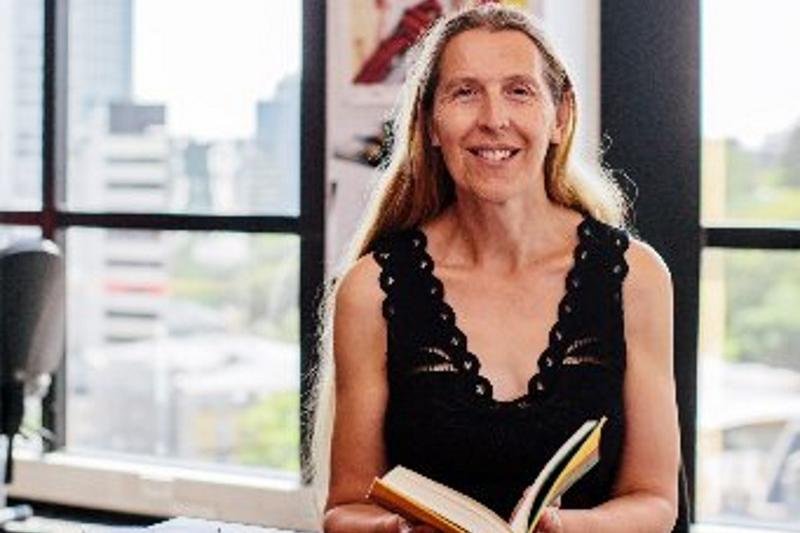
We all have moments from our past that cling to us like a favorite old sweater—some that provide warmth and comfort, and others that just feel itchy and worn out. Siobhan Harvey’s memoir, What We Remember, What We Forget, recently reminded me that our history isn’t just a dusty library of facts. It is a living, breathing part of our daily routine. While most of us aren’t writing memoirs, we are all authors of our own lives, deciding every morning which memories to pack in our bags and which ones to leave at the door.
Living well isn’t about scrubbing away the tough parts of your history. Instead, it is about learning how to balance the weight of what we carry. If you find yourself dwelling on past regrets or difficult chapters, try to treat those thoughts like heavy furniture. You do not need to keep every piece in the middle of the room. Sometimes, shifting your perspective is as simple as rearranging your space to make room for new experiences.
Embracing the Necessity of Forgetting
There is a strange societal pressure to remember everything. We hold onto old grudges, past failures, and embarrassing moments as if they are trophies. But as Harvey so beautifully points out, forgetting is not a failure; it is a vital human skill. Think of your mind like a closet. If you keep stuffing in every single item you have ever owned, you will never be able to find the clothes you actually enjoy wearing today.
Giving yourself permission to forget the things that no longer serve your growth is a powerful form of self-care. It clears the clutter. When you let go of the need to replay old, painful scenes, you suddenly find yourself with more mental bandwidth for the present. Whether it is a conversation that went wrong three years ago or a past mistake that still stings, practice the gentle art of letting that thought drift away. You are making space for fresh joys, new friends, and better outcomes.
Finding Beauty in the Everyday
When life feels heavy, the best remedy is often to ground yourself in the physical world. Harvey’s work touches on the struggles of identity and the pushback against being your true self, which reminds us that resilience is built in the small, everyday acts of showing up. If you are going through a transition or feeling the weight of the past, focus on the sensory details of your current reality.
Start a morning ritual that belongs entirely to you. Maybe it is the precise way you brew your coffee, the specific route you walk through the park, or the feeling of a soft pen against paper when you jot down a to-do list. These simple, recurring actions anchor us. They provide a sense of stability when the memories of yesterday threaten to pull us off balance. By focusing on the texture, smell, and sound of your current environment, you reinforce the fact that you are present, you are safe, and you are building something new right now.
Curating Your Own Personal Narrative
We often think of style as being about what we wear, but true style is about the narrative we project to the world. Just as we curate our homes or our digital feeds, we can curate the story we tell ourselves about who we are. Harvey’s book shows that even in the face of systemic adversity and personal struggle, we have the agency to decide what our story is about.
You are the editor of your life. If your internal dialogue is dominated by old, critical voices, try to rewrite those scripts. You can choose to be the person who defines themselves by their triumphs rather than their hardships. When you catch yourself thinking, “I am the person who went through X,” try changing it to, “I am the person who learned Y from that situation.” It is a subtle shift, but it changes the entire trajectory of your day.
Writing Your Future
At the end of the day, we are all works in progress. The most stylish, well-adjusted people aren’t those who have perfect pasts; they are the ones who have mastered the art of integrating their past into a future they actually want to live in. Use your history as a teacher, not a cage.
Take a cue from the hopefulness found in the closing pages of Harvey’s memoir. Recognize that you are allowed to move on. You are allowed to be happy even if your history is complicated. Make the decision to let the past remain in the past, and focus your energy on the next chapter. After all, the best part about being the author of your own life is that you are the only one who gets to decide how the story continues. Start writing something bright today.
Disclaimer: This content is auto-generated for informational purposes only.
Source: Read Original News