








Building the Indo-Pacific Triad: India, Japan, and Israel Forge a New Strategic Front
As India and Japan approach the 75th anniversary of their diplomatic relations in April 2027, the two nations are moving beyond symbolic gestures, cementing a “Year of Shared Horizons” with unprecedented security and diplomatic maneuvers. This deepening partnership serves as the bedrock of a new Indo-Pacific security architecture, one increasingly characterized by trilateral synergy involving Israel.
A Historic Pivot in Defense and Diplomacy
The acceleration of India-Japan ties is tangible. This September, the arrival of Japanese F-2 fighters in Jodhpur for the Veer Guardian 26 exercises marked a historic milestone—the first deployment of Japanese combat aircraft to Indian soil. Simultaneously, the two nations are bridging cultural divides with non-traditional diplomacy, including the inaugural India-Japan T20 international cricket match in Sano later this month.
Behind the scenes, this bonhomie is driven by cold, strategic calculations. Prime Minister Sanae Takaichi has accelerated Japan’s shift toward a robust military posture, achieving a 2% GDP defense spending target ahead of schedule. With a projected $64 billion budget by 2027, Tokyo is moving rapidly away from its post-war pacifist doctrine, signaled by the adoption of “counterstrike” capabilities and the establishment of the National Intelligence Bureau. Both New Delhi and Tokyo are acutely aware that 2027 represents a critical window for regional security, as Western analysts monitor China’s military readiness regarding Taiwan.
The Trilateral Necessity
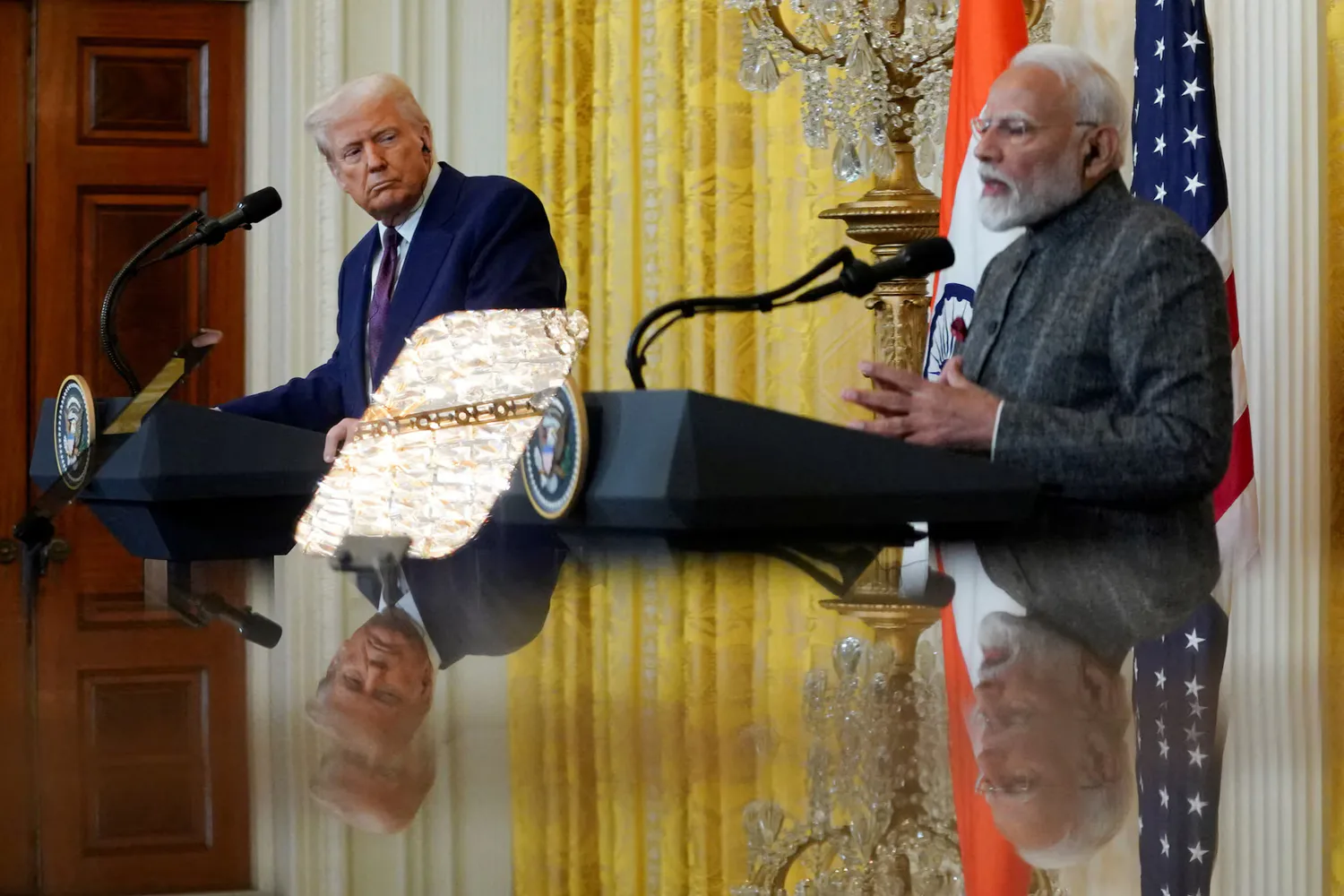
The impetus for this deepening bond is partially reactive. Friction with the United States—driven by protectionist trade tariffs under the Trump administration—has forced both India and Japan to seek self-reliance and regional diversification. While Washington remains a central partner, New Delhi and Tokyo are no longer willing to wait for external intervention to manage their immediate security environment. They recognize that China provides significant backing to their most volatile neighbors, Pakistan and North Korea, necessitating a proactive, locally-driven security framework.
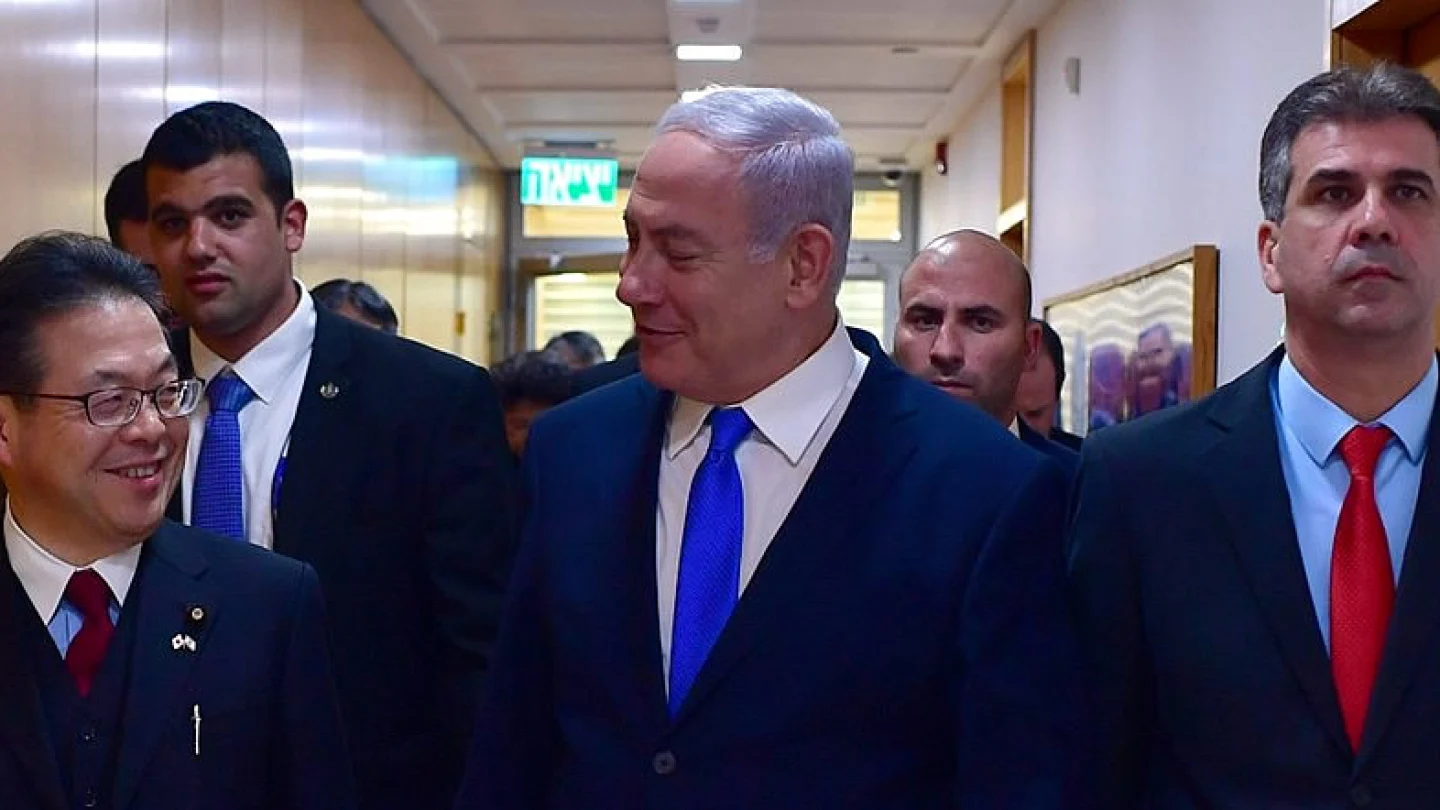
In this high-stakes landscape, Israel has emerged as a vital third pillar. By January 2027, Israel will celebrate 35 years of formal diplomatic ties with India, a relationship that has evolved from quiet, cautious engagement into a full-scale strategic partnership. With Japan also seeking a “special relationship” with the Middle Eastern power, a de facto trilateral alliance is taking shape.
Pax Silica and Future-Proofing
The nexus of this trilateral cooperation lies in technology. Israel, Japan, and India are already foundational members of Pax Silica, the Washington-led coalition designed to secure supply chains for AI and advanced semiconductors.
The next frontier for this trio is the integration of defense-tech. As India and Japan refine the interoperability of their military forces through joint exercises, Israeli firms are uniquely positioned to provide the software, cyber-defense, and missile technology that serves as the “glue” for this hardware. By merging Israel’s innovation and defense-tech experience with India’s manufacturing scale and Japan’s capital and engineering prowess, the three nations are creating a force-multiplier for the coming decade.
The Path Forward
To maximize this potential, analysts suggest that Israel must move beyond bilateral arrangements and formalize its commitment to the region. By adopting an official “Indo-Pacific Strategy” that recognizes New Delhi and Tokyo as its primary anchors, Israel would solidify a regional block capable of deterring aggression and fostering technological autonomy. As the world watches the shifting balance of power in the East, the partnership of these three resilient democracies may well determine the security and economic trajectory of the Indo-Pacific for the next 75 years.
Disclaimer: This content is auto-generated for informational purposes only.
Source: Read Original News