







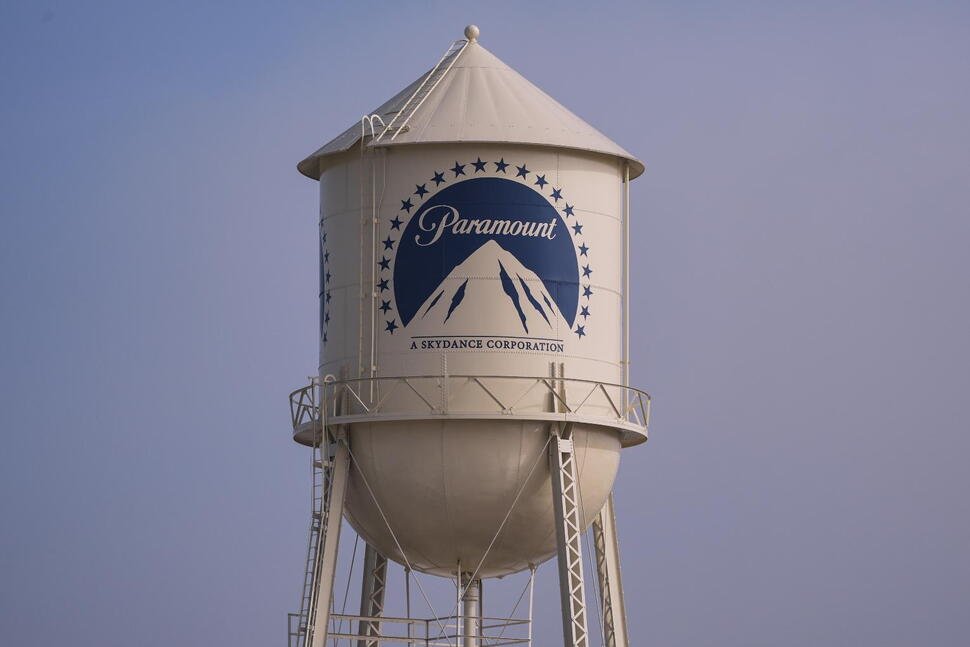
The Federal Communications Commission (FCC) has issued a controversial ruling granting Paramount approval to accept substantial capital from sovereign wealth funds in Saudi Arabia, Qatar, and the United Arab Emirates. The decision clears the path for these foreign entities to hold up to 100% indirect equity interest in the massive proposed merger between Paramount and Warner Bros. Discovery, a deal valued at approximately $111 billion.
While the approval does not grant the foreign funds any voting rights or direct governance, the sheer scale of the investment—reportedly totaling $24 billion—has sparked a fierce debate regarding the independence of American media organizations, particularly news outlets like CBS and CNN that would fall under the consolidated banner.
Regulatory Approval Amidst Global Scrutiny
The FCC’s Media Bureau, led by chief of the video division David Brown, determined that the influx of capital is in the “public interest,” arguing it provides the necessary resources for the media conglomerate to remain competitive in an increasingly globalized market. Paramount has consistently maintained that the Ellison family and RedBird Capital will retain majority control and that the investors are purely financial participants.
However, the move has faced significant pushback from within the commission. FCC Commissioner Anna Gomez condemned the decision, labeling it an unprecedented, “staff-level” maneuver that bypassed a full commission vote. Gomez expressed deep concerns about allowing foreign governments with histories of press suppression to hold such deep-seated financial ties to American news media. Critics argue that even without direct board seats, capital of this magnitude creates a shadow influence that could pressure editorial decisions and corporate governance.
The Tech and Media Landscape in Flux
This development arrives as the media industry grapples with the accelerating intersection of traditional broadcasting and digital-first technology. As tech giants and streaming services continue to dominate the landscape, legacy media companies are seeking massive consolidation to stay relevant. For investors, the ability to bankroll these transitions is becoming a primary lever of control.
The involvement of sovereign funds, specifically Saudi Arabia’s Public Investment Fund, has drawn the attention of high-ranking U.S. lawmakers. Senators Elizabeth Warren and Maria Cantwell have previously signaled their alarm, warning that the national security implications of foreign government-backed influence in domestic news media cannot be overlooked. Despite these warnings, FCC Chairman Brendan Carr has remained a vocal proponent of the deal, previously describing the merger as a positive step for the industry that should be expedited.
Legal Roadblocks Remain
Even with the FCC’s green light, the merger is far from a finalized reality. Paramount is currently entangled in an intensive antitrust legal battle brought forward by a coalition of twelve states and the Writers Guild of America. Opponents of the merger argue that the consolidation of two major media powerhouses would effectively stifle competition, leading to higher costs for consumers and a reduction in programming diversity.
The case is currently slated for trial in March 2026. While Paramount has agreed to pause the merger until the litigation concludes, the company is actively seeking a settlement to avoid further mounting legal costs. If the deal survives the court challenges, it will reshape the media hierarchy, placing an enormous portion of the American news and entertainment landscape under the umbrella of a company heavily underwritten by Middle Eastern sovereign wealth. For now, the industry watches closely to see if the financial backing that secured the FCC’s approval will be enough to navigate the remaining legal and public relations hurdles.
Disclaimer: This content is auto-generated for informational purposes only.
Source: Read Original News