







In the rolling hills of Appalachia, the transition to clean energy is taking a tangible, hands-on form. In April 2026, Johanna Neumann, Senior Director of the Campaign for 100% Renewable Energy at the Environment America Research & Policy Center, visited a local resident named Chris to document his extensive collection of off-grid, DIY solar applications. The visit highlighted a growing national trend: solar energy is moving beyond industrial-scale installations and into the daily lives of everyday citizens.
From rural homesteads to suburban rooftops, solar panels are becoming a ubiquitous feature of the American landscape. They are now standard sights on homes, warehouses, fire stations, and even on the sidelines of youth sports events. For enthusiasts like Chris, however, solar power serves as more than just a utility bill reduction strategy; it is a versatile tool for autonomy, recreation, and resilience.
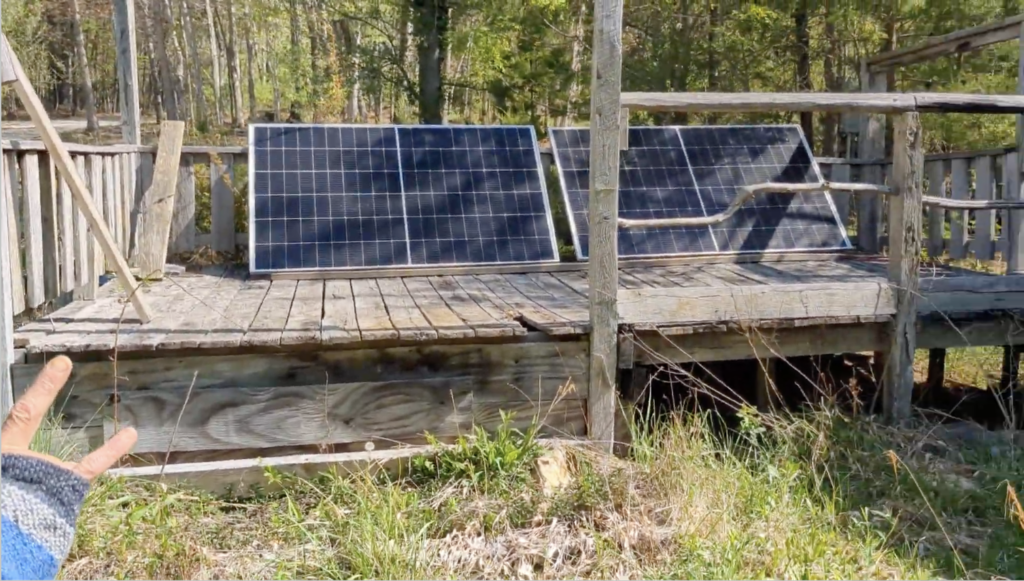
During her visit, Neumann observed a diverse ecosystem of solar-powered assets, including a porch array, a camper, and a work trailer. Chris’s porch installation serves as the hub for his home’s essential functions, powering appliances like refrigerators and lamps, and maintaining internet connectivity. By installing custom power management systems beneath his home, Chris has secured a reliable energy source that protects his family against power grid instability.
The flexibility of these DIY systems extends to mobile applications as well. Chris utilizes a solar-powered camper for family trips, employing mobile, rotatable panels to maximize sun exposure throughout the day. He even utilizes solar to power “bear lights”—a critical safety requirement for his wilderness property. As Chris succinctly put it during the tour, “Free energy—you can’t beat it.”
Beyond personal convenience, these installations serve a broader purpose. The ability to power tools, LED lighting, and even an electric monowheel for transport using only the sun illustrates the practical potential of small-scale, decentralized energy. For Chris, these efforts are rooted in a philosophy of sustainability, emphasizing that personal adoption of clean energy is a necessary step toward a healthier, more resilient future.
However, the path to widespread solar adoption is not without its hurdles. While individuals with specialized technical knowledge can successfully implement off-grid, DIY solutions, the process is significantly more complex for the average homeowner. Those seeking to connect larger solar and storage systems to the existing electric grid often face a maze of bureaucratic inefficiencies, unexpected costs, and lengthy delays.
Environment America notes that as the demand for sustainable energy grows, utility companies must modernize their infrastructure and administrative processes. Making it easier for residents to integrate solar and battery storage into the grid is a critical “common-sense” step toward reaching national climate goals. To help address these systemic barriers, Environment America is currently urging citizens to hold their local utility providers accountable, advocating for streamlined permitting and more accessible grid-connection processes.
As the solar revolution continues to gain momentum, the efforts of individuals like Chris serve as both a model for independent sustainability and a call to action for the energy sector. By removing the obstacles to entry, the vision of a clean-energy future—one where solar power is both reliable and accessible—remains within reach.
Disclaimer: This content is auto-generated for informational purposes only.
Source: Read Original News