






The Geopolitical and Economic Implications of the 2026 Sanctions Act
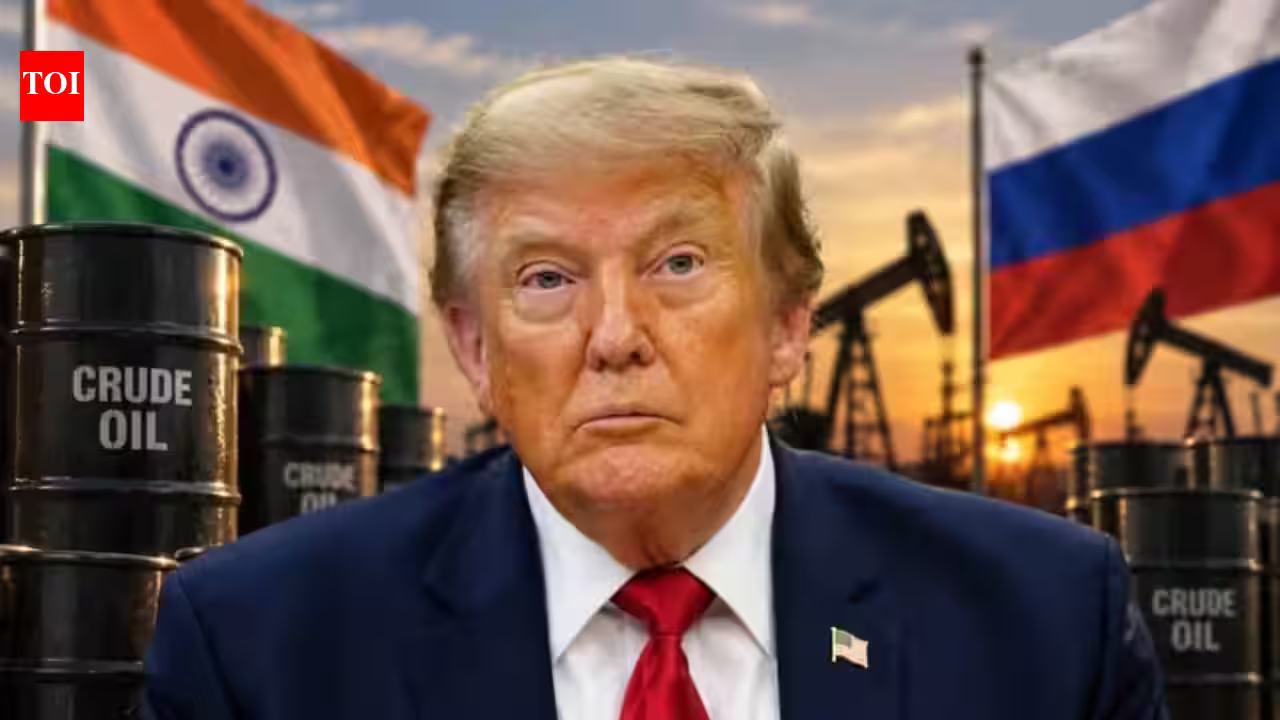
The enactment of the Lindsay O. Graham Sanctioning Russia and Iran Act of 2026 marks a watershed moment in international trade policy and global energy security. By granting the United States administration the authority to impose tariffs of up to 100 percent on imports from the world’s primary purchasers of Russian crude oil and natural gas, the United States has introduced a new level of fiscal leverage into the geopolitical arena. This legislative shift directly confronts the strategic autonomy of nations like India and China, which have maintained robust energy trade relations with Moscow despite sustained Western pressure.
For the Indian economy, which relies heavily on energy imports to fuel its industrial growth and manage domestic inflation, this legislation presents a complex array of challenges. The prospect of secondary sanctions or punitive tariffs poses a direct threat to the current energy architecture that has been carefully cultivated over the past few years. As the United States moves toward a policy of aggressive economic enforcement, the Indian government faces the necessity of recalibrating its foreign policy and energy import strategies to navigate a landscape where historical trade partnerships are increasingly viewed by Washington through the lens of national security and international conflict resolution.
The Energy Dilemma: Navigating Global Supply Chains
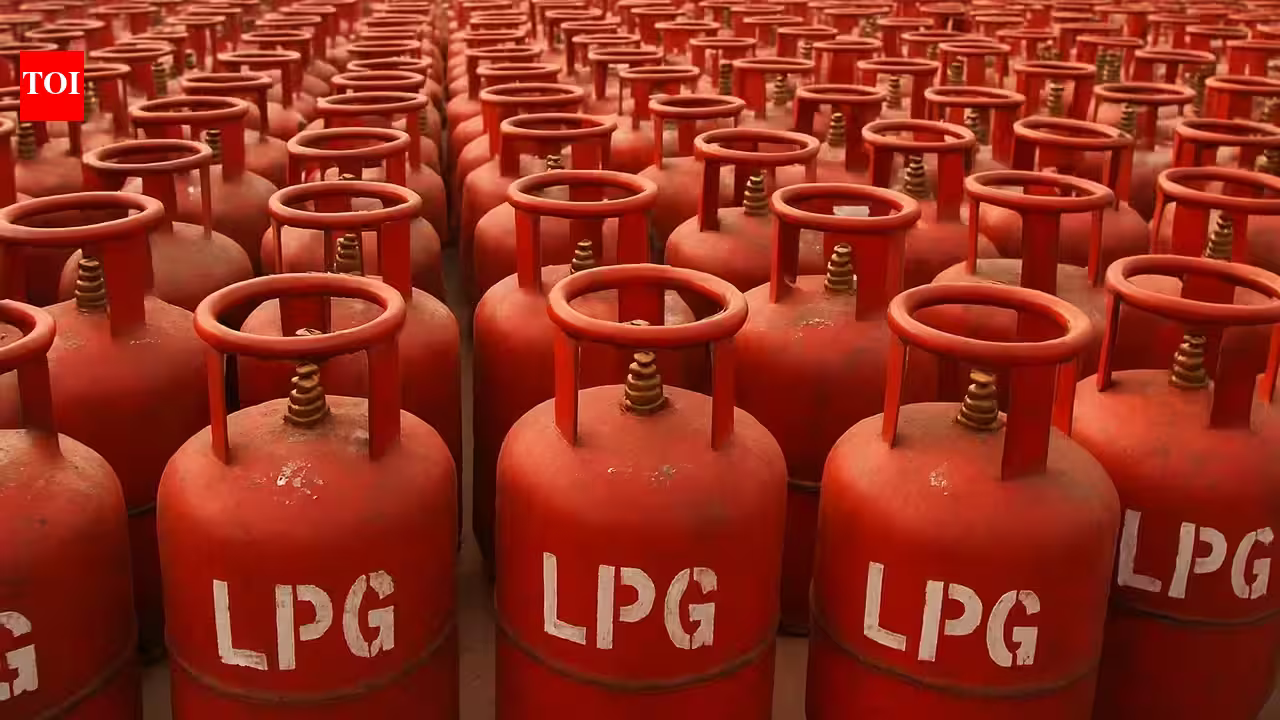
India’s energy security is inextricably linked to the availability of affordable, high-volume crude oil. Following the shifts in the global oil market that began in 2022, Russia emerged as a critical supplier for India, providing crude at competitive rates that helped stabilize domestic fuel prices during periods of global volatility. This trade partnership allowed India to mitigate the inflationary pressures that would have otherwise resulted from purchasing entirely from more expensive, traditional suppliers in the Middle East or North America.
The 2026 legislation specifically targets this flow of capital. By threatening a 100 percent tariff on imports from nations that continue to buy Russian energy, the United States is attempting to dismantle the so-called shadow fleet—a network of vessels and financial entities that have enabled Russia to maintain export volumes despite Western price caps and embargoes. For India, which has invested in logistics, refining, and payment mechanisms to facilitate these purchases, this law threatens to disrupt an established, efficient supply chain. The potential for such high-level tariffs would force India to decide between continuing its current energy procurement strategy or pivoting toward more expensive alternatives, thereby threatening to reignite domestic fuel price inflation and complicating the fiscal deficit.
Diplomatic Challenges and the Limits of Strategic Autonomy
India has long championed a policy of strategic autonomy, asserting its right to maintain diplomatic and trade relations based on national interest rather than the mandates of external powers. The official response from New Delhi regarding the Lindsay O. Graham Act highlights the intensity of the behind-the-scenes diplomatic efforts to address these implications. By conveying the potential consequences for bilateral relations and international energy stability to US interlocutors, India is attempting to secure a waiver or a carve-out that recognizes its unique position as a significant emerging economy.
The United States, however, appears to be operating under a different paradigm where long-term geopolitical goals—such as the resolution of the conflict in Ukraine—take precedence over traditional trade partnerships. The bipartisan support for the bill in the US Congress suggests that this policy is not merely a transient measure but a foundational change in the approach to managing Russian and Iranian influence. For India, this underscores the vulnerability of relying on bilateral agreements that can be superseded by sweeping domestic US legislation. The challenge for New Delhi is to engage in a high-stakes negotiation that demonstrates how the punitive measures in the new law might inadvertently harm the long-term strategic partnership between Washington and New Delhi, particularly in areas like technology transfer, defense cooperation, and Indo-Pacific security.
The Macroeconomic Impact on Indian Trade and Industry
Beyond the immediate concerns surrounding energy, the 100 percent tariff provision creates significant uncertainty for the broader Indian trade landscape. If the United States were to trigger these tariffs, the resulting inflationary pressure and the decline in the competitiveness of Indian exports could lead to a significant macroeconomic slowdown. The Indian manufacturing sector, which is currently undergoing a push toward global integration, relies on stable access to the American market.
Furthermore, the legislation complicates the financial landscape for Indian banks and corporate entities that facilitate energy trade. Many financial institutions have already adopted cautious approaches to avoid being targeted by the US Department of the Treasury. This new law essentially formalizes and expands the scope for penalizing such institutions. If India continues to prioritize its energy security by buying Russian oil, its banks could face restricted access to the global financial system, effectively creating a bottleneck in international payments. This forces Indian firms to consider alternative currency arrangements, such as rupee-denominated trade, which, while beneficial in the long run, are currently too nascent to fully replace the liquidity provided by the US dollar-based global system.
The Strategic Outlook for the Coming Decade
The passage of the 2026 Act indicates that the era of decoupled energy and security policies is coming to an end. Nations that continue to engage in energy trade with sanctioned entities must now be prepared to pay a premium—not just in the cost of oil, but in the cost of diplomatic and economic isolation from the American market. For India, the path forward requires a multifaceted strategy. First, it must accelerate its diversification of energy sources to reduce reliance on any single supplier, including Russia. This involves increasing investments in renewable energy, green hydrogen, and long-term contracts with politically stable suppliers.
Second, India must continue to leverage its position as a vital partner for the United States in the Indo-Pacific. By demonstrating that its energy purchases are a matter of economic survival rather than political support for Moscow, India can argue for the necessity of exemptions. The legislation provides the US President with broad powers, but the application of these powers remains subject to geopolitical calculations. If Washington wishes to maintain its security ties with New Delhi, it will need to balance its enforcement goals with the reality of India’s economic constraints.
Ultimately, the Lindsay O. Graham Act serves as a stark reminder that international trade is no longer governed solely by market forces but by the aggressive exercise of administrative and legislative power. As India moves forward, the ability to maneuver through this changing environment will be the definitive test of its diplomatic maturity. The coming months will likely see intense negotiations, as both nations seek to preserve the integrity of their relationship while grappling with the harsh realities of the new global order created by this legislation. The outcome will shape not only the energy markets of South Asia but the future of global economic alliances for years to come.
Disclaimer: This content is auto-generated for informational purposes only.
Source: Read Original News