









MAUI, Hawaii — The U.S. Space Force is set to revolutionize its approach to orbital surveillance this fall with the launch of a new prototype software environment designed to bridge the gap between military and commercial satellite tracking data.
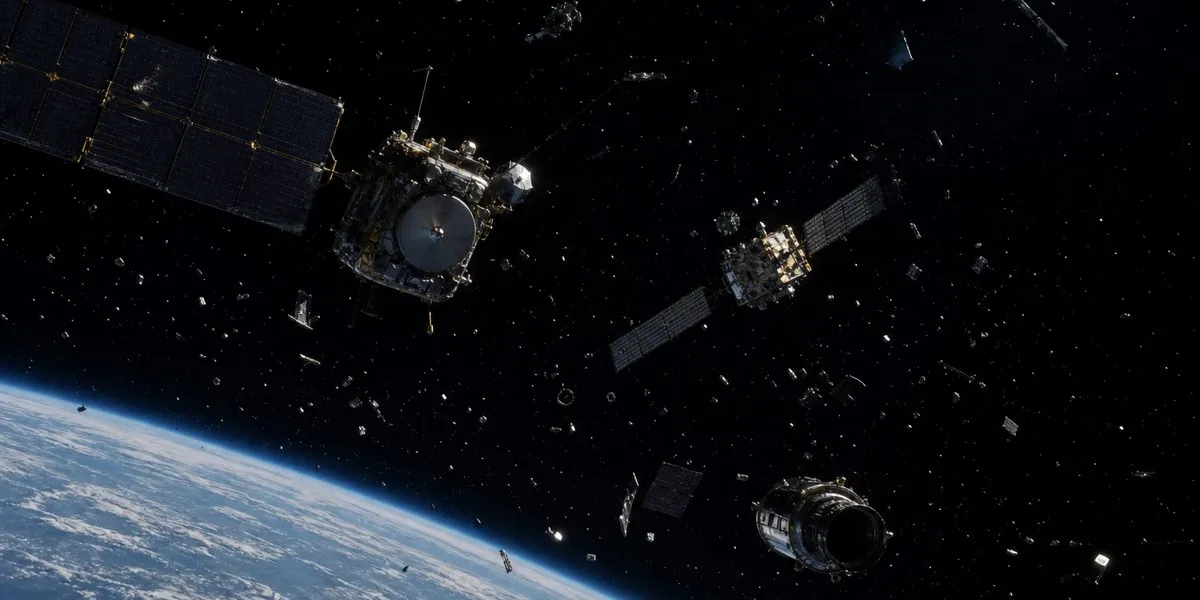
Based in Maui, the initiative aims to solve one of the most pressing challenges in the modern space domain: the ability to rapidly process and act upon information regarding the increasingly crowded near-Earth environment. As orbital congestion grows due to massive satellite constellations and the rising threat of space debris, military commanders are shifting their focus from achieving maximum precision to prioritizing speed and situational awareness.
Colonel Barry Crocker, commander of Mission Delta 2—the unit responsible for training and equipping personnel for space domain awareness—confirmed that the prototype is on track for a fall deployment. The goal is to develop a “minimum viable product” that can be integrated into operational workflows almost immediately.
“The new system should prioritize data timeliness rather than only their maximum accuracy,” Crocker explained. By incorporating faster, perhaps less detailed, observations provided by commercial partners, the Space Force aims to gain a more comprehensive picture of events, such as the emergence of debris clouds or the sudden influx of newly launched satellites.
Currently, the Space Force utilizes the Joint Commercial Operations unit to ingest data into a cloud-based repository known as the Unified Data Library. However, this information remains sequestered in a “parallel system,” disconnected from the primary operational software used by the 18th and 19th Space Defense Squadrons. This structural divide limits the speed at which commanders can react to potential threats or orbital incidents.
General Stephen Whiting, commander of U.S. Space Command, has emphasized that automating the fusion of these disparate data sources is a strategic necessity. Bridging this gap will help the military identify and track the satellites of potential adversaries more effectively while mitigating the risks posed by orbital debris.
To ensure the integrity of military operations, officials are developing a dedicated software environment that prevents the integration of commercial data from interfering with high-precision tasks, such as collision avoidance. This “firewall” approach ensures that while commercial insights provide a broader, faster operational picture, the military’s requirement for high-accuracy tracking remains uncompromised.
Mission Delta 2’s effort represents a significant cultural and technical shift for the Space Force. By embracing the agility of the private sector, the branch hopes to transition away from static data processing toward a dynamic, real-time understanding of the space domain. As the prototype moves toward operational testing later this year, it stands to become a cornerstone of the U.S. strategy to maintain security and stability in an increasingly complex orbital theater.
Disclaimer: This content is auto-generated for informational purposes only.
Source: Read Original News