








Orangutan Discovery Unmasks India’s Thriving Multi-Million Dollar Exotic Wildlife Trade
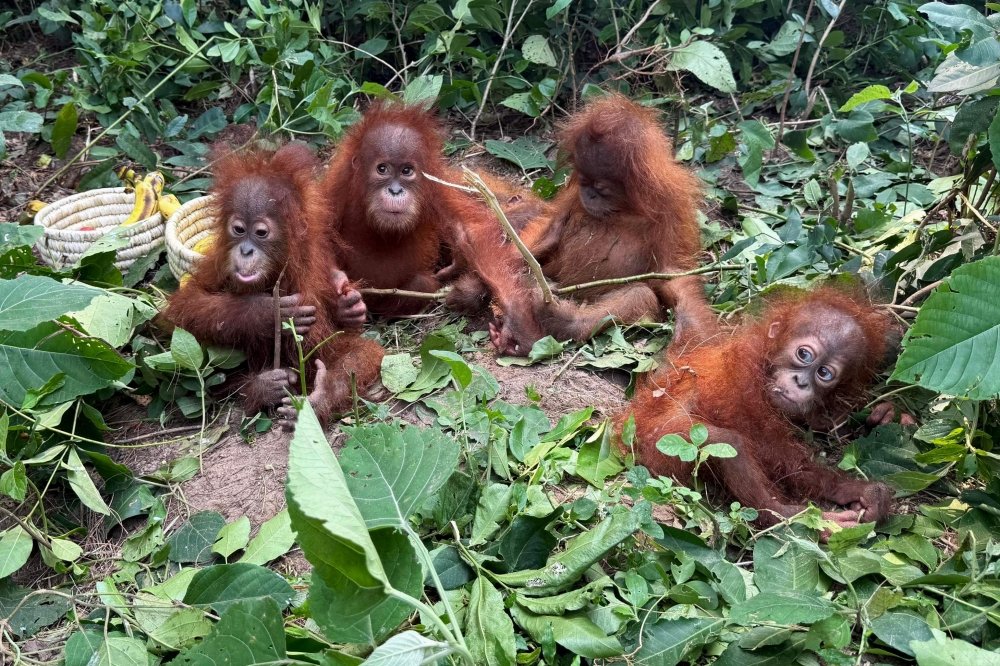
NEW DELHI — The recent rescue of five baby orangutans abandoned in the forests of Odisha’s Balasore district has sent shockwaves through the conservation community, offering a grim window into the ballooning illegal exotic wildlife trade in India. Experts are now warning that the country has become a major destination for trafficked endangered species, driven by a growing appetite among the wealthy to possess rare animals as status symbols.
Native only to the rainforests of Borneo and Sumatra, these critically endangered primates are being smuggled across thousands of kilometers—often through the volatile, porous borders of Myanmar—to serve as high-end pets for India’s elite. While the five rescued orangutans are currently under rehabilitation at a local zoo, the incident has highlighted a “frightening” reality regarding the scale of the black market.
A Lucrative Pursuit of Status
The illegal wildlife market in India is estimated to be worth approximately US$42.6 million as of 2024. Wildlife crime analysts suggest that the rise of social media has played a pivotal role in this surge. According to a senior official from India’s Wildlife Crime Control Bureau, thousands of influencers are inadvertently—or intentionally—normalizing the possession of exotic animals by showcasing them in home environments.
“Rich individuals view these animals as the ultimate accessory,” the official noted. While a government voluntary disclosure scheme saw over 40,000 exotic animals registered by 2021, experts argue this represents only a minuscule fraction of the true volume held in private residences and illicit collections across the country.
The Anatomy of a Trafficking Crisis
The logistical path these animals take is complex and often brutal. The orangutans found in Odisha arrived after traveling thousands of kilometers by sea and land. Analysts point to India’s northeast border as a primary conduit. The region’s dense, rugged, and porous terrain facilitates the movement of primates and other exotic fauna originating from Southeast Asian breeding grounds.
Shekhar Kumar Niraj, the former head of TRAFFIC India, emphasizes that the issue is compounded by the proliferation of private zoos that frequently bypass regulatory frameworks. “Primates are highly intelligent and interactive, which makes them prime targets for those wanting a living spectacle in their own homes,” Niraj stated.
The frequency of interdictions underscores the regularity of the trade. Customs officials in Mumbai and across various states have intercepted shipments ranging from endangered gibbons stuffed inside travel luggage to shipments of venomous vipers and rare lizards. In 2024 alone, another trafficked orangutan was recovered from a private apartment in Maharashtra, suggesting that such high-profile seizures are merely the tip of the iceberg.
Regulatory Challenges and Future Outlook
The rise in trafficking has sparked intense scrutiny of how some facilities manage their populations. Controversies have previously erupted regarding the intake of endangered species at major conservation centers, including Vantara in Gujarat. While the organization has recently pledged to overhaul its operations—including a moratorium on live animal imports and the appointment of international experts to their council—the broader problem remains systemic.
As investigations continue into how the five orangutans entered the country, environmental advocacy groups are calling for more stringent enforcement at border checkpoints and a crackdown on the online marketplaces that connect wealthy buyers with wildlife smugglers. For now, the plight of the five orphaned apes serves as a stark reminder that as long as exotic animals are viewed as luxury goods, the shadow trade will continue to threaten the survival of some of the world’s most vulnerable species.
Disclaimer: This content is auto-generated for informational purposes only.
Source: Read Original News