






The Evolution of Interactive Intellectual Property
The entertainment industry is witnessing a significant transformation in how digital intellectual property is adapted for global audiences. The recent announcement that the cult classic video game Lollipop Chainsaw is being developed into a live-action feature film marks a strategic shift for its parent company, Dragami Games. By leveraging a multi-platform expansion strategy, the studio is moving beyond traditional software updates to create a robust media ecosystem. This project arrives alongside a pending animated series and the continued support of the RePOP remaster, representing a concerted effort to establish a new model for cultivating Asian gaming franchises on the world stage.
Understanding the Narrative Foundation
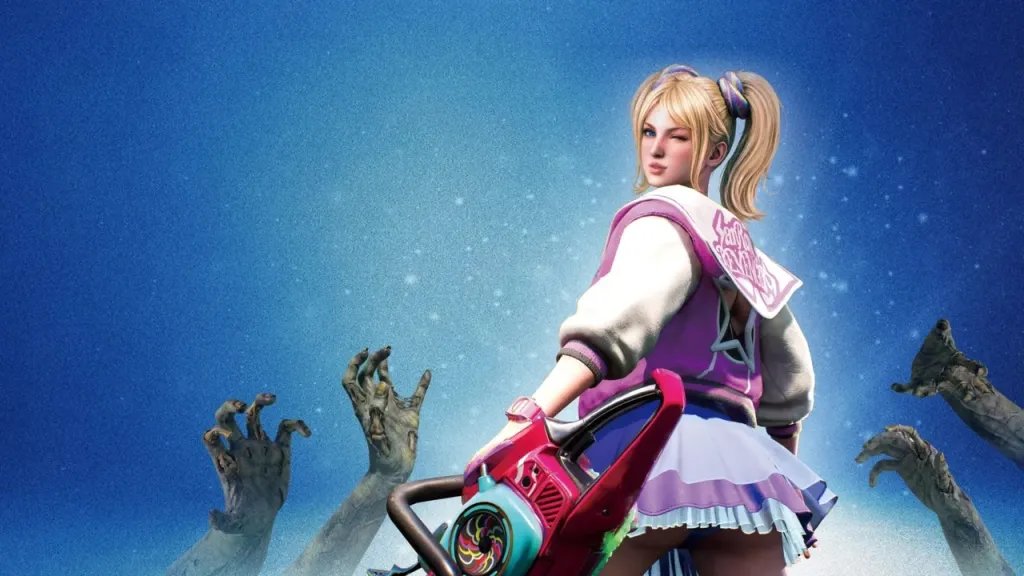
At the core of the Lollipop Chainsaw franchise is a premise that blends horror, dark comedy, and high-energy action. The upcoming feature film serves as a prequel, detailing the events leading up to the narrative arc experienced by players in the original 2012 release. Audiences will follow the protagonist, Juliet Starling, a high school cheerleader and member of a lineage of specialized zombie hunters. The story centers on a catastrophic undead outbreak at San Romero High School. The production team aims to retain the R-rated tone established by the original game, focusing on the character’s struggle to neutralize threats while managing the logistical challenge of keeping her boyfriend, Nick, in the fray despite his unique, undead-adjacent condition. This narrative structure is designed to appeal to both long-term fans who are familiar with the lore and newcomers who require no prior experience with the gaming software to understand the stakes.
Technical Production and Global Collaboration
The development of this film involves an intricate international partnership that spans several continents. Under the oversight of Dragami Games President Shohei Sato, the project combines the expertise of industry veterans from Asia, Europe, and North America. The production team includes Joe Teng of Nada Holdings, former ZDF Studios drama executive Robert Franke through his Orange Chariot studio, and contributions from Throne Inc, Ambitious Entertainment, and Non Stop TV. This diverse collaboration is intended to bridge the cultural gap between Japanese gaming design and global cinematic storytelling. By integrating diverse creative perspectives, the production aims to preserve the irreverent energy and extreme stylistic elements that made the original title a cult success, while ensuring the high production values required for a modern big-screen experience.
RePOP and the Longevity of Digital Assets
The move to produce a film is not an isolated incident but rather the latest iteration of the franchise’s life cycle. Since its debut in 2012, Lollipop Chainsaw has maintained a steady following, exceeding 1.5 million copies sold. The release of Lollipop Chainsaw RePOP, a remastered version of the original game, served as a technological catalyst for this expansion. RePOP updated the game engine, refined graphical assets, and modernized the user interface, ensuring the source material remains accessible on current-generation hardware. This continuous cycle of updating the digital software while simultaneously developing cinematic content demonstrates a sophisticated understanding of cross-media retention. By maintaining active engagement through software updates, the studio ensures that the intellectual property remains top-of-mind for potential viewers of the upcoming film.
Strategic Impact on Asian Gaming Franchises
The decision to adapt a cult title rather than a mainstream blockbuster suggests a targeted approach to franchise building. Dragami Games is positioning itself to be a leader in a new model for building internationally recognized entertainment franchises from Asia. The strategy relies on maintaining the “spirit” of the original content—its humor, its distinct visual identity, and its narrative boldness—while stripping away the technical limitations of a decade-old game engine. For the technology and media industries, this represents a shift toward treating games as foundational lore rather than static products. As streaming services and theatrical distributors look for proven concepts with established fanbases, the success of this film will likely serve as a benchmark for how gaming studios can monetize their back-catalogs through cinematic expansion.
Anticipated Audience Reception and Future Scaling
As the production progresses, the team faces the challenge of translating the exaggerated, stylized combat of the video game into a live-action format that feels authentic yet technically impressive. The filmmakers have emphasized a commitment to the specific attitude and excess that defined the original game, suggesting that the film will prioritize practical and visual effects that mirror the game’s exaggerated aesthetics. If this film achieves commercial success, it will provide a blueprint for other developers looking to transition their properties into the film and television market. The ongoing integration of animation, gaming, and live-action media creates a layered consumer experience that keeps the brand relevant across various formats. Ultimately, the project underscores the increasing fluidity between different segments of the digital entertainment industry, proving that gaming intellectual property has become a primary driver of modern cinematic content.
Disclaimer: This content is auto-generated for informational purposes only.
Source: Read Original News