







The Evolution of Brand Identity in Digital Media
In the realm of global intellectual property management, brand identity serves as the primary touchpoint between a product and its consumer base. For Nintendo, maintaining the visual integrity of its flagship mascot, Mario, is a process of iterative refinement that mirrors the technological advancements of the gaming hardware it develops. Recently, the company signaled a transition in its branding strategy following the conclusion of the Super Mario 40th anniversary celebrations. By updating the canonical Super Mario logo and introducing a series of high-fidelity 3D renders on its official character portal, Nintendo has underscored the importance of keeping legacy assets aligned with contemporary display standards.
The update to the Super Mario logo is a subtle but significant shift in graphical design. Moving away from the flatter, high-contrast aesthetic that dominated the late 2010s, the new iteration employs advanced volumetric shading, sophisticated beveling techniques, and depth-focused rendering. This shift reflects a broader industry trend toward “depth-forward” design, where logos are intended to appear as tactile, physical objects rather than flat vector illustrations. Such adjustments are technically necessary for modern high-resolution displays, such as 4K OLED panels, where fine details and depth gradients prevent the visual aliasing that often occurs with simpler, two-dimensional icons.
Technical Advancements in Asset Rendering
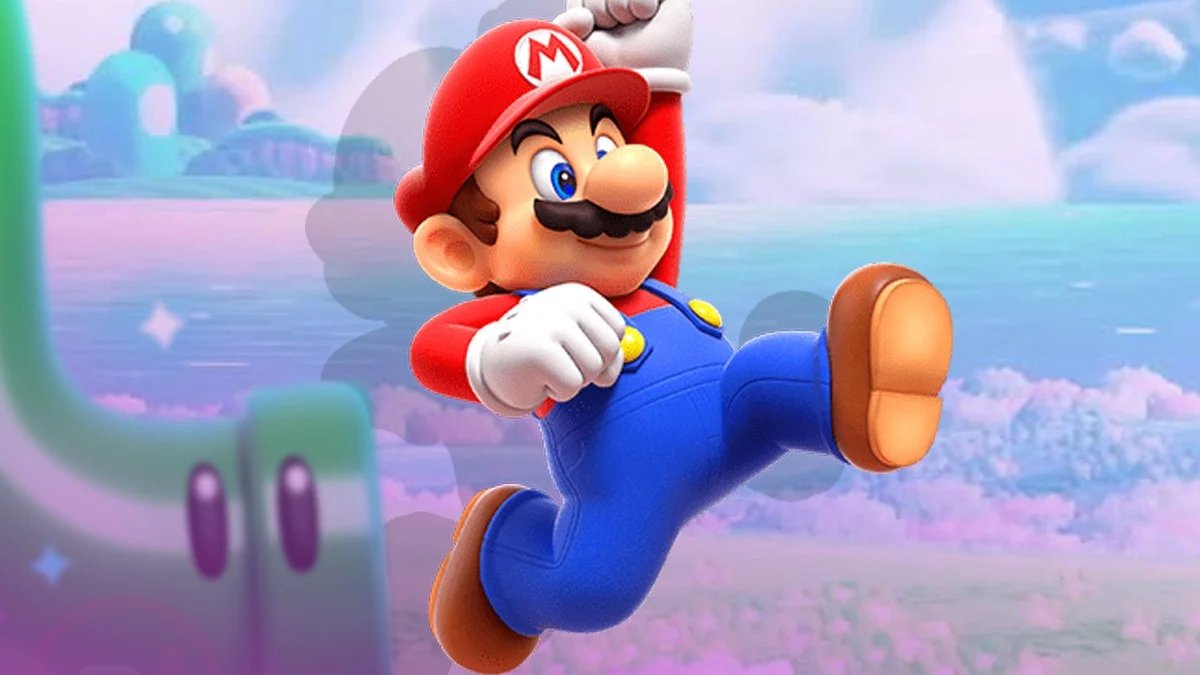
Accompanying the logo refresh is an updated suite of Mario character renders. These images showcase a level of detail that indicates a push toward greater graphical fidelity in promotional assets. Technically, these new renders demonstrate improved subsurface scattering—the way light interacts with a surface, such as skin or fabric—and more complex texture mapping on the character’s iconic overalls and cap.
By increasing the polygon count and optimizing shaders for current-generation output, Nintendo ensures that the character appears consistent across diverse digital environments, from web browsers and mobile interfaces to high-definition marketing campaigns. These assets are not merely cosmetic; they represent the master geometry and texture references that inform how the character is perceived by developers, marketers, and audiences. As gaming hardware enters more powerful iterations, the fidelity of static renders must increase to avoid a “uncanny valley” mismatch between promotional material and the increasingly photorealistic or stylized in-game visuals.
Impact on Cross-Platform Consistency
The primary utility of a unified, refreshed brand identity is the maintenance of cross-platform consistency. Nintendo operates a complex ecosystem that includes proprietary hardware, mobile applications, and extensive digital web presences. When a company updates its primary brand asset, it triggers a chain reaction across its content delivery networks. This update is being rolled out across the official Super Mario landing pages, indicating a standardized deployment model where all regional portals will eventually host these high-definition assets.
This standardization is crucial for user experience. In an era where a user might encounter the Super Mario brand on a handheld console, a television screen, and a smartphone within minutes, visual consistency creates a seamless brand experience. The transition to a standardized, high-detail look ensures that the intellectual property remains recognizable regardless of the input method or display device, effectively shielding the brand from the visual fragmentation that can occur when different teams use legacy assets with varying resolutions and color profiles.
The Role of Legacy in Modern Marketing
The 40th anniversary of the Super Mario series served as a bridge between the historical roots of the franchise and its future trajectory. The inclusion of titles like the Super Mario Galaxy series, Mario Tennis Fever, and the expansion of the Nintendo Classics GameCube library highlights a commitment to preservation through accessibility. These titles, when combined with new content releases like DLC for Super Mario Bros. Wonder, define a library that is both deep in history and forward-looking in its technical implementation.
Integrating a refreshed logo into this landscape serves as an anchoring point for the brand. It tells the consumer that while the library is expanding into the past, the brand itself is active, evolving, and prepared for the next generation of hardware. For developers and digital designers, this serves as a roadmap for future assets, establishing a clear visual standard that adheres to modern rendering capabilities while respecting the stylistic traditions that defined the franchise for four decades.
Future Outlook and Design Integration
As technology continues to advance, the design of iconic characters and logos will remain a primary focus for large-scale media companies. Nintendo’s approach demonstrates a meticulous attention to detail that balances the need for tradition with the demand for innovation. By updating the logo and render sets, the company has successfully refreshed its digital presence without alienating the established player base.
Looking forward, the integration of these high-fidelity assets will likely extend into future software titles and interactive experiences. As the hardware becomes more capable of handling complex textures and lighting environments, the brand identity established by these new renders will serve as the foundation upon which future projects are built. This ensures that even as the gaming landscape becomes more technically demanding, the face of the brand remains coherent, polished, and ready to meet the challenges of the next decade of interactive entertainment. The shift toward a 3D-oriented brand identity is not just a stylistic choice; it is a strategic alignment with the technical reality of the modern digital landscape.
Disclaimer: This content is auto-generated for informational purposes only.
Source: Read Original News