







US Extends Controversial $100,000 H-1B Visa Fee, Escalating Hiring Hurdles for Indian Tech Professionals
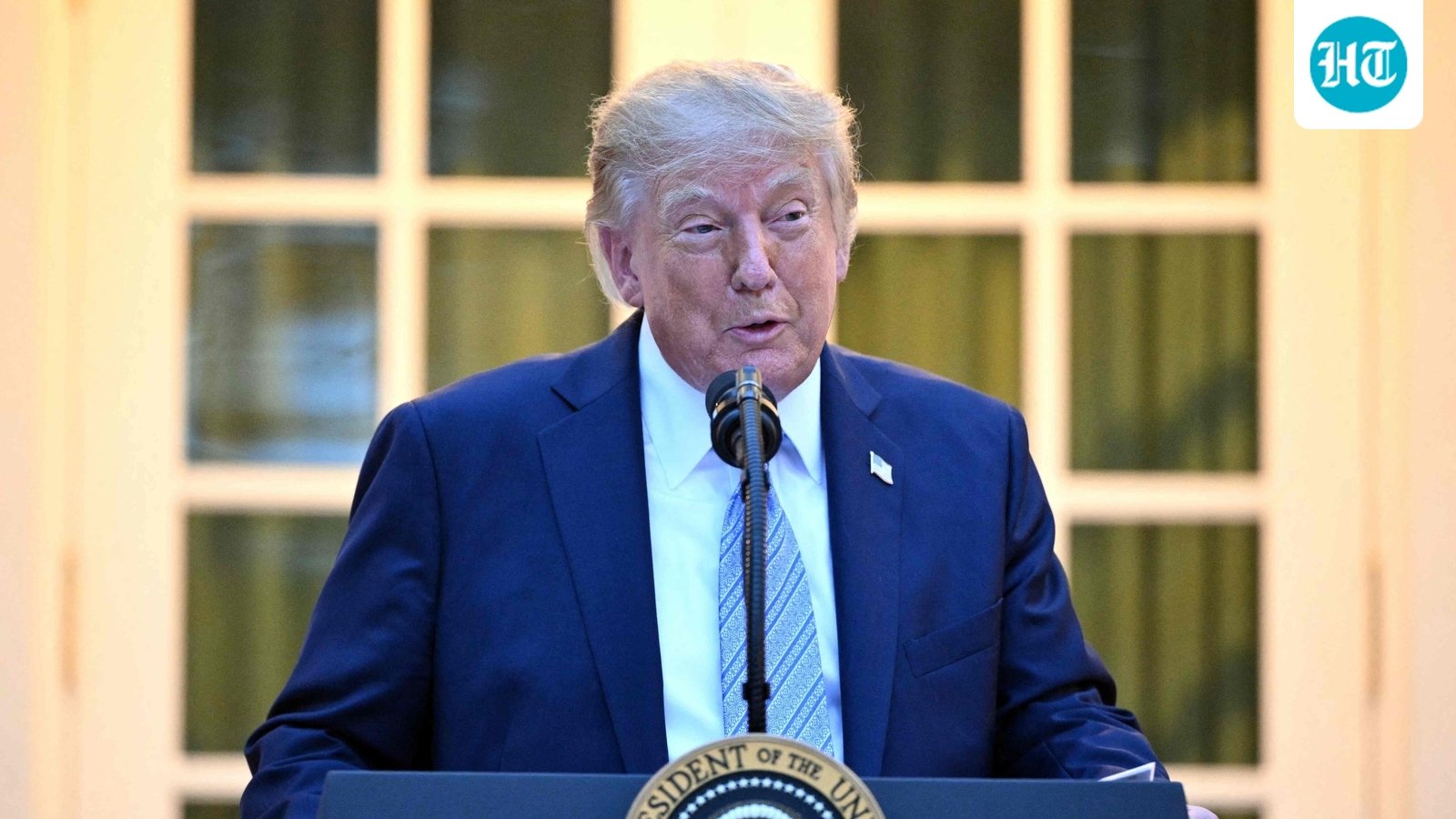
In a move that continues to cast a shadow over the international tech labor market, the Trump administration has extended its controversial executive order imposing a $100,000 payment requirement for specific new H-1B visa applicants. The extension, formalized through a presidential proclamation this past Friday, ensures the restrictive policy remains on the books until September 21, 2027.
The H-1B program, established in 1990, has long served as the primary bridge for global talent—particularly from India—to fill high-demand roles in American engineering, research, and software development. By maintaining this substantial financial barrier, the administration continues to signal a rigid approach toward foreign recruitment, despite ongoing legal challenges to the policy’s legitimacy.
The Impact on India’s Tech Ecosystem
The policy disproportionately affects the Indian workforce, which remains the backbone of the H-1B program. According to United States Citizenship and Immigration Services (USCIS) data for fiscal year 2024, Indian citizens accounted for a staggering 71 per cent of all approved H-1B petitions.
Washington defends the steep $100,000 surcharge as a necessary deterrent against the perceived abuse of the system. The administration contends that the fee discourages companies from relying on lower-paid foreign labor, allegedly forcing firms to prioritize higher-skilled and better-compensated personnel. However, critics argue that the policy is a blunt instrument that penalizes companies for seeking the best available talent, regardless of national origin.
Legal Limbo and Judicial Skepticism
The enforcement of this fee is currently caught in a complex web of litigation. A federal judge in Massachusetts ruled in June that the administration had overstepped its legal authority in mandating the payment, effectively vacating the measure. Despite the Boston-based 1st US Circuit Court of Appeals refusing to pause this ruling, the administration’s formal extension of the proclamation suggests a determination to keep the policy alive while the appeals process unfolds. A separate challenge led by the US Chamber of Commerce remains pending before the US Court of Appeals for the District of Columbia Circuit. Currently, the fee is not being collected, but the extension creates a persistent climate of regulatory uncertainty.
Strategic Shifts: The “Offshoring” Consequence
The prolonged uncertainty surrounding H-1B visas is already forcing a structural shift in how multinational corporations manage their human capital. Rather than curbing their reliance on foreign workers, many major technology firms—including Alphabet, the parent company of Google—are increasingly opting to expand their operations directly within India.
Industry analysts observe that when the path to bringing talent to the United States becomes too arduous or expensive, companies pivot toward “offshoring.” This allows firms to maintain access to a high-quality talent pool while avoiding the logistical and financial minefields of the US visa system. Consequently, observers warn that instead of “bringing jobs home,” these restrictive measures may simply accelerate the migration of tech infrastructure away from American soil.
Further Tightening of Oversight
Beyond the visa fee, the administration is tightening its grip on immigration oversight through additional measures. A newly signed executive order directs federal agencies to scrutinize the layoff history of any employer applying for H-1B workers. Agencies are now tasked with cross-referencing applications with data on whether a firm has recently terminated similarly situated US staff. By integrating deeper data coordination across federal departments, the administration aims to ensure that foreign hiring does not come at the direct expense of the domestic workforce, further complicating the hiring landscape for international tech giants.
Disclaimer: This content is auto-generated for informational purposes only.
Source: Read Original News